Complete Guide to Growing Marijuana Indoors (Updated 2026)
Welcome to this new chapter of Annibale Seedshop’s blog, a complete guide to growing cannabis indoors!
After examining the differences between pots vs. ground in outdoor grows and how to grow cannabis guerrilla, today we’re delving into the world of indoor growing, one of the most popular techniques among both amateur and professional growers.
Growing cannabis indoors means being able to completely control the growing environment, replicating ideal conditions year-round and regardless of the outside climate. This allows for consistent, high-quality harvests, often with increased production of trichomes and aromatic compounds.
After being cited in the most important manual of all time, the famous “Cannabis Growers Bible“, in this complete guide to growing marijuana indoors, we’ll explore in detail all the fundamental aspects every weed grower should know: from choosing cannabis seeds to managing the environment, from cultivation techniques to strategies for improving final yields.

Introduction to Indoor Marijuana Cultivation
Indoor cannabis cultivation involves growing marijuana plants in a controlled environment—often indoors, such as a grow room or tent—using artificial lighting and ventilation systems designed to replicate as closely as possible the ideal natural conditions for growing the chosen strains.
One of the main advantages of growing cannabis indoors is the complete control over environmental parameters (which is not possible with outdoor cultivation). Indeed, the indoor grower can precisely manage:
- light intensity and spectrum
- temperature
- humidity
- ventilation
- CO₂ levels
- plant nutrition
This control makes indoor cultivation extremely attractive for those who want to maximize the quality, yield, and genetic stability of their plants.
In this guide, we’ll explore in detail:
- The ideal environmental parameters for growing cannabis indoors
- The differences between potted, hydroponic, and aeroponic cultivation
- The different lighting technologies used in indoor cultivation (CFL, neon, LED, MH, HPS, CMH)
- The most commonly used substrates by growers
- The differences between organic and mineral fertilizers
- The importance of ventilation and air management
- The role of CO₂ in photosynthesis
- How to increase trichome production and improve flower quality
- How to choose high-quality cannabis seeds (see the 25 best cannabis seeds of 2026)
Finally, we’ll also look at some tricks and strategies used by expert cannabis growers to achieve larger, higher-quality harvests, and we’ll delve into the various differences between indoor and outdoor cultivation.

What Is Indoor Cannabis Cultivation and What You Need to Know
Indoor cannabis cultivation has become increasingly popular among weed enthusiasts over the past forty years.
In fact, the ability to create a perfectly controlled environment allows for much more consistent results, reducing the impact of outdoor growing variables such as climate, pests, or unpredictable weather conditions.
To achieve successful indoor cultivation, however, it is necessary to understand some fundamental elements that directly influence the growth and development of cannabis plants.
Among the most important, basic, yet decisive factors are:
- Plant lighting
- Grow space ventilation
- Environmental and leaf temperature (VPD)
- External humidity and airflow
- Nutrition from fertilizers
- Growing soil
- Growing techniques used
- Hydroponics vs. pots
Each of these elements contributes to better recreating, or, if used poorly and not understood, destroying, the optimal environment for cannabis plant development.
Growbox: The Ideal Environment for Growing Cannabis Indoors
Many commercial indoor growers use a grow room, where they can cultivate many plants in large spaces. All other growers use growboxes, also known internationally as grow tents, to create a more confined and extremely controlled environment.
Growboxes are structures lined internally with reflective materials that allow you to:
- optimize light distribution and reflect it effectively without waste
- contain odors from growing weed
- better manage ventilation, extraction, and temperatures (VPD)
The most common sizes on the market are:
- 60×60 cm (2×2 plants: max. 4 plants)
- 80×80 cm (3×3 plants: max. 9 plants)
- 100×100 cm (4×4 plants: max. 16 plants)
- 120×120 cm (5×5 plants: max. 25 plants)
The choice will therefore depend on the space available and the number of plants you wish to grow.
How Many Ganja Plants to Grow in an Indoor Grow Tent: Differences in Space and Growth
One of the most common mistakes made by novice growers is packing too many plants into the same space, or not taking advantage of all the available light.
The ideal growing density depends on:
- the size of the grow tent
- the strain’s genetics
- the growing technique
A correct, stable, and uniform growing density will allow for:
- better air circulation
- greater light penetration onto the leaves, including undergrowth
- lower risk of mold development.

Useful Tools for Monitoring Indoor Marijuana Cultivation
To achieve optimal results in indoor cultivation, many growers use some classic monitoring tools. Among the most common, and available for sale on this site, are:
- digital thermometer
- hygrometer
- pH meter
- EC meter
- light timer
- trichome microscope
These tools allow you to monitor environmental parameters and improve crop management.
The Importance of Light in Indoor Cultivation
Light is undoubtedly the most important factor in indoor cannabis cultivation. Marijuana plants, like other common plants, use light energy to carry out photosynthesis, the biological process through which they produce energy for growth and development.
Since direct sunlight isn’t available indoors, or as much as is needed to grow a decent weed plant, it’s necessary to use artificial lighting systems specifically designed for indoor cultivation.
Traditionally, many growers used HPS (High Pressure Sodium) lamps for the flowering phase, thanks to their ability to emit light in the red-orange spectrum, ideal for stimulating flower production. They’re inexpensive and produce high yields. But the biggest cost comes in the form of a bill, a few months later…
However, despite the higher cost, LED grow lights have become increasingly popular in recent years thanks to several advantages:
- Greater energy efficiency
- Lower heat production
- Adjustable light spectrum
- Much longer lifespan than traditional lamps
This has led many growers to prefer LEDs for the entire growing cycle, with millions of cycles confirming the effectiveness of this type of light for growing cannabis indoors.
Photoperiod in Indoor Growing
One of the most important aspects of indoor cannabis growing is managing the photoperiod, or the ratio of hours of light to hours of darkness.
Photoperiod cannabis (regular and feminized strains, not autoflowering ruderalis strains) uses the light/dark cycle to determine when to start flowering.
These cycles are generally used:
- Vegetative phase: 18 hours of light (even 20 or even 22 hours, if the plants show no signs of stress) / 6-4 hours of darkness
- Flowering phase: 12 hours of light / 12 hours of darkness
To properly manage these cycles, an automatic timer is used, which turns the lights on and off at the same time every day.
Photoperiod stability is crucial: sudden variations can stress the plant and cause problems such as hermaphroditism.
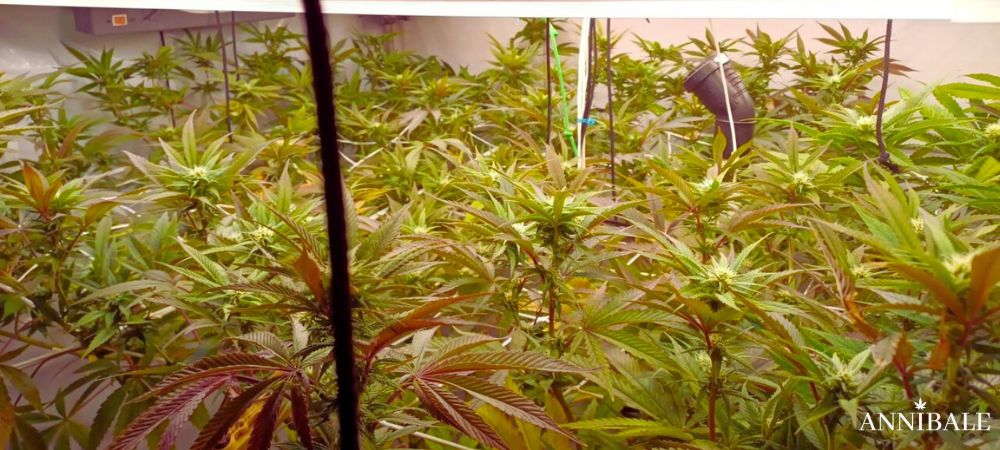
Indoor Lighting: 5 Recommended Common Lamp Types
There are various lighting technologies used in indoor growing. In any case, we’re talking about indoor grow lights.
CFL
Compact fluorescent lamps are economical and efficient but have limited light output. They’re often used by novices and beginners as their first grow lights.
We recommend using them for the germination and vegetative phases of marijuana plants, and only if you have very little space and only a few plants (1 or 2 in a maximum 60 x 60 cm space), continuing to use them throughout the flowering phase week by week.
Neon
Similar to CFLs, they produce a soft light and little heat. They’re suitable for young plants or clones. We also recommend using them no later than the germination and early vegetative phases.
LED
LED lamps represent the most advanced technology for indoor growing today. They offer high energy efficiency and a very complete light spectrum, but come at a higher initial cost, resulting in energy savings that have convinced almost all growers to switch to this type of indoor light in recent years!
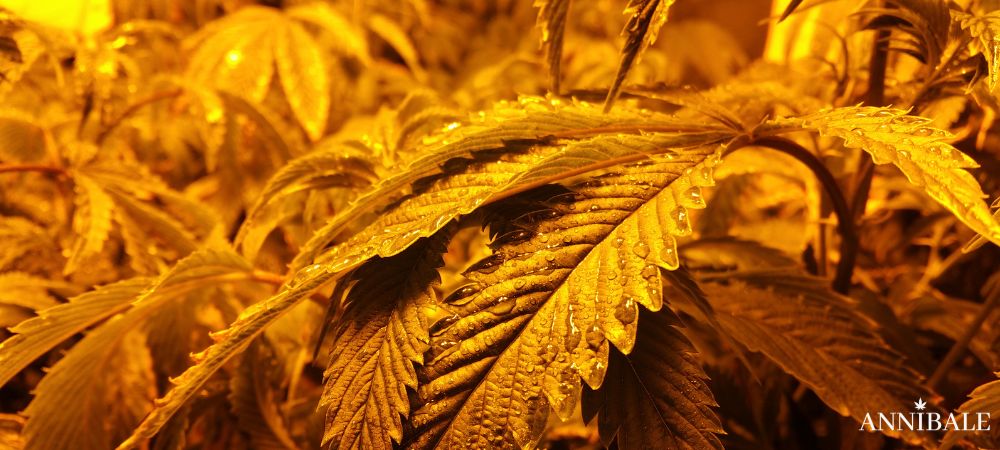
MH and HPS
Metal Halide lamps are ideal for the vegetative stage thanks to their blue spectrum, which attempts to emulate the color spectrum of the sun in the early warm months. On the other hand, High Pressure Sodium lamps are used for flowering, as they have a red spectrum (see photo below), similar to the color of late summer sunlight.
Personally, I can tell you that we often use MH lamps during flowering as well, tending to yield less, but providing compactness and aromatic quality with greater trichome development (due to the greater amount of UVB rays present in MH lamps compared to HPS lamps).
CMH
The new and modern Ceramic Metal Halide lamps offer a more natural light spectrum and greater efficiency than traditional MH lamps. Often used by commercial growers and industry professionals, on large, large-scale crops.
Ventilation and Air Exchange
Another essential element in indoor growing is internal ventilation in the grow space. Cannabis plants require continuous air exchange to maintain a healthy and stable environment, thus preventing the formation of pathogens.
An effective indoor ventilation system helps:
- prevent heat buildup (so-called heat pockets) within the grow space
- control humidity and maintain it at appropriate levels
- prevent mold growth
- provide plants with a constant supply of CO₂
In fact, the most common indoor ventilation systems include:
- extractors
- oscillating fans
- active carbon filters
- ventilation ducts
Activated carbon filters are particularly useful because they help eliminate odors produced by plants during the early flowering stage, when the weed begins to smell.

Temperature and Humidity Control
Cannabis grows best in specific environmental conditions. Careful management of temperature and humidity in indoor grows is therefore essential for healthy, productive plants.
Temperature and Humidity in the Various Stages of Cannabis Growth
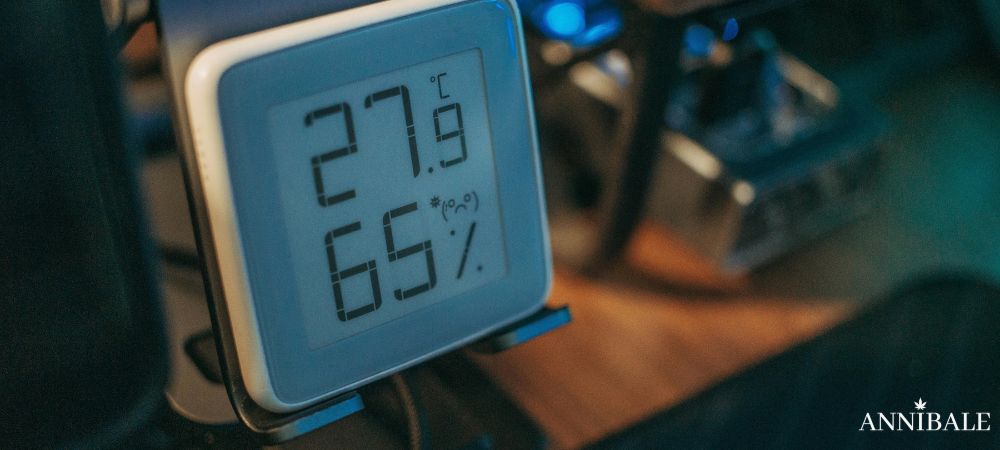
In general, ideal indoor conditions are:
- Daytime Temperature: 20–28°C
- Nighttime Temperature: 18–24°C
Regarding humidity, you should aim for:
- Germination Stage: 70–90%
- Vegetative Stage: 50–70%
- Flowering Stage: 35–45%
Too high a humidity level can encourage the growth of mold and pathogens, while too low a humidity level can stress plants and slow their growth (one of the most common mistakes made by novice indoor cannabis growers).
To monitor these parameters, growers use tools such as:
- digital thermohygrometers
- environmental controllers
- latest-generation dehumidifier
- humidifiers
Vapor Pressure Deficit (VPD)
Vapor Pressure Deficit (VPD) is an increasingly used parameter in modern indoor growing.
VPD represents the relationship between temperature and humidity and indicates how easily a plant can transpire water through its leaves. A correct VPD allows plants to absorb nutrients more efficiently and grow faster.
Properly managing VPD means maintaining a balance between temperature and humidity to ensure ideal conditions for plants during every phase of the growth cycle.
Indoor Growing Techniques
There are various techniques for growing cannabis indoors. The most common are:
- Pot cultivation (the simplest!)
- Hydroponic cultivation (dear, sweet hydroponics!)
- Aeroponic cultivation (new advances in modern indoor growing)
Pot cultivation
This is the simplest and most common technique. Weed plants grow in containers filled with a substrate, such as soil or coco fiber. This method is ideal for novice growers because it requires less equipment and is easier to manage.
Hydroponic cultivation
It’s absurd but true: in hydroponic cultivation vs. pot cultivation, plants grow without soil. In fact, with this indoor growing technique, nutrients are supplied directly to the roots of the cannabis plants through a nutrient solution dissolved in water.
This system allows for very precise control of plant nutrition and often leads to faster growth in the vegetative stage, with abundant bud production in the final flowering stage.
Aeroponic Growing
Aeroponics is an advanced 2.0 variant of hydroponics. With aeroponics, the roots of marijuana plants are suspended in the air and sprayed with a nutrient solution.
This system uses constant misting of the roots to keep them fresh, alive, and sufficiently moist. It can offer extremely rapid growth, but also requires much more complex and professional technical management.
Ideal Substrates for Indoor Cannabis Cultivation
The choice of substrate directly affects root health and the availability of nutrients the plant can absorb.
The main ideal and most recommended substrates for indoor cannabis cultivation are:
- Soil (a mix with little nitrogen fertilizer—typical for orchids)
- Coco coir (our recommendation, as it’s inert and therefore very similar to hydroponic cultivation)
- Perlite (white granules that retain water and moisture in the soil, often found in soil mixes with coco coir)
- Vermiculite (similar to perlite, also found in various prestigious mixes)
- Rockwool (only suitable for germinating seeds or cloning plants)
- Expanded clay pellets (more suitable for pure hydroponic cultivation)
Soil is the easiest to use, while inert substrates like coco coir, expanded clay, or perlite are more common in hydroponic or semi-hydroponic systems.
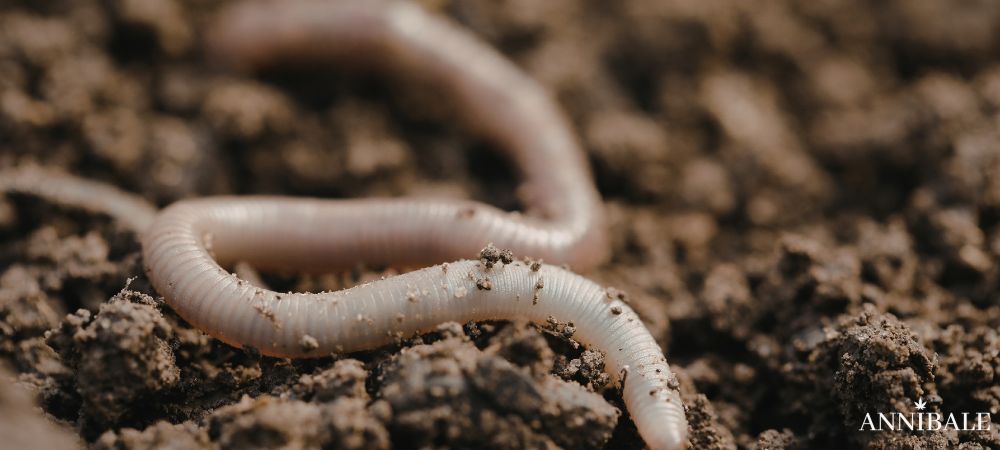
Adding Mycorrhizae and Trichoderma to the indoor growing medium can bring several benefits (mycorrhizal symbiosis)!
Growing Indoors: The Stages of Cannabis Growth
During the cannabis life cycle, the plant goes through various developmental stages, each with specific environmental requirements.
Understanding these stages is essential for successful indoor growing.
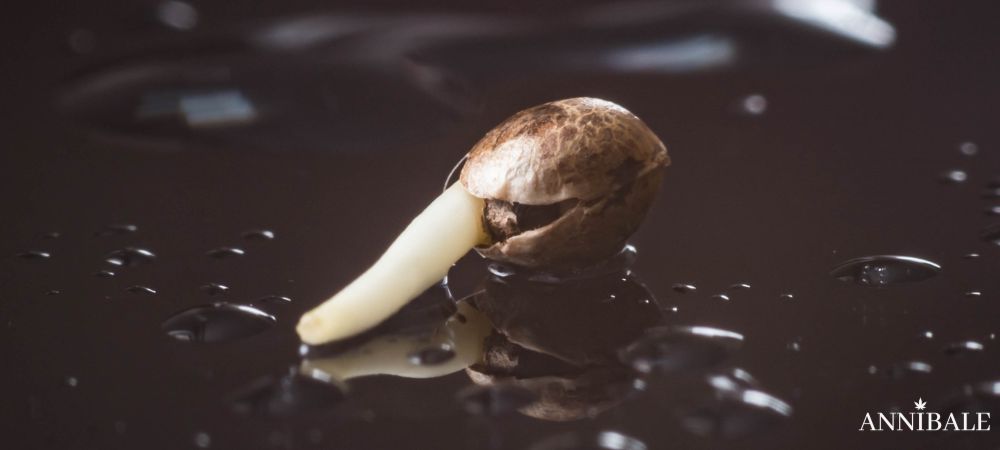
Germination Stage
- Average duration: 1-5 days
- During this stage, the seed opens and develops its first root.
Germination of Cannabis Seeds
Before even discussing vegetative growth or flowering, every indoor grow begins with a fundamental stage: the germination of cannabis seeds.
Germination is the biological process through which the seed activates and produces its first root (radicle), giving rise to the future plant.
To achieve a good germination rate, it is important to ensure certain fundamental conditions:
- Stable temperature between 21°C and 26°C
- High humidity (90-95%)
- No direct sunlight
- Clean, pathogen-free environment
There are various methods used by growers on how to germinate cannabis seeds. Let’s analyze them together!
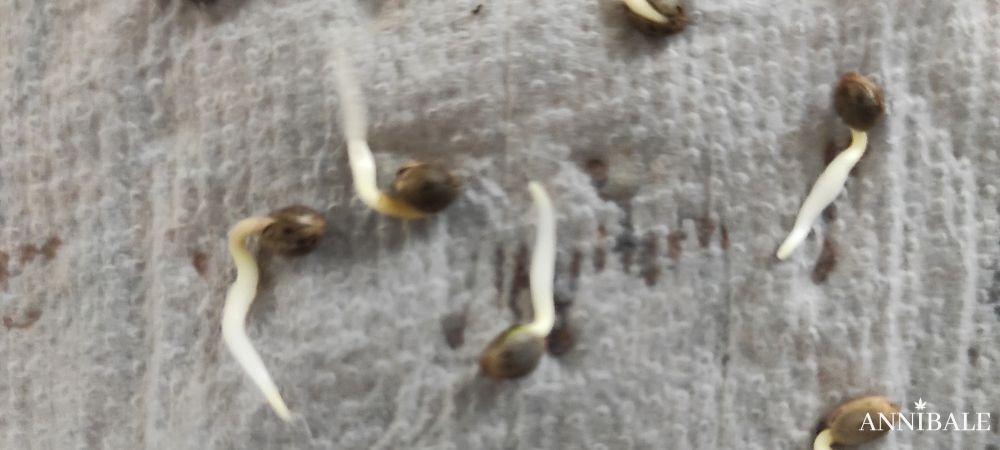
Blotted paper method (recommended)
This is one of the most common methods.
The procedure involves:
- Write the name of the strain first and then moisten two sheets of blotting paper (strictly without ink).
- Place the hemp seeds between the two sheets.
- Place everything in a closed container, wrapped in cellophane or between two plates.
- Keep everything in a warm, humid, and dark environment.
After 24-72 hours, the seed will begin to open, revealing its primordial radicle.
Germinating Marijuana Seeds Directly in the Soil
Another method involves planting the seed directly in soil or coco coir.
The seed is planted about 1 cm deep, keeping the soil constantly and slightly moist.
This method reduces transplant stress but requires greater attention to humidity, and often causes the seed to suffer unforgiving stress, ultimately ruining the crop.
Germinating Cannabis with Jiffys or Peat Discs
Many marijuana growers use Jiffys, small compressed peat discs that expand upon contact with water. This system offers:
- excellent drainage
- rapid rooting
- easy transplanting
Once the weed seed has germinated, the seedling will enter the next stage: seedling.
Seedling Stage
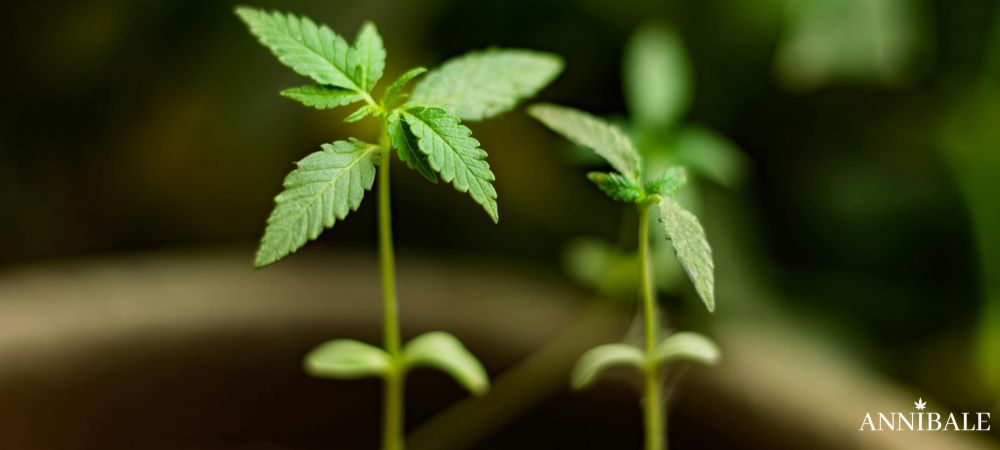
Average duration: 10-14 days
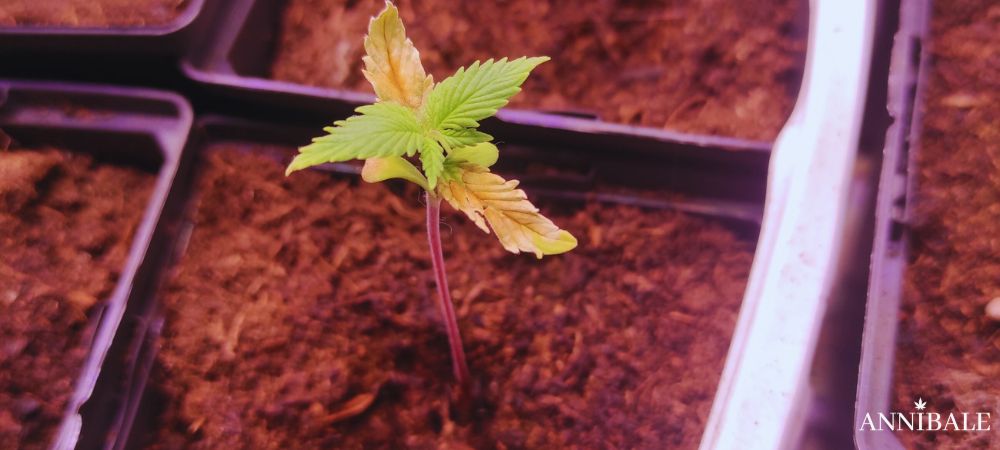
The plant develops its first true leaves and begins to develop its first root system. At this stage, it is very fragile and slender, and all its energy will be devoted to root development.
When and how to transplant seedlings (seedling)
Before and during the vegetative stage, it is often necessary to transplant cannabis plants into larger pots. Transplanting allows the roots to expand and promotes more vigorous growth.
The following progression is generally followed:
- Initial germination pot → 0.5-1 L
- Intermediate pot for the very early vegetative stage → 3-5 L
- Final flowering pot → 10-100 L
Transplanting or transplanting should be done when the roots begin to completely fill the pot.
Vegetative Stage
Variable duration, depending on the cannabis strain chosen: 3-8 weeks
During the vegetative stage, the plant grows rapidly, producing:
- new branches and leaves
- modifying and strengthening its vegetative structure
Remember: in indoor grows, the vegetative stage is maintained with a light cycle of 18 or 20 hours of light and 6 or 4 hours of darkness.
Flowering Stage
Flowering is activated by changing the photoperiod to 12 hours of light and 12 hours of darkness. Only feminized and regular plants respond to this photoperiod, while autoflowering ruderalis strains can be maintained on an 18 or 20-hour light cycle from seed to harvest.
Indoor Light Cycle Considerations
13 hours of light would lead to greater production and slower flower development; Conversely, fewer hours of light would have the opposite effect, resulting in faster growth but a less substantial final harvest.
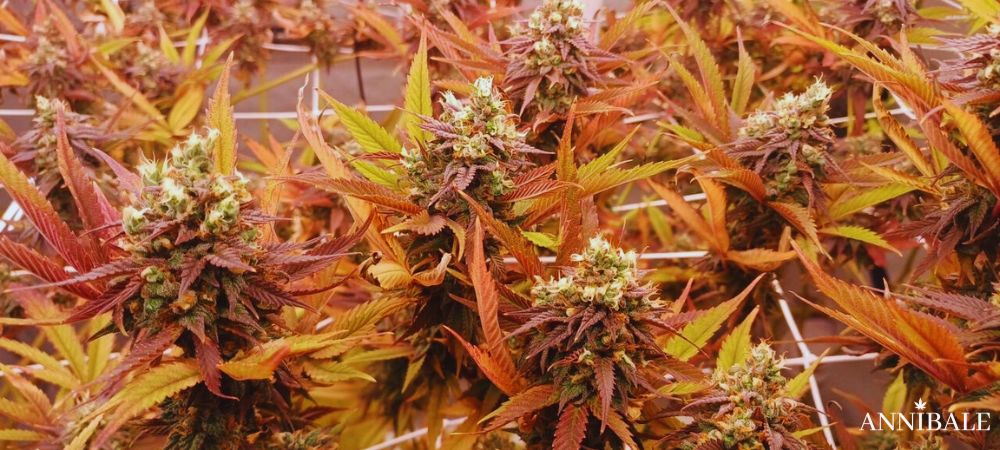
During this phase, the plant focuses its energy on producing flowers rich in cannabinoids and terpenes.
Organic vs. Mineral Fertilizers
Fertilizers provide marijuana plants with the nutrients they need to grow and produce quality flowers.
There are generally only two types of fertilizers (+ an extra third) used to nourish cannabis plants:
- Organic fertilizers like Bio Grow are derived from natural sources and promote soil microbial life. They are often used by growers who prefer a more natural and gradual approach, avoiding over-fertilization since they are indirect nutrients.
- Mineral fertilizers like PK Booster are synthetic formulations that allow for very precise control of the nutrients available to plants, directly feeding the roots and not the soil, as is the case with organic fertilizers.
- Super Soil, which nourishes the soil and allows for biological exchange between bacteria, mold, and the marijuana plant.
Both approaches can produce excellent results if used correctly.
Nutrient Deficiencies in Cannabis
Nutrient deficiencies can occur during cultivation, manifesting themselves through visible symptoms on the leaves.
Among the most common in online searches on forums like icmag or thcfarmer are:
- Nitrogen deficiency (yellow leaves, the most common and inevitable)
- Calcium deficiency
- Magnesium deficiency
- Potassium deficiency
Recognizing these signs early allows for rapid intervention and prevention of crop damage.
The Role of CO2 in Indoor Grow
CO₂ is essential for photosynthesis. In highly controlled and effective indoor environments, increasing CO₂ concentrations can improve plant growth and increase final yields.
Many growers use:
- CO₂ tanks
- CO₂ generators
to maintain optimal levels within the grow room. Do not grow in imperfect indoor environments, as the plants will not benefit from it.

Disease and Pest Management in Indoor Growing
Even indoors, plants can be attacked by cannabis pests or pathogens.
The most common include:
- Mites such as red spider mites
- Aphids
- Whiteflies
- Gray mold (Botrytis)
- Powdery mildew
A clean, well-ventilated environment is the first line of defense against these problems, which remain among the main causes of failure in indoor cannabis cultivation.
How to Grow Cannabis Indoors: Disease Prevention Is Better Than Cure
Prevention is one of the most important aspects of indoor growing. Some good practices, such as using neem oil, include:
- Using quality cannabis seeds: choosing the right strain will do 50% of the work!
- Keeping tools clean: Many cannabis plant infections are transmitted from grower to plant, even just by pruning with nails!
- Regularly check the health of your plants: at the slightest sign of a problem, questioning the possible causes helps in 90% of cases!
- Properly manage humidity and ventilation: don’t rely on gut feeling; instead, use dedicated tools and avoid unpleasant surprises at the end!

Marijuana Trichomes: What They Are and How to Increase Their Production
Trichhomes are tiny glandular structures found on cannabis flowers. They produce the famous and vital cannabinoids (such as HHC, CBD, CBG, or CBN) and terpenes (spoiler: THC is a cannabinoid!).
Abundant trichome production is generally associated with:
- Higher potency of the active ingredient
- More intense, complex, and persistent aroma
- Better overall flower quality
- Better bag appeal
- Higher resin and hash extraction (such as Drysift, Iceolator, Fresh Frozen, Rosin and Live Rosin)
To obtain successful, high-quality extracts and hashish, it’s important to stimulate trichome production. Therefore, it’s important to have the strongest strains cannabis seeds, and provide your plants with:
- Intense and adequate lighting
- Correct nutrients without overfeeding or deficiencies
- Stable environmental conditions

Selecting Cannabis Seeds for Indoor Growing
Choosing the best indoor marijuana seeds is one of the most important aspects of successful indoor growing.
When choosing cannabis seeds, you should consider:
- Strain genetics (general characteristics, such as regular vs. feminized vs. autoflowering seeds)
- Flowering time (7-8 weeks or 14-16? Indica vs. Sativa?)
- Plant structure (tall or short – pine-like growth typical of the best Sativa strains or classic bushy growth of the best Indica strains?)
- Potency and flavor profile (killer, pungent weed or something mild and low-key?)
Importance of Seed Quality in Indoor Growing
This is one of the most important aspects of indoor growing. In fact, for example, the best high-quality Californian cannabis seeds, such as those from the best modern seed banks, like Barney’s Farm, Bodhi Seeds, Perfect Tree, Sweet Seeds and Annibale Genetics guarantee:
- Higher germination rates and viability
- More vigorous and faster plants
- Greater genetic stability
- Yield and ability to defend themselves from pathogens
This translates into more predictable results and more satisfying harvests for everyone. The best modern dessert cannabis genetics offer greater expectations for more experienced growers!
Differences between Autoflowering and Photoperiod Seeds
In the world of indoor cannabis cultivation, there are two broad genetic categories of weed plants:
Photoperiod strains
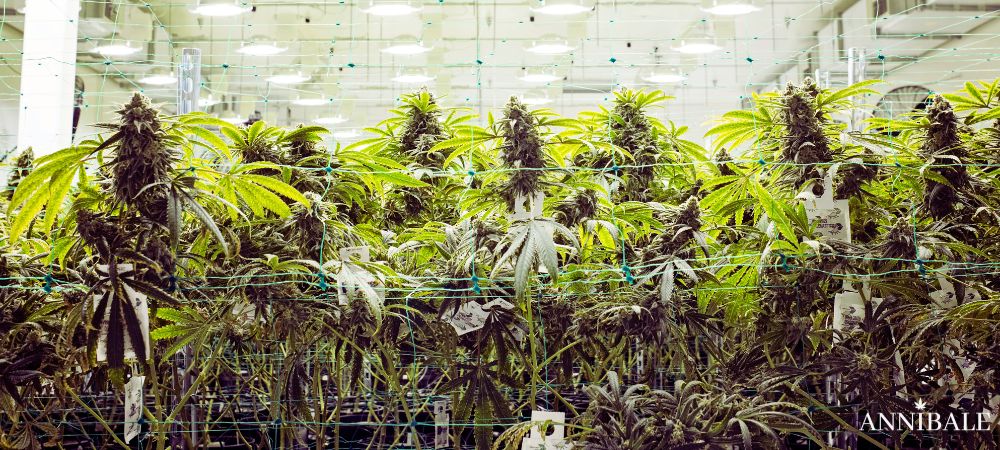
These plants (regular and feminized) begin flowering only when the light cycle is reduced to 12 hours. They are the most popular strains and allow for greater control over growth.
Autoflowering strains
Autoflowering strains derive from Cannabis Ruderalis genetics and begin flowering automatically after a few weeks. The main advantages of Ruderalis are:
- Faster growth cycle (a few weeks from seed to harvest, often around 70 days in total)
- Easier cultivation (in our opinion, they’re not suitable for beginners)
- More compact size (often dwarf plants)
For this reason, many novice indoor growers choose autoflowering strains. However, we believe they’re wrong. These are faster plants that don’t rely on photoperiodic response. Any mistakes made in the early stages would result in a lanky plant with few flowers: practically useless and simply expensive.
Differences between Indica and Sativa strains
Cannabis strains are often classified into three broad categories:
- Indica: more narcotic and native to India and the Middle East like Nepal, they tend to be more compact and have shorter flowering times, characteristics that make them very suitable for indoor cultivation;
- Sativa: more psychoactive and native to tropical countries like Panama and Jamaica, they grow taller and require longer flowering times;
- Hybrid: Many indoor growers prefer to grow hybrid strains indoors, which combine productivity with easier grow tent space management.
As you may have noticed, Indica and Sativa in their purest form belong to the Landrace seeds family. there are significant differences in the effects of indica and sativa marijuana strains!
How long does it take to grow cannabis indoors?
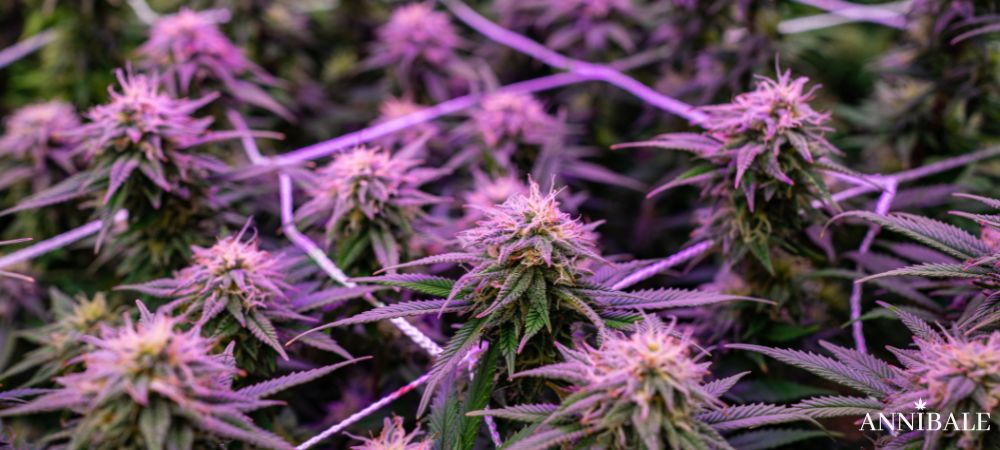
The time required to grow cannabis indoors depends on the genetics used and the cultivation method chosen. In general, the complete cultivation cycle can vary between 3 and 6 months.
- Autoflowering strains have a faster growth cycle and can complete growth in about 8-10 weeks from germination.
- Photoperiod strains, on the other hand, allow for greater control over vegetative growth but require longer periods.
How to Grow Indoors: Cultivation Techniques for Marijuana Plants
Many growers use cultivation techniques to improve the morphological structure of plants indoors and increase final yield.
Besides the fimming technique, the most commonly used techniques include:
- topping (pruning the tops of the buds, recommended if you want to encourage the development of lower buds by modifying the plant’s hormones)
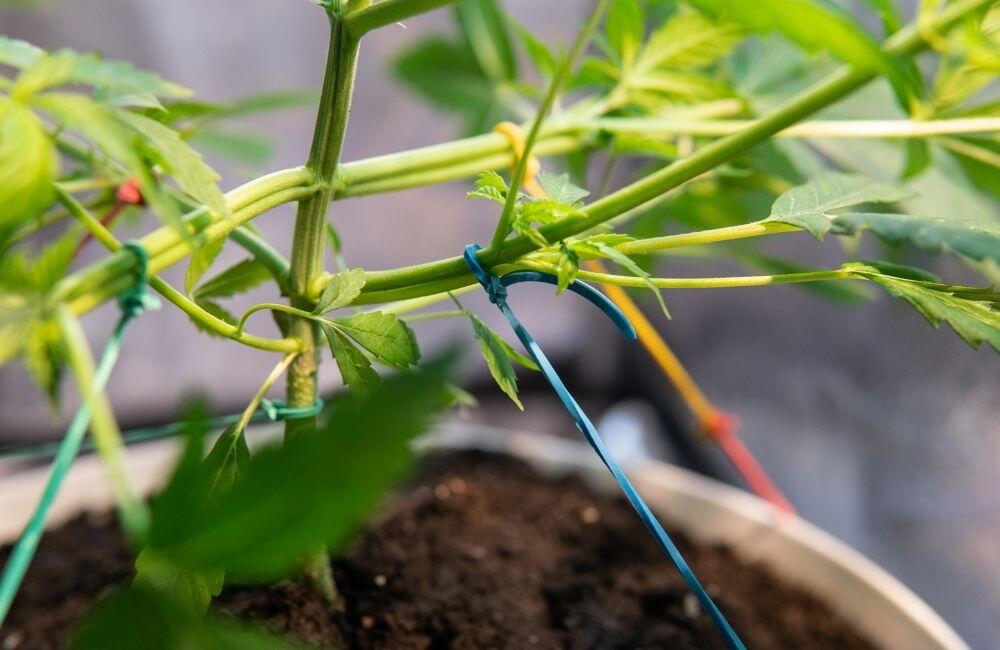
- low-stress training (LST, which involves bending the plants and providing more light to lower areas: an effect similar to pruning, but without eliminating parts of the plant)
- SCROG (Screen of Green: a scrog net will be needed to even out the few plants in the large growing space, ensuring a long vegetative phase)
- selective defoliation and lollipop (reducing small buds known as popcorn and focusing the plant’s light and energy on the apical, juicier buds)
- mainlining and mainfold (skilfully cutting and manipulating the cannabis plant to obtain the maximum final yield)
- SOG (Sea of Green: the opposite of scrog, it involves intensive cultivation with many plants in a small space, and a very short vegetative phase)
These techniques Indoor cultivation by experts helps to better distribute light across the entire leaf surface of the plant, and stimulates the production of more flowering sites.
Harvesting, Drying, and Maturing Indoor Cannabis
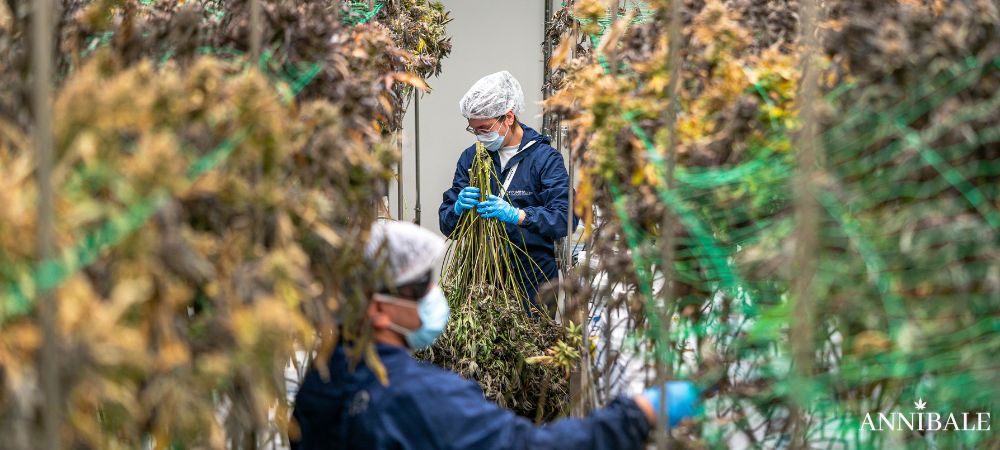
The final quality of the harvest also depends on how the post-flowering stages are managed, such as the precise timing of cutting mature cannabis plants and the proper weed drying of marijuana buds.
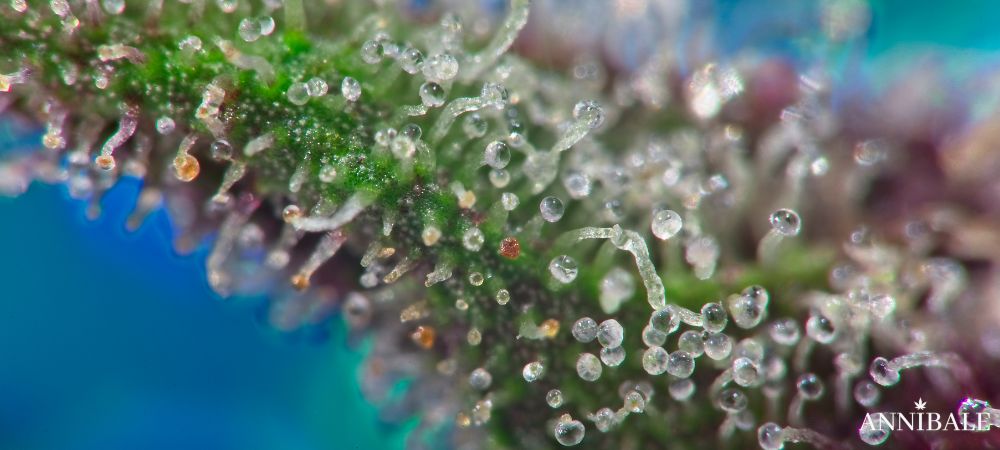
Harvesting should occur when the trichomes reach the desired level of ripeness. This timing can vary depending on the grower’s taste, with trichomes becoming more amber, milky, or still opaque. This directly affects the final quality of the herb (more psychoactive or more relaxing).
When to Harvest Cannabis
As mentioned above, harvest time directly affects:
- Potency of the flowers (and, consequently, also of extracts like Rosin and Iceolator, and hashish like Drysift and Fresh Frozen)
- Aroma and terpene profile (flavor, smoke density, and mouthfeel)
- Effects (more or less psychoactive or relaxing)
Many growers observe the trichomes with a magnifying glass or microscope.
Trichomes change color as the plant matures in its flowering phase. In fact, if:
- trichomes are still clear → the plant is still immature enough to be cut
- trichomes are already white and milky → a peak in THC and cannabinoids
trichomes are amber → a more relaxing effect, suitable for the evening
Next, the marijuana flowers must be:
- dried slowly and in a clean, controlled environment for the right drying times
- stored in jars for the curing process
Drying and Curing Cannabis
Drying generally takes place in an environment with:
- ideal temperature between 18-22°C
- ideal humidity between 52-62%
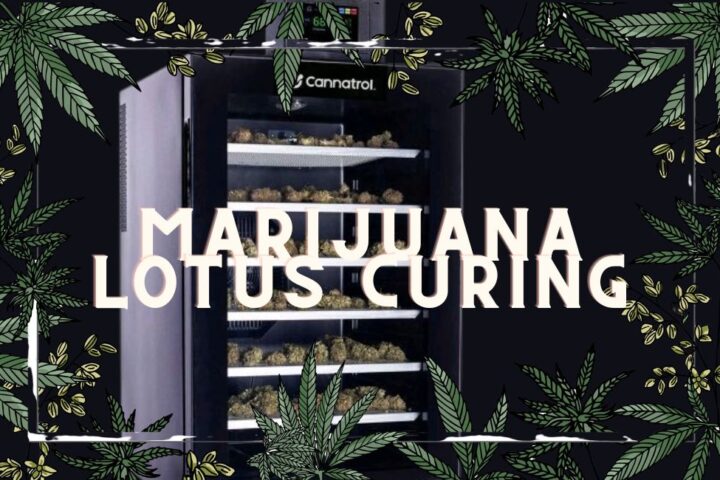
After drying, the buds are stored in special airtight jars for the curing process, which can last several weeks (generally 2 to 8, depending on the smoker’s taste). Curing improves:
- final aroma of the buds
- flavor, intensity, and persistence
- overall product quality.
Curing allows the flowers to fully develop their aromatic profile, the juicy flavor of cannabis terpenes, and the fearsome potency of THC from a strain expressed at its best!
How Much Does an Indoor Cannabis Plant Yield?
The yield of an indoor plant can vary significantly based on several factors, both human and genetic:
- the genetics of the marijuana plant (a Runtz brews differently than a Girl Scout Cookies or a Sour Diesel);
- the light intensity of the indoor grow lights chosen;
- the cultivation techniques used;
- the size of the pot (and resulting harvest size);
- the experience of the grower (which plays a huge role).
On average, an indoor plant can produce 30g to 450g of dried flower per square meter. Experienced growers with optimized systems can achieve even higher yields, exceeding 650g per square meter.
5 Tricks for Higher Yields in Indoor Growing
To improve the yield and quality of your marijuana harvest, we at Annibale Seedshop & Genetics recommend:
- Use appropriate lighting for your growing space (and precautions such as CO2, if necessary)
- Maintain stable environmental parameters for the specific development stage of your marijuana plants
- Constantly monitor pH, irrigation temperature, and the amount and type of nutrients (organic or mineral)
- Use cultivation techniques—like those listed above—with rigor and logical awareness
- Prevent pests and diseases by keeping your growing space clean and using non-phytotoxic products such as neem oil

How to Grow Weed Indoors: 5 Common Mistakes in Indoor Cultivation
Many novice growers make some typical mistakes when growing cannabis indoors that can compromise the quality of their harvest.
Among the most common problems and mistakes made by novice growers are:
- Overwatering: Watering too frequently can cause root rot;
- Overfertilization: Excess nutrients can cause leaf burn and stunted plant growth;
- Lighting too close: Lights too close to plants can cause heat stress;
- Poor ventilation: Poor air circulation encourages mold and pests;
- Lack of attention: Mold and infestations thrive on the carelessness of indoor weed growers.
FAQs – Indoor Cannabis Cultivation
How much light do you need to grow cannabis indoors?
The amount of light needed depends on the size of your grow space and the power and type of grow lights used.
Many indoor growers use the following as a general guideline:
- 300–600 watts LED per square meter
- 400–600 watts HPS per square meter
Adequate lighting is one of the most important factors for achieving good yields and abundant production of dense buds and fragrant trichomes!
Is it better to grow cannabis indoors or outdoors?
Both growing methods have advantages and disadvantages.
Indoor Growing
Advantages:
- Total control of the indoor growing environment (indicates where cannabis cultivation is illegal; check out cannabis laws in various world countries!)
- Year-round harvests (strains as Skunk and Gelato 33 are suitable because fast)
- Higher quality and density of flowers
Disadvantages:
- Higher energy costs
- Higher initial investment
Outdoor Growing
Advantages:
- Free sunlight
- Larger ganja plants (like Amnesia Haze and Biscotti)
- Lower management costs
Disadvantages:
- Weather dependence (risk of severe weather and disasters)
- Higher risk of pests and diseases
How often should I water my indoor cannabis plants?
Watering frequency depends on several factors:
- pot size
- substrate type
- ambient temperature
- plant size
- plant genetics
- fertilizers used
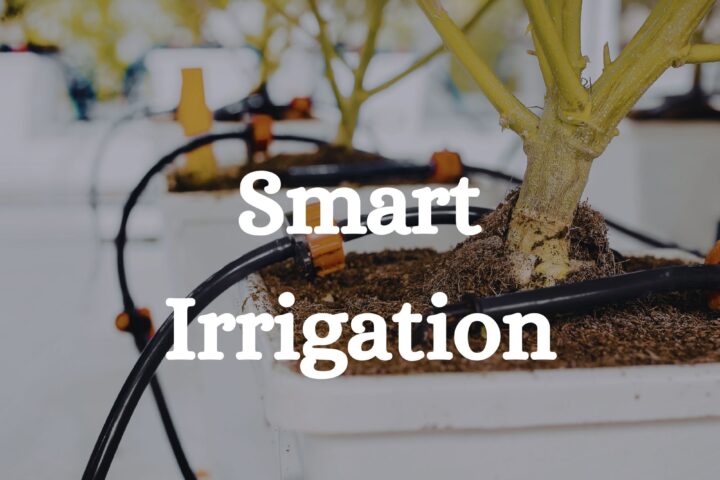
In general, it’s advisable to water only when the substrate is almost dry, avoiding standing water that can cause root rot.
A good manual measurement method is to lift the pot: when the pot feels light, it means the plant has consumed all the water available.
Guide to Indoor Cannabis Growing: In Conclusion…
Indoor vs. outdoor cannabis growing offers an extraordinary level of control over plant growth conditions. With the right knowledge and careful environmental management, it’s possible to achieve top-quality harvests and avoid the usual disasters that occur at the end of marijuana plant maturation when grown outdoors.
Learning to manage essential factors like light, ventilation, nutrients, and environmental parameters takes time, money, and experience, but with practice, every grower can progressively improve their results, arriving at successful weed like those in the best Amsterdam coffeeshops today!
We hope this guide to indoor growing has been helpful and helps you better understand the fundamentals of growing healthy, productive plants. Finding the easiest strains to grow can be a great start for beginners! We recommend sticking with the best feminized genetics, or, if you have more experience and less time, the best autoflowering seeds on the market!
Greetings from the Annibale Seedshop team, and good luck on your indoor cannabis growing journey!
Davide V
CEO, Founder & Geneticist