The 20 Most Common Mistakes of Beginner Cannabis Growers (2026 Guide)
How to Avoid Them and Grow Marijuana Successfully from Your First Cycle
Welcome to a new in-depth look at the 20 most common mistakes in cannabis cultivation from Annibale Seedshop’s blog. If you’re new to growing cannabis, you’re probably trying to understand how to grow marijuana correctly and avoid the classic problems that almost all beginners encounter in your exact case.
The truth is simple, but hard to swallow: everyone makes mistakes at the beginning. It’s the mistakes that make a grower better, not the successes!
Cannabis cultivation is a fascinating discipline that combines knowledge of botany, chemistry, and agronomy with a pinch of practical experience that only develops over time.
But there are some very common mistakes in cannabis cultivation that can be easily avoided if you know them in advance.
That’s why we’ve put together an updated guide to the 20 most common mistakes made by novice cannabis growers, along with practical tips for avoiding them and growing healthy, vigorous, and increasingly productive weed plants.
Why do beginners make mistakes when growing cannabis?
Most mistakes stem from three main factors:
- Too much haste
Wanting to achieve maximum results in the shortest possible time. - Too much confusing information
The internet is full of conflicting advice on growing marijuana. - Lack of practical experience
Many novice growers try to apply advanced techniques before mastering the basics.
For this reason, when learning how to grow cannabis for beginners, the most important rule is always the same: simplicity, stability, and continuous, meticulous observation of the plants you’re growing.
The 20 Most Common Mistakes in Growing Cannabis
Here are the most common problems encountered by novice growers.
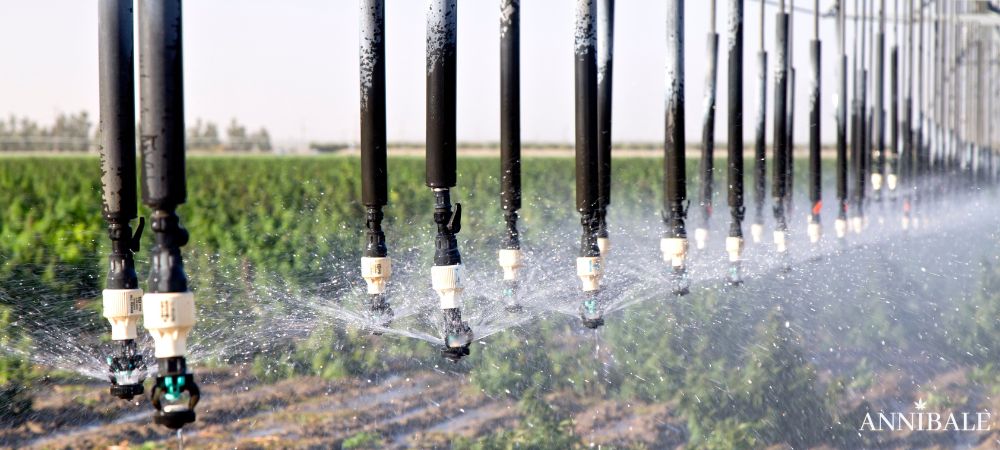
1. Watering Plants Too Often
This is probably the number one mistake in growing cannabis indoors and outdoors, due to the novice grower being too hasty.
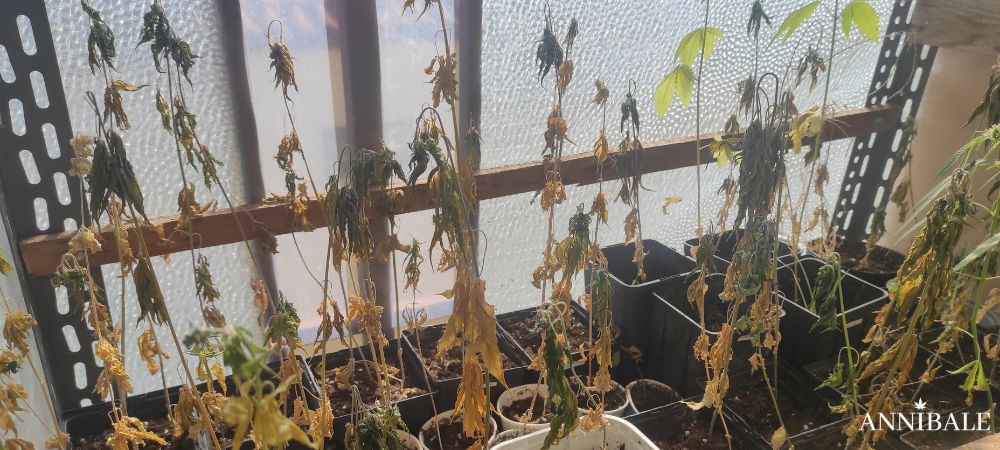
Many beginners think that more water means more growth. In reality, the opposite is true. A constantly soggy substrate causes:
- a lack of oxygen (essential in every growth phase) in the substrate and roots,
- slowed and deformed growth, and stress to the root system,
- risk of root rot, which puts an end to the crop.
Cannabis roots require consistent and balanced drying and watering cycles. Always wait until the substrate is dry and the pot weighs little when lifted before adding more water.
2. Using too much fertilizer
Another common mistake made by novice growers is overfeeding cannabis plants. When combined with overwatering, especially with mineral and non-organic fertilizers, this is equivalent to certain plant death.
In fact, too many nutrients can cause:
- Leaf and root burn
- Salt accumulation in the substrate (especially with mineral fertilizers)
- Blockages in nutrient uptake by plants.
It is often better to feed less, but consistently, precisely, and in a controlled manner. Read our article on excesses and overdose in cannabis nutrition!
3. Insufficient lighting for growing
Cannabis is an extremely demanding plant in terms of the quantity and quality of light it needs.
One of the most common mistakes made by inexperienced growers when growing marijuana indoors is using lamps that are too weak.
Insufficient light for growing leads to:
- Elongated stem growth and a weak, fragile structure
- Poor flowering, with poor quality
- Reduced or minimal bud production
Read our article on best indoor lamps for cannabis grow!
4. Choosing Marijuana Strains That Are Too Difficult to Grow
Many beginners choose very delicate or particularly demanding cannabis strains.
If you’re inexperienced, it’s always best to start with easy-to-grow cannabis seeds, such as robust strains and stable genetics. This makes the novice’s growing experience much easier and more rewarding!
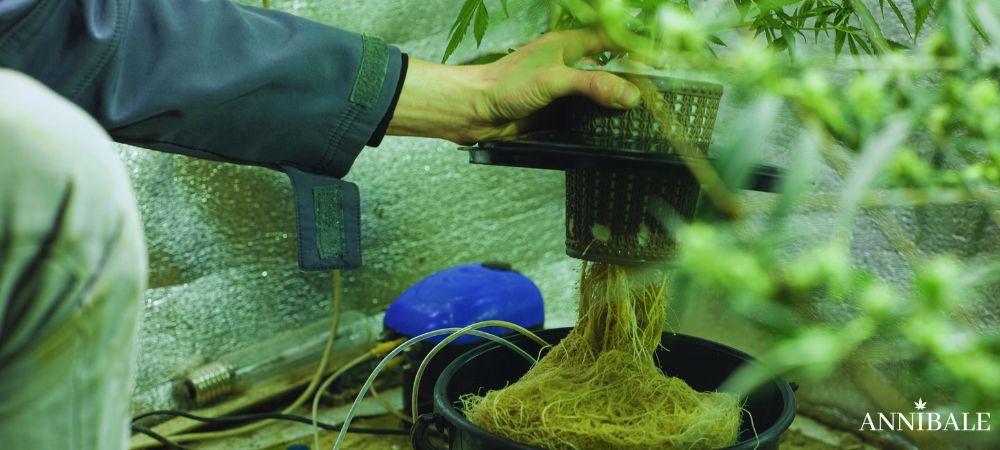
5. Not Checking the Water pH & temperature
This is a mistake many people make. pH and irrigation temperature are two of the most important parameters in cannabis cultivation.
Failing to check the parameters and watering with fertilizer (or without) with the wrong pH or temperature in the irrigation water can block the absorption of nutrients, even if they are present in the soil.
The result of this mistake quickly translates into:
- Serious nutritional deficiencies
- Slowed and deformed growth
- Yellowed, dry, and twisted leaves that no longer perform photosynthesis (it’s best to remove them)
6. Changing too many parameters at once
A very common mistake made by novice growers is constantly adjusting the growing environment.
If a plant shows even the slightest sign of a potential problem, many novice growers change:
- the amount and type of fertilizer
- the amount and method of watering
- the number of light hours or type of lamps
- the substrate
and perhaps do all of these things at the same time. This obviously makes it impossible to pinpoint the true cause of the problem.
7. Pots too small for growing weed
Plant roots, especially cannabis (and even more so autoflowering ruderalis plants), need space to develop.
Therefore, using pots that are too small for growing can limit:
- vegetative growth
- final yield
- the overall health of the plants.
8. Harvesting too early
Many novice growers harvest their cannabis too early, in a rush to reap the juicy and rewarding results of their hard work over the previous months.
But trichome maturation is crucial for:
- potency of the herb (quantity and type of cannabinoids)
- aroma and terpenes (how pleasant it will be to smoke)
- final quality of the buds (real value of the product)
Waiting for the right moment always makes a huge difference. Read our article to find out the right time to harvest your cannabis plant!
9. Poor ventilation in the grow space
Stagnant air is one of the main enemies of indoor growing. In fact, insufficient ventilation in the grow space can cause:
- early mold in the substrate
- weak, slow growth and eventual death
- excessive moisture accumulation.
Read our article on Airflow and Indoor Microclimate to learn more!

10. Ignoring environmental humidity
As mentioned earlier, humidity plays a fundamental role in plant health.
In fact, excessively high humidity levels during the final flowering stage can promote molds like botrytis, while too low levels can stress the plant and cause it to produce less bud.
11. Stressing marijuana plants too much with unnecessary techniques early in the growing process
Techniques like topping, mainfolding, LST, or advanced training can be helpful, but applied incorrectly or too early can unnecessarily stress the plant, causing it to produce fewer buds.
For beginners, the key to success is often keeping the growing process as simple as possible.
12. Transplanting weed seedlings at the wrong time
Transplanting is a delicate phase of growth for cannabis plants. If done too late or abruptly, it can slow the plant’s development. If done poorly, it will cause the weed plants to die.
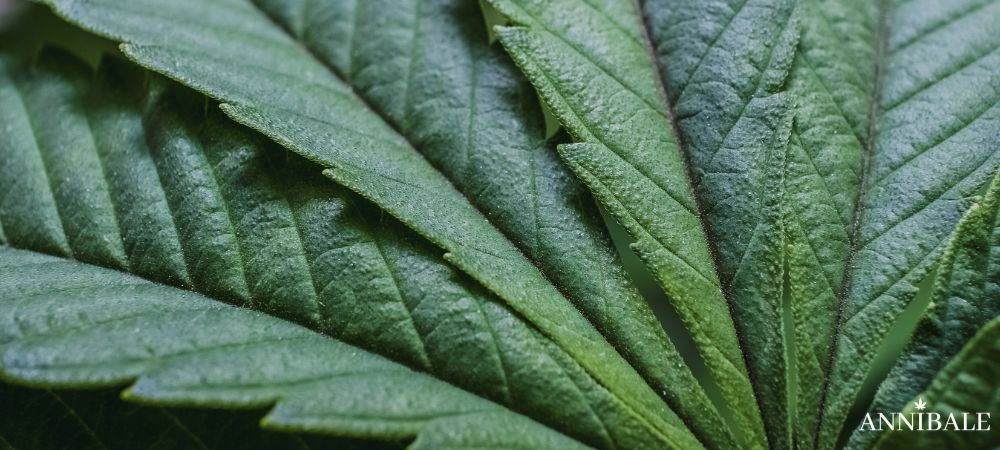
13. Don’t observe plants
Cannabis plants continually communicate their health through:
- Leaf color, shape, and position
- Growth pattern relative to the plant’s genetic structure
- Overall growth rate at various stages.
Learning to carefully observe plants is the most important skill for achieving a healthy and successful harvest.
14. Uncontrolled Temperature
Too high or too low temperatures can cause various stresses to plants:
- If too high, they burn trichomes, buds, and leaves, resulting in little or no-good weed.
- If too low, you risk mold and a low final yield.
The ideal conditions for growing cannabis are generally between 21°C and 24°C.
15. Not Preventing Pests and Infestations
Insects and pests can become a serious problem for any experienced or novice cannabis grower.
Among the most common cannabis plant pests in Europe are:
- Mites (red spiders),
- Thrips,
- Substrate gnats.
Always remember one fundamental principle: prevention is always easier than cure. Read our article on pest infestations in cannabis cultivation!
16. Using Poor-Quality Substrate
The growing medium is literally the root system of cannabis plants. Therefore, a low-quality substrate can cause:
- insufficient drainage
- nutritional deficiencies
- slow or stunted growth.
Read our article on the ideal substrate for growing cannabis!
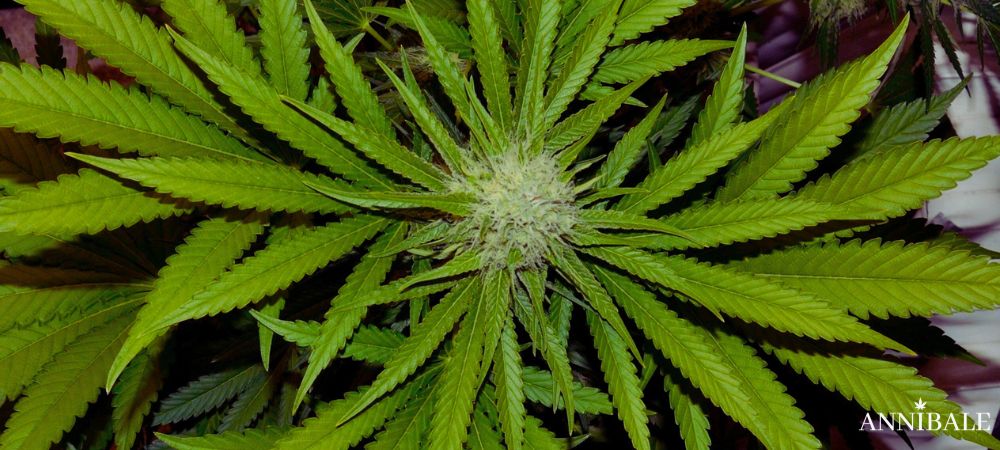
17. Not Planning Your Growing Space Properly
Many beginners underestimate how much space a mature marijuana plant can take up. Proper space planning helps avoid problems during growth.
This translates into healthy and abundant harvests, but organized!
18. Incorrect Bud Harvesting and Drying
Even after months of perfect cultivation, where the novice grower has followed all the fundamental rules, a poor drying process can ruin everything.
In fact, drying cannabis buds too quickly can cause a rapid loss of:
- quantity and quality of terpenes
- final aroma and aftertaste
- quality of combustion.
Read our article on how to dry cannabis!
19. Not Keeping the Growing Environment Clean and Sanitized
The routine cleaning of the growing space is often underestimated, even by professional growers.
In fact, a dirty and unhealthy environment in cannabis cultivation can encourage:
- pest infestation
- mold contamination
- other types of contamination (such as animal dander).
20. Lack of patience
This is undoubtedly the biggest mistake of all, and one that anyone can make.
Cannabis cultivation requires time, observation, and a minimum of passion and experience.
The grower’s takeaway is that, as mentioned at the beginning of this article, every growing cycle teaches something new!
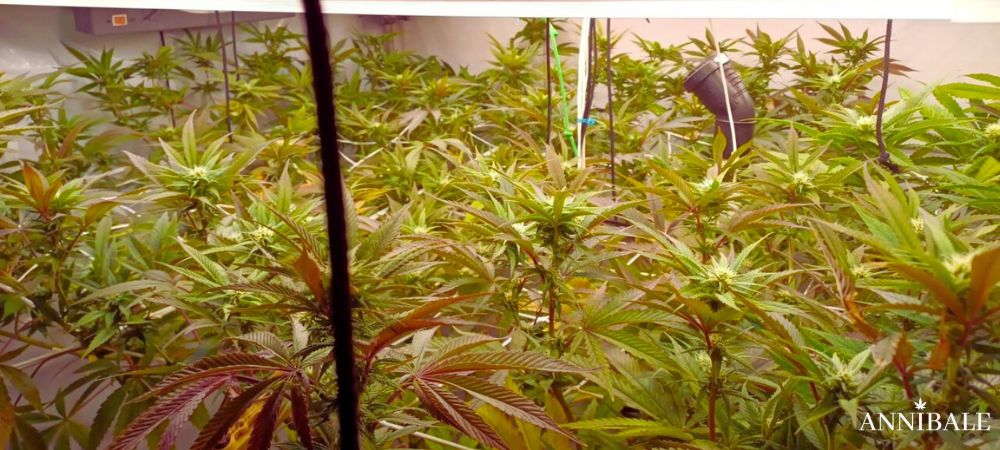
In conclusion…
Cannabis cultivation may seem complex at first, but avoiding some common mistakes of beginner growers makes the journey much easier and quicker.
With the right foundation and choosing beginner-friendly cannabis seeds, even those with little experience can achieve amazing results.
At Annibale Genetics, we believe that cannabis cultivation is first and foremost a form of knowledge: a continuous process of observation, experimentation, and improvement.
And every mistake, if properly understood, simply becomes another step towards mastering the plant.
Greetings from the Annibale Seedshop Team
Davide V. CEO, Founder & Geneticist