Pots VS Hydroponics & Aeroponics in Marijuana Cultivation
Welcome everyone to this new chapter of our Cannabis Cultivation Manual! After exploring the secrets of cannabis germination stage and the vegetative phase, today we face the ultimate dilemma: Is it better to stick with traditional pot cultivation or embrace the technological boost of hydroponics and aeroponics?
The choice of your growing medium is the true watershed between a mediocre harvest and legendary buds. Get comfortable—let’s discover together how to build the perfect bed for your roots!
The Perfect Substrate for Growing Cannabis in Pots
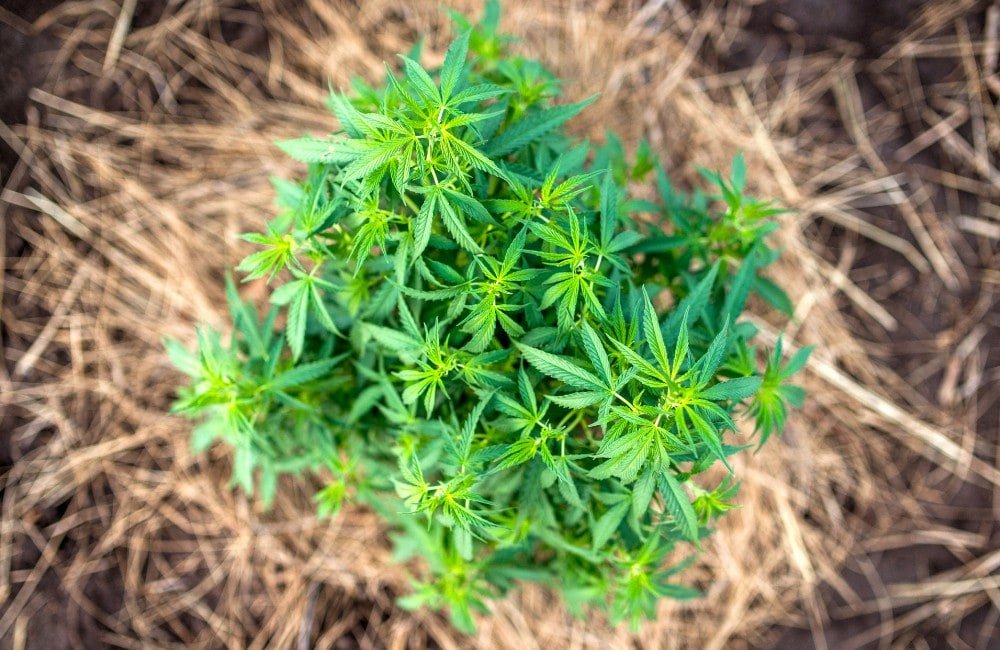
Cannabis is an incredibly resilient plant, a “weed” capable of adapting to many conditions. However, if you are aiming for the maximum expression of terpenes and potency, ordinary garden soil just won’t cut it.
Choosing the right soil determines the success or failure of the entire biological cycle. The best and ideal substrate must act like a perfect sponge, balancing nutrition and oxygen. To find or mix the perfect substrate for pots, you need to make sure it meets these fundamental requirements:
- Soil aeration: A fluffy texture that allows the roots to breathe without suffocating.
- Water retention: The ability to hold moisture without creating deadly stagnant water pools.
- Impeccable drainage: Excess water must drain quickly from the bottom of the pot.
- Stable pH: An ideal pH level between 6.0 and 6.5 for soil, ensuring optimal nutrient assimilation.
Hydroponic and Aeroponic Cannabis Cultivation
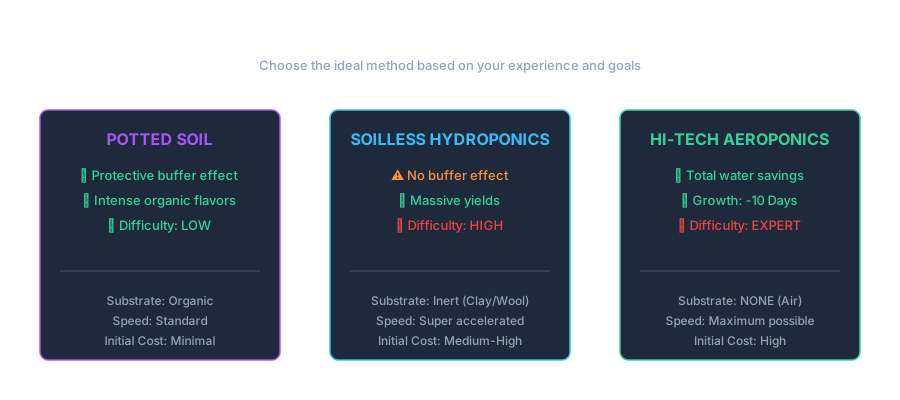
Aeroponics represents the hi-tech evolution of hydroponics, which is why they are often grouped into the same macro-category.
The crucial difference lies in the medium: Aeroponics completely eliminates any type of solid substrate. The plants literally float in the air inside sealed chambers. The bare roots are fed by a dense, fine mist of water and water-soluble nutrients. This system offers impressive commercial and biological advantages:
- Resource savings: A drastic reduction in water and energy consumption, making for an eco-sustainable grow.
- Speed of action: Lacking the friction of soil, plants grow at an accelerated pace.
- Cutting down timelines: With aeroponic systems, you can save anywhere from 4 to 10 days on the overall life cycle.

Hydroponic Cultivation: The Power of Inert Substrates
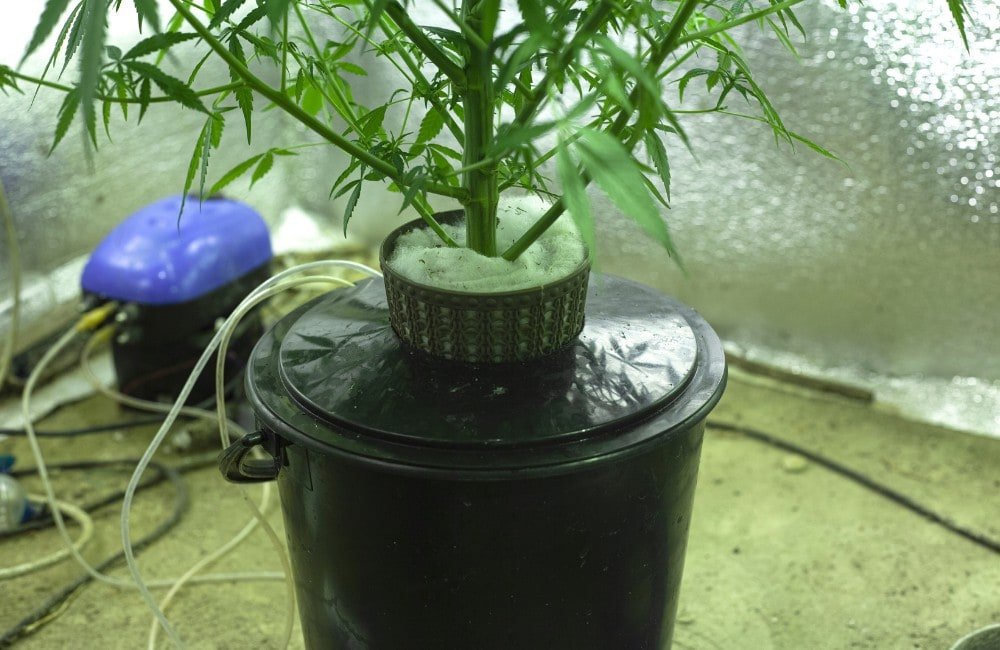
Classic hydroponics involves soilless cultivation by exploiting the physical properties of inert substrates. These materials do not contain any original chemical nutrition. Their sole job is to provide physical support for the roots and hold the nutrient solution administered at regular intervals.
Because of this, fertilizers do not experience the “buffer effect” of organic soil. The roots assimilate nutrients instantly and with an efficiency close to 100%.
The flip side of the coin: This incredible speed exposes plants to a very high risk of nutrient burn from over-fertilization (overfert) if you miscalculate your EC (Electrical Conductivity).
Hydroponic systems deliver significantly heavier yields compared to soil. However, they require expensive equipment, obsessive maintenance, and solid experience. If you have the budget, the time, and a few cycles under your belt, hydroponics is the winning choice. It will allow you to score massive, heavy buds packed with terpenes in record time.
Ideal Substrates for Growing Cannabis in Hydroponics
Let’s take a quick look at the best inert allies for your soilless setups:
- Rockwool: Ideal for seed germination and rooting clones. It offers total control over nutritional variables but requires frequent watering.
- Expanded clay pebbles: Porous clay stones perfect for recirculating systems. They keep the pH stable, keep conductivity (EC) in check, and deliver insane root oxygenation for explosive flowering.
- Silica sand: A volcanic silica sand, light and porous. It retains massive volumes of water and is used to lighten and aerate soil and coco mixes.
- Vermiculite: A hydrated natural mineral that acts as a catalyst, making nutrients readily available to the roots at the exact moment they need them.
- Peat moss: Fossilized plant residues from humid environments. It is divided into blond peat (recent decomposition), brown peat (intermediate), and black peat (advanced), which is excellent for structuring custom mixes.

The Recipe for the Perfect Substrate According to Annibale
Many professionals prefer to mix their own medium to gain absolute control over nutrients and save on the costs of commercial bags. Over the years, we at Team Annibale have developed the definitive formula for pot cultivation—a perfect balance between bio-activators and mineral porosity.
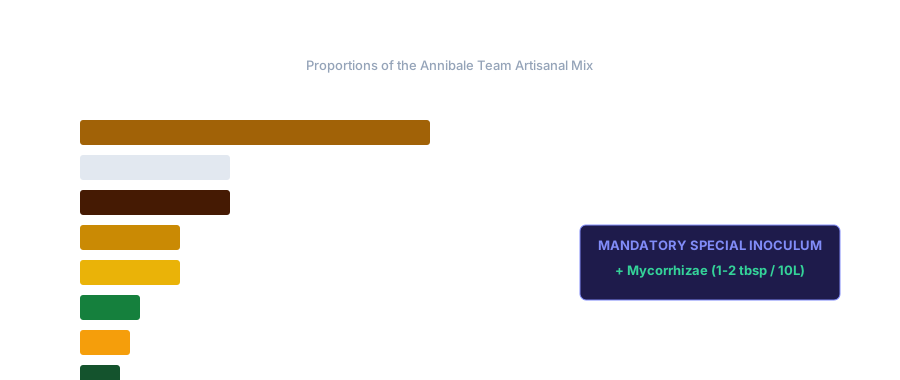
Here are the exact percentages to prepare our secret blend:
- 35% Fine-grade coco coir (for water retention and oxygen)
- 10% Coarse-grade coco coir (to create air pockets)
- 15% High-quality fine potting soil
- 10% Silica sand (for deep drainage)
- 15% Expanded perlite
- 5% Vermiculite
- 6% Well-aged organic compost
- 4% Pure worm castings
The Pro-Grower’s Extra Inoculant: Add 1 or 2 tablespoons of Mycorrhizae for every 10 liters of the mix to make the root system explode and maximize nutrient uptake.
And that’s all for this chapter on Pots VS Hydroponics & Aeroponics! If you are interested in discovering more about the different substrates you can use to grow marijuana and finding the perfect one for you, check out our dedicated article on the Best Substrate for Growing Cannabis!
Keep following us for our next article covering the Vegetative Stage of the Cannabis Plants. See you next time!
Warm regards from the Team at Annibale!
Davide, CEO Founder & Geneticist