Rosin, Hash Rosin and Live Rosin Cannabis
What it is, the differences between flower rosin, hash rosin, and live rosin, and how to produce it without waste or problems
Welcome to a new chapter for premium hashish enthusiasts and professionals on Annibale Seedshop’s blog.
Today we’re talking about hashish rosin: the natural, solvent-free extraction that has conquered half the world since 2020 because the concept is simple and understandable (just heat and pressure), but if you do it wrong, it only gives you two things:
- a greasy stain on the filter bag
- the feeling of having just squeezed a black tea bag in vain.
So, if you want to embark on the journey of rosin production and benefit from its “green” effects, it’s best to do so with a clear head and knowledge of the practical details that make the real difference.
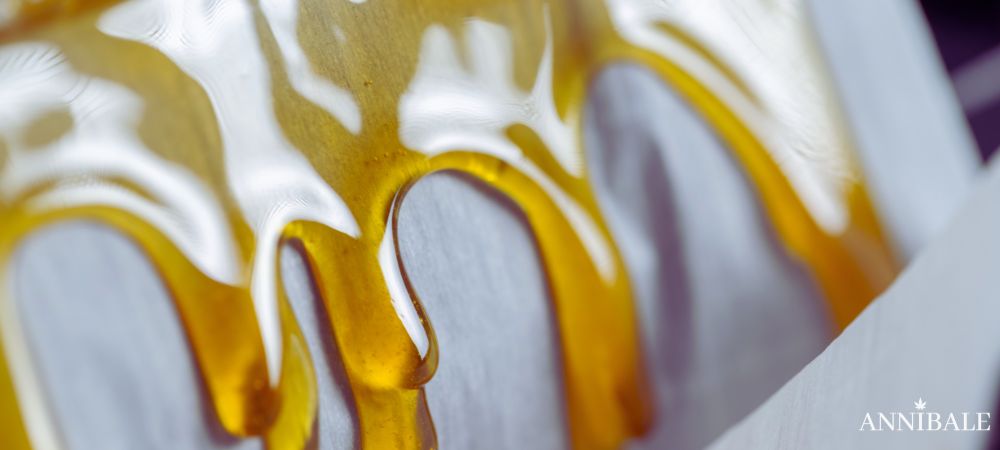
What is Rosin (and why is it so trendy today)
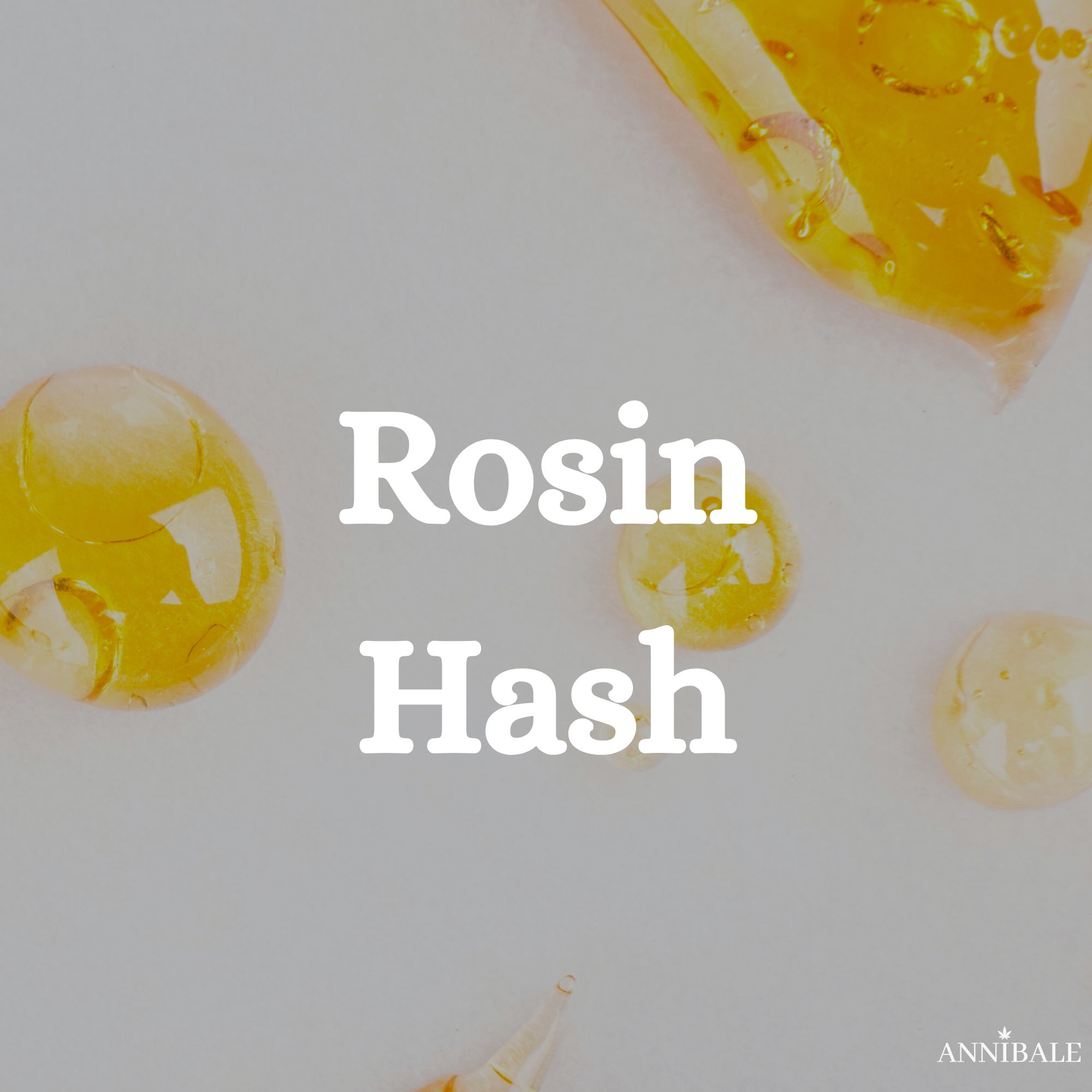
Rosin hashish is a concentrated extract obtained from it. Unlike other extracts (such as BHO, badder, etc.), it does not contain chemical solvents.
In fact, to produce quality Rosin, two physical phenomena are simply used: pressure and heat, which cause the resin in the trichomes to “sweat on the paper”.
It is solvent-free because there are no butane, ethanol, CO2, or other chemicals capable of dissolving THC; just basic physics and a little patience.
Rosin extract can be produced from:
- dried flower, called Flower Rosin
- malleable and oxidized hashish such as Ice o Lator or Afghani, called Hash Rosin
- from the more common dry sift, hence Sift Rosin
- or from fresh frozen buds (as with Fresh Frozen), called Live Rosin.
Today, the two most common types of rosin on the European and US markets are flower rosin and hash rosin.
In recent years, however, and especially in California, a third category has emerged that is increasingly controversial in the world of solventless hashish: live rosin.
And, in case you were really wondering, yes: these types of rosin are not the same thing, not even remotely.
Flower Rosin vs. Hash Rosin: The Main Differences
Raw Material: “Buds” vs. “Trichome Heads Only”
For flower rosin, the marijuana inflorescences are pressed directly into the machine.
For hash rosin, the trichomes are first separated from the plant (with bubble hash or similar), and only then is the ice or lator pressed (definitely once it’s dry, to avoid finding water in your rosin).
Translated plainly:
- flower rosin = bud concentrate
- hash rosin = concentrate extract
In fact, hash rosin is generally “cleaner” because it contains fewer impurities such as lipids and plant particles than basic flower rosin.
Sensory Quality: Cleanliness, Flavor, Burn, Aftertaste
- Flower rosin: It can be excellent, but more often it has vegetal notes (especially if the buds are too dry or of poor quality).
- Rosin hash: clearer, cleaner, and more defined, with more complex terpenes, and a more stable consistency in the lungs.
If you need that “luxury ice cream parlor” quality profile (sweet, creamy, clean) with a long finish, then rosin hash often wins, above all else.
Rosin Yield: the twist
Many people make mistakes when producing it, or simply get confused because they only look at the amount of product coming out of the rosin machine.
- Flower rosin: often higher yield and immediately satisfying
- Hash Rosin: the yield can be high on quality smoke, but if you consider the entire process (flower → hash → rosin), the overall yield depends greatly on genetics, tricome washability, and the quality of the resin used in hash production.
Therefore, flower rosin is easier and recommended as a “quantity” rosin production technique, while hash rosin is more recommended for “quality” production.
Requirements for producing rosin
- Flower rosin: cannabis pressing machine, micron bags, filter bag, and rosin paper;
- Hash rosin: washing is also required, i.e., bubble ice bags (iceolator), possibly a freeze dryer, fresh frozen management, etc.
Making hash rosin is certainly more laborious and demanding, and requires greater knowledge, practical experience, and time, but you can get the best smoke of your life!
Live rosin: what is it? What are the differences?
Here we enter a unique category in the world of solventless hashish: Live rosin is flower rosin obtained by directly pressing fresh, frozen cannabis buds (as with fresh frozen), meaning marijuana inflorescences that have never been dried or cured beforehand.
The process is therefore the same as simple flower rosin, but with one small difference:
harvest → immediate freezing → pressing → live rosin
This is the main difference from classic flower rosin:
- flower rosin → dried flowers, often cured for months before being transformed into rosin
- live rosin → fresh flowers, cut and frozen, transformed into live rosin 24 hours later
This detail profoundly impacts the final aromatic profile of the hashish produced.
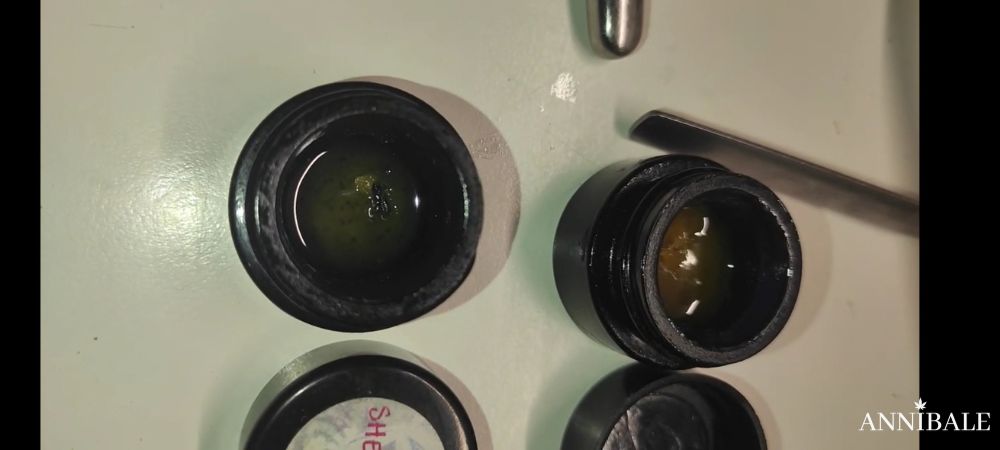
Be careful not to confuse Live Rosin vs. Live Hash Rosin
Many in the cannabis industry mistakenly use the term live rosin to actually mean live hash rosin.
The difference is this:
- Live hash rosin: fresh plant → freezing → Fresh Frozen → pressing
- Live rosin: fresh frozen plant → direct pressing
In commercial jargon, the two definitions are often confused, but technically they are very distinct and different processes.
Why Fresh Frozen Buds Change Everything
During the drying and curing process of cannabis, many things happen chemically, including:
- Some terpenes evaporate
- Others transform
These changes the aromatic balance of the buds.
When you freeze the marijuana plant immediately after harvest:
- You block degradation and oxidation
- You preserve highly volatile terpenes
- You maintain a more lively and floral aromatic profile.
This is why fresh-frozen extracts often have notes that are:
- Fresher in the throat and lungs
- Greener and more intense
- More similar to the smell of the live Marijuana plant than to traditional hashish.
Many describe them as the closest experience to a live or freshly cut plant.
Quick Differences Between Flower Rosin vs. Hash Rosin vs. Live Rosin
Flower Rosin Characteristics
- Raw Material: Dried Flowers
- Process: Direct
- Difficulty: Low
- Quality: Good but Variable
- Profile: More Vegetal
- Yield: High
Hash Rosin Characteristics
- Raw Material: Bubble Hash or Dry Sift
- Process: Trichome Separation → Rosin Pressing
- Difficulty: Medium
- Quality: Very High
- Profile: Clean, Bold, Persistent, and Complex
- Yield: Medium-Low
Live Rosin Characteristics
- Raw Material: Fresh Frozen Buds
- Process: Freezing → Direct Pressing
- Difficulty: High
- Quality: Extremely High, Very Aromatic
- Profile: Intensely Fresh and Volatile
- Yield: Medium-High
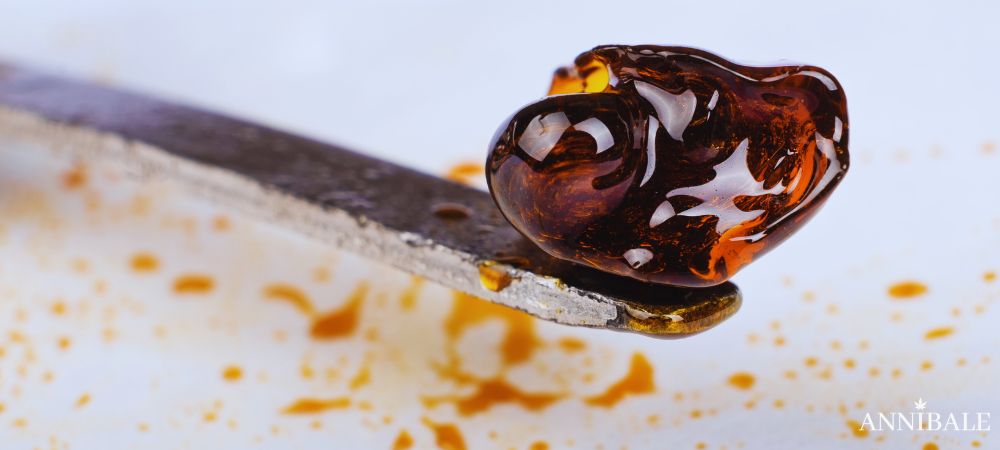
Rosin: What you need to get started making premium solventless hash
For flower rosin
- Hydraulic rosin press (stable, temperature-controlled commercial plates)
- Quality rosin sheet
- Micron filter bags (depending on how clean you want the final product)
- Rosin collection tool
For rosin hash
- All of the above
- Iceolator machine and bags, proper handling of sensitive material (dry or fresh frozen).
Pressure parameters: temperature, pressing, and rosin time
Here the rule is physical and really simple to understand and memorize:
- Hotter always equals higher yield, but inevitably also corresponds to fewer terpenes and a greater risk of “fried” rosin;
- Colder means higher quality, but also lower yield, although the texture of the product and the smoke in the lungs is undoubtedly more elegant.
A widely used practical guide in the world of hash and solventless extracts clearly distinguishes the typical ranges for flower rosin vs. hash rosin, with lower temperatures for each type of hashish to properly protect the terpenes as much as possible, while also limiting plant impurities.
Practical ranges that work for Rosin
Suitable temperature for Flower Rosin
- 180–200°F (about 82–93°C): more “terpy,” but moderate yield
- 200–220°F (about 93–104°C): higher yield, greater risk of vegetal notes and product oxidation (darkening)
Suitable temperature for Hash Rosin
- 140–170°F (about 60–77°C): top quality, slow and continuous pour
- 170–200°F (about 77–93°C): higher yield, but a touch less “competition-worthy”
Tip to remember: the quality of the material is more decisive than the temperature. If you press dry, trichome-poor flowers, you can even use angels to blow on the plates… the result will be small and always taste “green.”
Micron Bag: The Choice That Changes Rosin Cleanliness and Final Yield
As sad as it may be, there’s no “perfect” micron, universal for everyone and everything, that we can recommend. However, there is the right micron for obtaining that particular material.
In essence:
- For Flower Rosin: “wider” microns equal a higher yield, but also more plant impurities; on the other hand, “narrower” microns equal cleaner yields but lower yields.
- For Hash Rosin: narrower microns help maintain a cleaner, higher-quality product.
In the historical rosin threads on ICMag, you’ll find tests and discussions specifically about microns, material preparation, and the differences between trim, sift, buds, fresh frozen, and iceolators: it’s the classic place where you can understand what happens in the real world with real growers, not just in glossy commercial guides.
Flower Rosin Made Correctly: The 6 Details That Make the Difference
Flower Moisture
- If the cannabis flower is too dry, it means dark rosin, minimal yield, and unpleasant vegetal notes;
- if the bud is too moist, it spits out too much liquid, resulting in an unstable or uneven consistency.
Preparing the Marijuana Buds
Don’t press hard, uneven “rocks.” Compact the flower well, preferring even distribution.
Constant and Gradual Pressure
Start with light pressure and gradually increase. If you press hard right away, you often trap impurities and ruin the final result.
Pressing Timing
- Too little pressure is like leaving real gold inside the rosin filter bag;
- pressing too much means you start carrying around vegetal impurities you really don’t want.
Quality Rosin Paper
Poor quality paper is like cooking in a pan that sticks: it doesn’t help, it just ruins everything.
Quick and Clean Rosin Harvest
Rosin is delicate: the more you heat it and handle it haphazardly, even with just the heat of your hand, the more it oxidizes and irreparably ruins it.
Rosin Hash: Why “Fresh Frozen” Style Is a World Apart
Here we enter the gourmet section, dedicated to cannabis growers, extract producers, and lovers of premium hashish.
As explained in our article, “fresh frozen” means: the plant is harvested and frozen immediately (whole or in parts), to preserve as much of the fresh and original terpenes of the cannabis genetics as possible, as well as the quality (and quantity) of the trichomes before natural drying or curing the buds changes everything.
Advantages of live rosin vs. Rosin:
- A more “alive” and fresh flavor profile
- Often lighter and cleaner colors if the process is done correctly
Disadvantages of rosin vs. live rosin:
Requires control: timing, cold, water/ice management, and drying the hash (if done poorly, all the work done previously can be ruined).
If you want “picture-perfect” rosin hash, live rosin is often the way to go… but it requires patience, technique, and discipline.
People Also Ask (FAQ)
Is rosin safer and more natural than BHO or other extracts?
Speaking solely of the process: rosin is solvent-free and does not use flammable substances. Overall safety always depends on hygiene, the quality of the material, and equipment used correctly, as well as technique, knowledge, and Rosin producer’s knowledge and experience.
Flower rosin vs. hash rosin: which is better to produce?
If you want simplicity and low costs, we recommend flower rosin; if you want premium quality and want to go “clean lab”, hash rosin is for you.
Is live rosin better than hash rosin?
Not necessarily better, but aromatically fresher because it comes from raw, undried, unoxidized material.
Does rosin lose terpenes when heated?
Yes, inevitably: higher temperatures tend to sacrifice aroma and freshness. This is why many quality pressings are done at lower temperatures, especially for hash rosin.
Why does rosin turn dark over time?
Common causes: old/dry material, too high a temperature, too long a press, oxidation during handling, or simply plant contamination.
How do you store rosin without ruining it?
As with seeds and other live, sensitive products, rosin should be stored in a cool, dark place, preferably with little or no oxygen (vacuum-packed). For more casual smokers, a tightly closed jar and minimal exposure to heat and light will suffice.
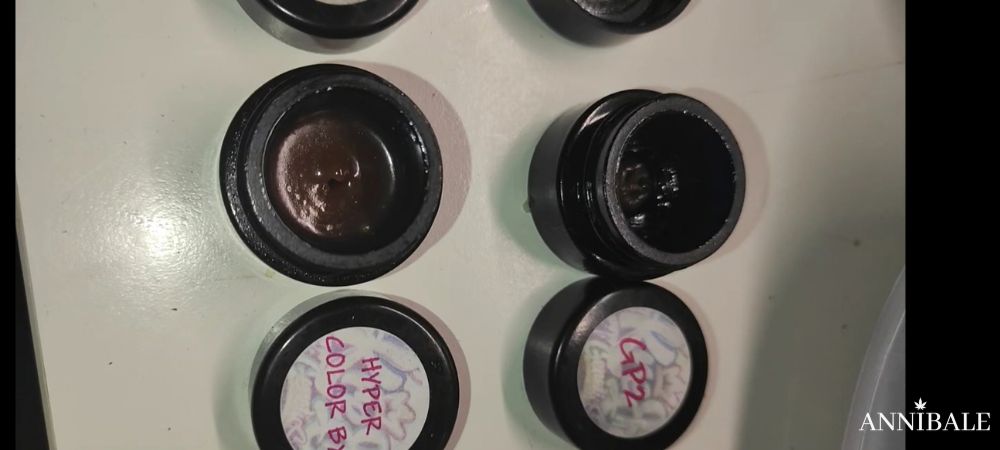
In conclusion..
Rosin is only simple on commercial products—”crush the buds and that’s it.”
In reality, producing rosin is a very precise mix of:
- raw material (genetic quality + trichome quantity)
- preparation (moisture of the flower or hash and packaging of the rosin micron filter)
- parameters (temperature, pressure, and application time)
- environment (cleanliness of the production area and cultivation of the buds)
- storage (vacuum-packed, refrigerated, without light).
If you start with well-made flower rosin, you’ll already get a lot of satisfaction.
If you want to take it to the next level, hash rosin is where you truly understand the meaning of a premium, solvent-free, 100% natural extract.
And when you start working with fresh, frozen material, you enter a completely different aromatic dimension, where the resin retains much more of the original profile of the living plant and its genetics. Give a look to our article about modern dessert genetics, suitable for rosin production!
And this article on the main differences between rosin, live rosin, and hash rosin ends here. We hope this has been helpful in your grow setup. See you in the next article!
Greetings from the Annibale Seedshop Team!
Davide V, CEO, Founder & Geneticist