Mycorrhizae and Trichoderma: The Biological Revolution of the Cannabis Rhizosphere
Welcome everyone to this new article on our blog about the Benefits of Mycorrhizae and Trichoderma for Cannabis plants! After looking at our article on the characteristics and benefits of Neem oil for Cannabis, fasten your seatbelts for this new chapter brought to you by the staff at Annibale Seedshop & Genetics!
In the 2026 cultivation landscape, the efficiency of a grow room is no longer measured solely by the wattage of the LEDs or the purity of raw mineral fertilizers. The real secret of Master Growers lies underground. Creating a living symbiotic network in the rhizosphere (the soil zone immediately surrounding the roots) is the only way to unlock the true genetic potential of elite varieties like our Jack Cloudwalker F1. Let’s find out how these fungal allies radically transform the root system and the quality of the final harvest.

What Are Mycorrhizae? The Internet Network of Roots
Mycorrhizae (from the Greek mykos = fungus and rhiza = root) are not mere fertilizers; they represent one of nature’s most fascinating biological alliances. It is an ancient mutualistic symbiosis between beneficial soil fungi and the root system of the Cannabis plant.
In cannabis cultivation, Endomycorrhizae (Glomeromycota fungi) are primarily used, whose microscopic structures (hyphae) literally penetrate inside the cortical cells of the root.
The Mechanism of Biochemical Exchange
The pact is simple yet perfect:
- The Plant provides sugars: It gives the fungus carbohydrates and carbon assimilates produced through foliar photosynthesis.
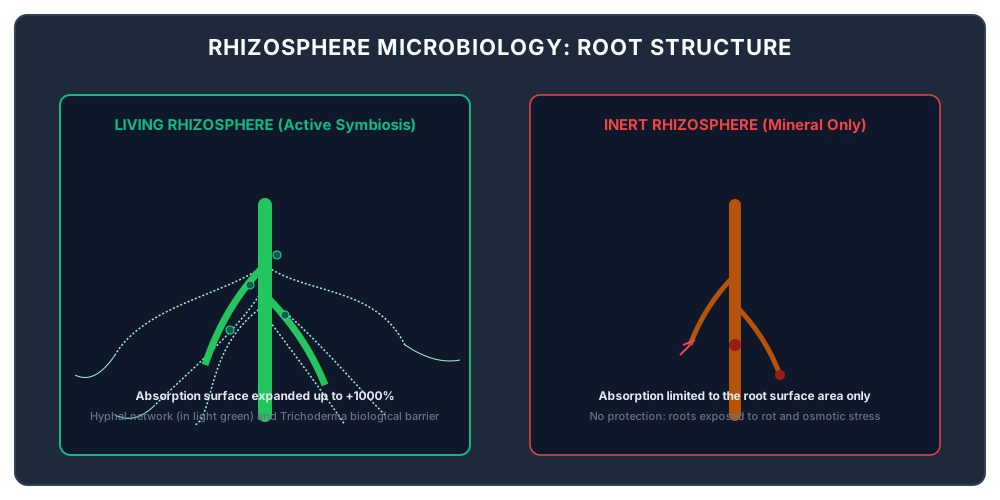
- The Fungus expands the roots: In exchange, the fungus develops an infinite number of microscopic filaments (the mycelium) that extend into the substrate far beyond the reach of natural roots. This dense network acts as a true extension of the root system, increasing the absorption surface area up to 700-1000 times.
What Is Trichoderma? The Hyperactive Bodyguard of the Soil
While mycorrhizae focus on an intimate union with the root to nourish it, Trichoderma (particularly strains like Trichoderma harzianum) acts as a private, hyperactive security force within the soil. This is a genus of fast-growing beneficial fungi that are free inhabitants of the soil and colonizers of the root surface.
Trichoderma protects and stimulates the plant through three distinct lines of action:
- Direct Mycoparasitism: It recognizes killer pathogenic fungi (such as Pythium, Fusarium, and Rhizoctonia), wraps itself around their hyphae, and secretes lytic enzymes (chitinases and glucanases) that dissolve their cell walls, destroying them.
- Antibiosis: It produces natural antibiotic substances that create a hostile environment for the germination of harmful spores.
- Induced Systemic Resistance (ISR): By colonizing the outer layer of the roots, it sends biochemical signals to the plant that activate its defense genes. It acts like a natural “vaccine” that alerts the plant’s immune system, making the entire structure (including upper leaves and flowers) incredibly resistant to stress.
10 Reasons to Apply Mycorrhizae and Trichoderma to Cannabis
The integration of these fungal inoculants into the soil or inert substrates (such as coco coir) triggers a chain reaction that optimizes the plant’s entire production cycle:
- Maximization of Phosphorus (P) Absorption: Phosphorus is the key element for the floral explosion, but it is often locked in the soil in insoluble forms. Mycorrhizae release enzymes (phosphatases) that cleave these chemical bonds, making Phosphorus immediately bioavailable to the roots.
- Mineral and Water Stress Resistance: The fungal mycelium stores water trapped in soil micro-pores that are inaccessible to roots, gradually releasing it to the plant during prolonged droughts or extreme indoor temperatures.
- Natural Eradication of Root Diseases: The predatory and competitive action of Trichoderma eliminates the vital space needed for the development of Pythium (the fungus responsible for “damping-off” or seedling mortality) and Fusarium.
- Explosion of the Terpene and Cannabinoid Profile: Perfectly balanced and stress-free nutrition optimizes secondary metabolic pathways. Iconic strains like our Jack Cloudwalker F1 increase trichome production, enhancing aromatic profiles and THC/CBD levels.
- Drastic Reduction in Chemical Fertilizer Requirements: Thanks to doubled absorption efficiency, growers can cut liquid fertilizer input by up to 30-40%, preventing toxic salt buildups in the substrate.
- Low Environmental Impact and Zero Ecotoxicity: These are 100% pure biological products, completely biodegradable, promoting regenerative agriculture with zero environmental runoff.
- Optimization of Soil Structure: The mycelium aggregates soil particles, creating a spongy, soft, and perfectly aerated structure capable of retaining the oxygen necessary for root respiration.
- Organic Chelation of Microelements: The fungi secrete compounds called siderophores, which are capable of binding Iron and Zinc present in the soil, preventing nutritional lockouts caused by accidental pH swings.
- Compact and Vigorous Internodal Development: Beneficial plant hormones stimulated by the symbiosis (such as auxins) promote robust structural growth, resulting in thick stems and rigid side branches ready to support the weight of the buds.
- Incremental Increase in Commercial Yield: The perfect synergy between enhanced nutrition, absence of disease, and peak photosynthesis translates into a single final result: swollen, dense, and heavy floral calyxes.
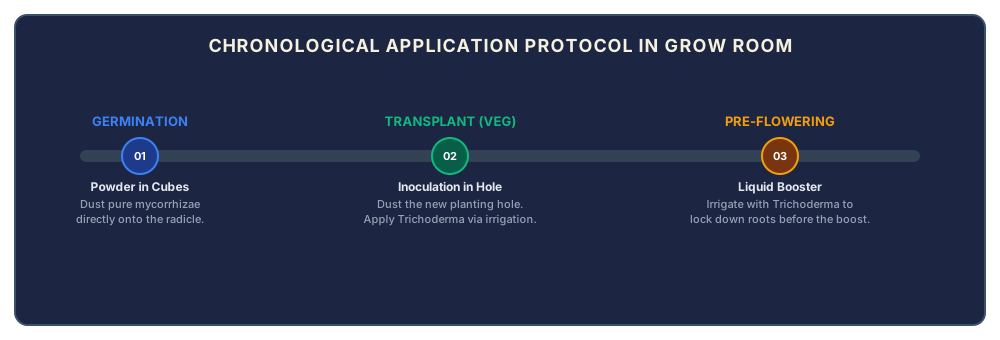
Guide to Synchronized Application (Cultivation Timeline)
Many growers make the mistake of applying these fungi at any random time during the life cycle, reducing their efficacy. Mycorrhizae need direct contact with young, living root tissue to activate, while Trichoderma requires stability in the substrate.
Beware of Conflicts: The 3 Fatal Mistakes of Growers
Creating a living ecosystem requires strict management care. Introducing beneficial fungi and then treating them with old chemical habits will destroy your investment in seconds.
- The Use of Systemic Chemical Fungicides: This is the most basic and lethal mistake. Administering a chemical fungicide to the soil to treat an early stage of root rot will instantly kill both the pathogenic fungi and the entire newly established colony of Mycorrhizae and Trichoderma. If you choose the biological path, your defense strategy must remain 100% organic.
- Overdosing on Soluble Mineral Phosphorus: If the plant detects a massive amount of free and easily accessible mineral Phosphorus in the soil (typical of aggressive, high-PK chemical flowering fertilizers), it will deem it unnecessary to “pay” the mycorrhizal fungus with photosynthesis sugars. The plant will cut off energy supplies to the fungus, abruptly interrupting the symbiosis and causing the mycelium to die.
- Using Chlorinated Water Directly from the Tap: Chlorine is added to public water supplies specifically to eradicate microbiological life and make water safe to drink. Watering your pots directly with tap water decimates Trichoderma spores and the mycorrhizal network. Always let your water sit (decant) in an open bucket for at least 24 hours before use to allow the chlorine to evaporate completely.

FAQ: Frequently Asked Questions about Mycorrhizae and Trichoderma
Is it possible to use Mycorrhizae and Trichoderma together in the same substrate?
Absolutely yes. In fact, the synergy is highly recommended. While mycorrhizae work on extending the root system and optimizing nutrient absorption, Trichoderma actively protects the roots from external fungal attacks. They work on complementary biological pathways and do not conflict with each other.
Can classic mineral fertilizers damage these beneficial fungi?
Yes, an excess of highly concentrated mineral fertilizers (especially those with very high Phosphorus levels, like many aggressive chemical “PK Boosters“) can inhibit mycorrhizal activity. Since the plant gets “easy” and immediate nutrition, it tends to stop “paying” the fungi with sugars, breaking the symbiosis. Using organic or biological fertilizer lines is highly recommended.
Do I need to add Mycorrhizae every time I transplant my plants?
Yes, this is an excellent practice. Mycorrhizae work best when they come into direct contact with young roots during transplanting. Dusting a little inoculum into the new hole or directly onto the roots before placing them in the pot allows for a rapid and effective colonization of the new portion of the substrate.
Can I use tap water to water plants inoculated with these fungi?
The chlorine contained in tap water is a sworn enemy of micro-life. Chlorine is meant precisely to kill microorganisms and bacteria; watering with water straight from the tap would decimate your Trichoderma colonies. Always let your water decant in an open bucket for at least 24 hours before each watering to allow the chlorine to evaporate.
Can Trichoderma also be sprayed on the leaves, or is it only for the soil?
Although its main function is in the rhizosphere, Trichoderma can also have protective effects on the aerial part (leaves) against certain types of pathogenic fungi like powdery mildew. However, the primary and most effective application always remains in the soil or directly on the root system, as that is where the fungus establishes its stable colony and acts as a “bodyguard” for the plant.

Conclusions: The Bio-Technological Vision of Annibale Genetics
The synergetic use of mycorrhizae and trichoderma represents the turning point for anyone wishing to produce superior quality cannabis while reducing industrial chemical inputs. Combining these cutting-edge biological techniques with ultra-performing and stable genetic selections like our Grandaddy Gasoline allows you to maximize biomass, safeguard root health, and fully bring out the plant’s native terpene profiles. Growing organic does not mean producing less, but growing smarter.
And this post on Mycorrhizae and Trichoderma and their benefits in cannabis cultivation comes to an end. Hoping to have been of help, see you in the next article!
Best regards from the Annibale Seedshop Team!
Davide V, CEO, Founder & Geneticist