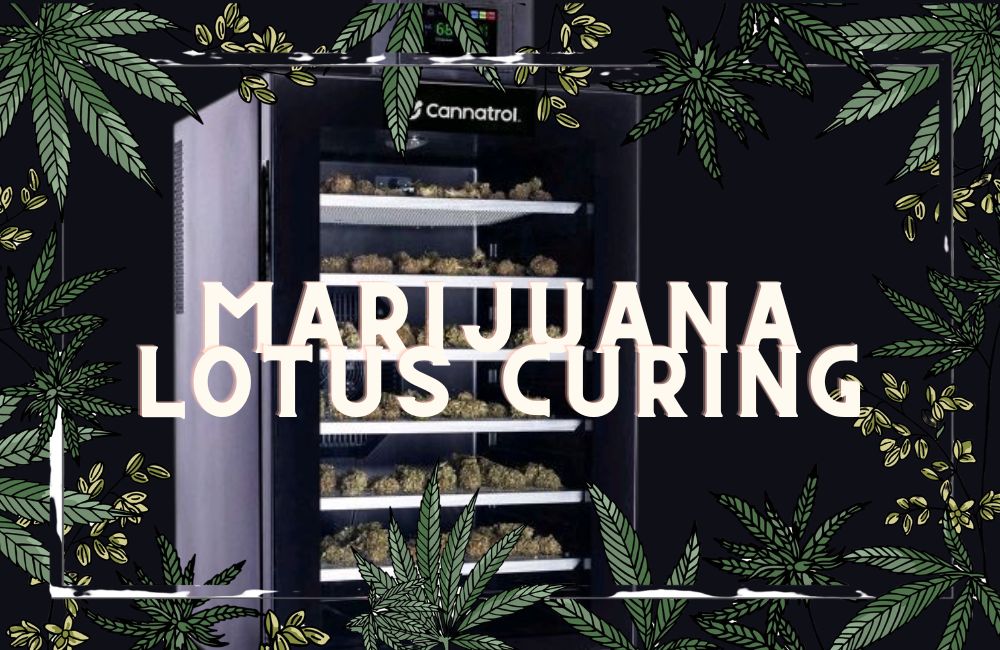
The post-harvest revolution: the definitive scientific guide to Lotus Curing
(cold drying and cold curing)
In the modern cannabis cultivation landscape, genetics play a fundamental role. Those who choose Annibale Genetics seeds know perfectly well that behind every variety lies an immense amount of selective breeding work aimed at stabilizing unique aromatic profiles, elite cannabinoid concentrations, and extraordinary yields. However, there is a critical moment in which all this biological potential risks being irreparably compromised: the drying and curing phase.
The traditional method, based on the classic empirical scheme of 20°C ambient temperature and 60% relative humidity, dramatically reveals its limitations during the summer months or in environments that are not perfectly climate-controlled. High temperatures accelerate the evaporation of volatile compounds, leaving the grower with a final product that often smells like hay or dried grass, lacking its original organoleptic complexity.
To solve this problem, within scientific discussion spaces and the most authoritative international forums such as ICMag, THCFarmer, Reddit (r/microgrowery) and GrowDiaries, a revolutionary technique has emerged: Lotus Curing (also known as Cool Curing or Fridge Drying). This methodology moves the entire drying and maturation process into a refrigerated and controlled environment, preserving the molecular integrity of the flowers in a scientifically verified manner.
In this guide we will analyze every technical, physical and biological aspect of Lotus Curing, providing an impeccable operational protocol that is safe and odor-proof, suitable even for the most restrictive apartment and condominium environments.
The post-harvest biochemistry: why heat destroys quality
To understand the absolute superiority of cold drying, it is necessary to analyze from a chemical perspective what happens inside glandular trichomes after the plant is cut.
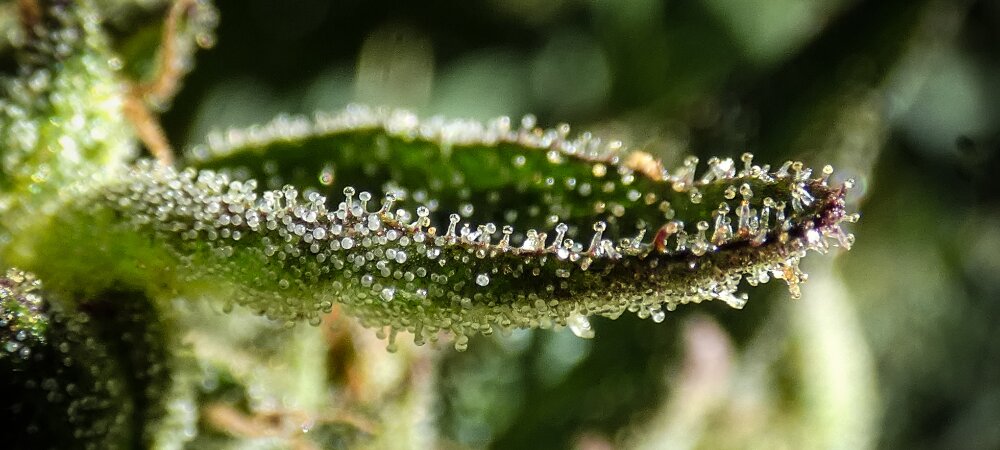
Trichomes are microscopic biochemical factories responsible for the synthesis of cannabinoids (such as THCA, CBDA, CBGA) and terpenes. Terpenes are mainly divided into two categories:
- Monoterpenes: These are the lightest and most volatile molecules, such as myrcene, limonene and pinene. These compounds tend to degrade and evaporate at temperatures above 15–18°C, representing the first aromatic layer that is lost during overly warm or summer drying conditions.
- Sesquiterpenes: These are heavier and more complex molecules, such as beta-caryophyllene. Although more thermally stable than monoterpenes, they still undergo oxidation and degradation when exposed to light, oxygen and chronic heat.
- Cannabinoids: The chemical bonds of THCA and CBD remain exceptionally stable at low temperatures, whereas prolonged exposure to warm ambient temperatures accelerates the degradation of THC into CBN, reducing both psychoactive potency and therapeutic value.
Monoterpenes begin to evaporate at surprisingly low temperatures, often already above 15–18°C. When a harvest is dried at 22–25°C ambient temperature, more than 50% of primary monoterpenes can disperse into the air within the first four days. This is the direct cause of the loss of top aromas and the appearance of the characteristic flat hay-like smell.
Another crucial biological factor is chlorophyll breakdown. When the plant dies, enzymatic processes continue as long as a minimal level of cellular water remains. The enzyme chlorophyllase breaks down chlorophyll, eliminating the bitter and harsh taste typical of uncured cannabis.
At high temperatures, water evaporates too quickly, cell walls collapse, and enzymatic processes stop prematurely, trapping chlorophyll inside plant tissues. In contrast, cold temperatures keep cellular channels turgid and open for longer, allowing extremely gradual, uniform and deep chlorophyll degradation.
The core concept: Vapor Pressure Deficit (VPD) applied to cold drying
The drying process is not governed simply by relative humidity (RH), but by Vapor Pressure Deficit (VPD), which represents the difference between the pressure exerted by saturated water vapor inside the flower (assumed at 100% humidity) and the vapor pressure of the surrounding air at a given temperature.
In a warm environment, for example at 25°C with 60% relative humidity, the calculated VPD reaches significantly high values, around 1.26 kPa. This large pressure gap creates a strong “pulling force” on the internal tissues of the flower, causing accelerated and often uncontrolled water loss.
Conversely, if we drastically reduce the temperature to 5°C while maintaining the same 60% relative humidity, saturation pressure drops due to thermodynamic laws. As a result, the final VPD stabilizes at a much lower value, around 0.35 kPa.
This reduced pressure differential places minimal stress on the plant material. Water migrates from the core of the flower toward the exterior in a slow, gentle manner, preventing sudden tissue collapse and ensuring that trichomes remain hydrated, elastic, and intact without experiencing the structural shock typical of rapid dehydration.
Step-by-step guide to perfect Lotus Curing
To perform this technique without making systemic errors that could compromise the harvest, a standardized operational protocol must be followed.
Phase 1: Harvest and trimming technique
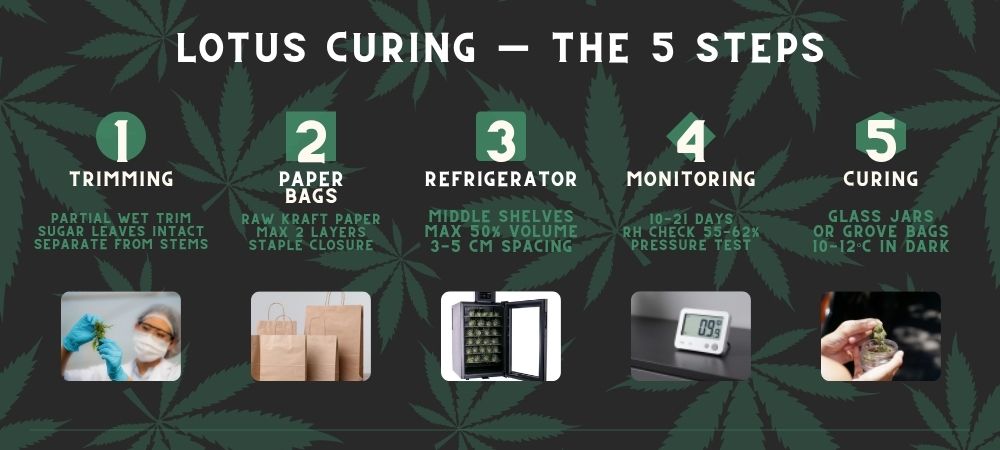
On harvest day, perform a partial wet trim. Remove all fan leaves and larger leaves that do not contain resin. It is recommended to leave the inner resinous sugar leaves intact or only lightly trimmed: at refrigerator temperatures these leaves will naturally fold over the flower, acting as a mechanical shield for trichomes and further slowing gas exchange.
The flowers should be separated from the main branches to optimize space and reduce unnecessary structural moisture inside the appliance.
Phase 2: Containers and the role of brown paper
Flowers must never be placed loose or inside airtight containers during the first phase. Only raw brown paper bags should be used (classic unbleached bread bags with no plastic coating or glossy finish).
Uncoated kraft paper has unique hygroscopic properties: it acts as a true humidity-regulating “lung”. It absorbs immediate moisture released by fresh flowers, preventing liquid water films from forming on the surface of buds, and gradually releases that moisture into the dry refrigerator environment.
Place the flowers inside the bag without compressing them. Never exceed two overlapping layers per bag. Close the top by folding it twice and securing it with a simple metal paper clip.
Phase 3: positioning and thermal load management
Place the bags on the middle shelves of the refrigerator. Do not overload the chamber under any circumstances. A refrigerator filled beyond 50% of its usable volume will experience an uncontrolled humidity spike, because the defrosting and ventilation system will not have enough airflow capacity to process the incoming moisture load.
Maintain at least 3–5 cm of space between each bag to ensure proper cold air circulation.
Phase 4: monitoring and timeline
The Lotus Curing process requires between 10 and 21 days depending on flower density and genetics.
- Days 1–4 (critical phase): Flowers lose around 50–60% of total water content. Internal bag humidity spikes initially. Monitor with a thermo-hygrometer. Gently shake bags every 48 hours to redistribute buds and prevent flattening.
- Days 5–12 (stabilization): Internal relative humidity should gradually drop and stabilize between 55% and 62%. Refrigerator airflow works together with paper transpiration.
- Days 13–21 (finishing phase): Perform the bend test. Unlike traditional drying, stems should not “snap cleanly” because cold curing maintains partial structural flexibility. The flower is ready when the outer structure is dense and compact, calyxes are crisp on the outside but slightly elastic at the core.
Phase 5: final curing stage
Once drying is complete, move buds into glass jars (borosilicate) or preferably Grove Bags (TerpLoc technology for passive gas stabilization control).
Store containers again in a refrigerator (or a dark cellar at 10–12°C) for long-term curing. This prevents cannabinoid oxidation caused by seasonal temperature fluctuations.
Hardware comparison: static fridge vs No-Frost fridge
The choice of appliance is not secondary—it is the decisive factor between full success and total failure due to fungal contamination. The two systems differ radically:
In a Total No-Frost system, air circulation is forced continuously via internal fans, while in a static system, movement relies only on weak natural convection. This directly affects humidity management: No-Frost performs continuous dehumidification, extracting moisture from the chamber, whereas static systems create chronic stagnation with humidity often above 80%.
As a result, No-Frost systems have no condensation on internal walls and almost zero risk of Botrytis (grey mold) under correct load conditions. Static refrigerators, however, constantly form condensation and ice on the back plate and carry a much higher mold risk.
Operationally, No-Frost allows a “set and forget” approach, while static fridges require constant manual intervention and frequent door opening to exchange air.
Why the No-Frost system is technically mandatory
A Total No-Frost refrigerator is not simply a cooling device, but a continuous thermodynamic dehumidifier.
In a No-Frost system, the evaporator (the cooling element) is located outside the internal chamber, usually in the rear compartment or between structural panels. A fan continuously pushes internal air through this hidden evaporator. The moisture suspended in the air comes into contact with the cold coil, instantly freezes into frost, and is removed from circulation. The air then returns to the chamber dry and cold.
At regular intervals (typically every 8 hours), the compressor stops and an electric heating element warms the evaporator for a few minutes: the frost melts, turns into water, and drains through an external tube above the compressor, where it evaporates completely outside the system.
This continuous cycle ensures that internal relative humidity remains consistently low and controlled, extracting moisture from paper bags in a precise and automatic way.
The destructive limits of static refrigerators
A static refrigerator generates cold through an evaporating plate integrated directly into the rear wall of the internal chamber. Air movement occurs only via natural convection (cold air sinks, warm air rises), resulting in almost no active circulation.
When fresh flowers begin to transpire, humidity rapidly saturates the surrounding air, pushing relative humidity above 80–85%. A constant layer of condensation or ice forms on the back wall.
If a paper bag accidentally touches this surface, it becomes soaked with liquid water within minutes through capillary absorption. In a closed, cold but saturated environment with no ventilation, spores of Botrytis cinerea (grey mold) find the perfect conditions to develop, potentially destroying the entire harvest within 48–72 hours.
Static refrigerators can only be used by highly experienced growers willing to manually open the unit multiple times per day to exchange air and remove damp bags. This is a high-risk and labor-intensive procedure.
Debunking myths: the truth about refrigerant gases
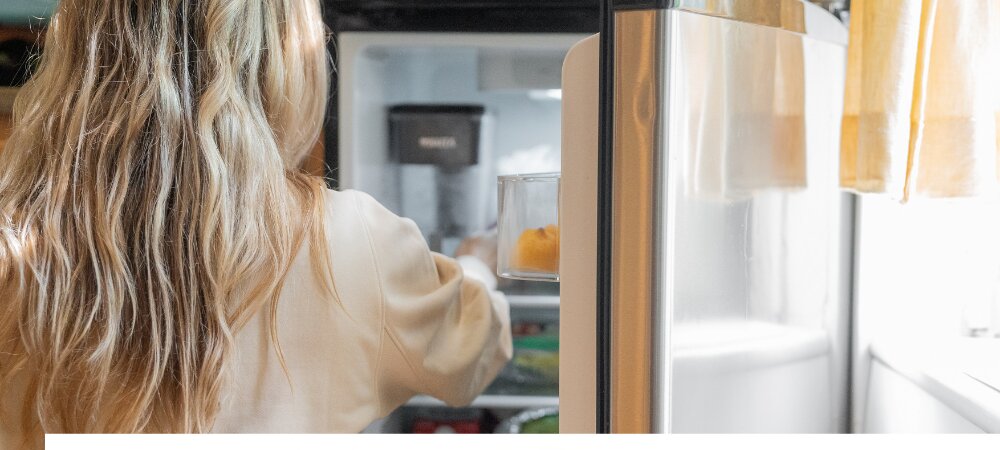
A widespread misconception in non-scientific forums claims that fridge drying compromises product purity due to refrigerant gases penetrating the buds. Some users even report better results with static systems for this reason. From a thermodynamic and industrial physics standpoint, this is a complete myth.
Modern refrigerators use standardized refrigerants such as isobutane (R600a) or tetrafluoroethane (R134a). These fluids circulate inside a sealed copper/aluminum loop that is hermetically closed by factory welding.
The compressor pushes the gas through this closed circuit, while the internal air only passes over external metal surfaces to exchange heat. No matter transfer occurs between refrigerant and air. Therefore, refrigerant gases never come into contact with the internal chamber or the flowers.
If a micro-leak occurred, pressure would drop immediately and the refrigerator would stop functioning entirely within hours.
The real reason some growers prefer static systems is speed control. In No-Frost systems, air movement accelerates gas exchange; if buds are not properly protected inside paper bags, they may develop case hardening (outer layer dries too quickly while internal moisture remains trapped). Static systems slow this process dramatically, simulating a very long cure—but at the cost of significantly higher mold risk.
The condominium stealth protocol: odor management in garages
If cold drying is performed inside a refrigerator placed in a condominium garage, discretion must be absolute. Even though low temperatures reduce terpene volatility, a No-Frost system still moves large volumes of air, and tiny aromatic traces can escape through drainage vents or gasket micro-leaks, accumulating in the enclosed space.
To prevent any issues, a multi-layer filtration system is required.
Level 1: deep sanitation of the refrigerator (eliminating “cellar smell”)
If the fridge has been stored unused or in humid environments, it will carry a stale or moldy odor. Cannabis flowers act as molecular sponges and would immediately absorb these smells.
- Fully empty the appliance and leave it open for 48 hours for complete internal drying.
- Scrub all surfaces using a paste of pure sodium bicarbonate and a few drops of water.
- Rinse with a solution of white vinegar and warm water to neutralize bacteria and fungi.
- Place a bowl of dry coffee grounds inside, close the door, and run the fridge at maximum power for 24 hours to absorb residual odors.
Level 2: forced internal filtration with activated carbon
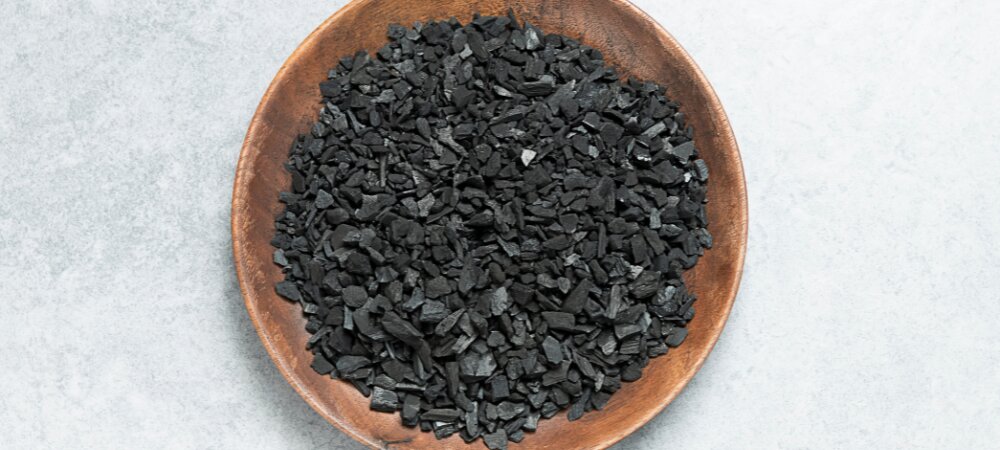
To eliminate odors at the source, internal air must be continuously purified. A high-grade activated carbon such as Carbomax Pro is used.
This material has an extremely high surface area and a porous structure capable of trapping volatile organic compounds.
Airflow is forced through a nylon sleeve filled with carbon granules placed over the main ventilation outlets. As air passes through, odor molecules are trapped via adsorption, leaving internal air almost completely odor-free (up to 99%).
Level 3: mechanical shielding and invisible monitoring
Total environmental protection is based on a layered containment system that develops from the inside to the outside of the appliance.
Inside the refrigerator, flowers are placed in double-layer raw kraft paper bags, which act as the first physical barrier for gas exchange. Any air that manages to pass through this wrapping is immediately intercepted and treated by the activated carbon sleeve installed on the ventilation outlets, preserving trichome integrity.
At the level of the magnetic door gaskets, micro air leaks caused by pressure fluctuations are contained as much as possible. On top of the refrigerator, an ONA Gel Linen neutralizer is activated using a perforated lid, creating a permanent odor-control barrier in the garage capable of neutralizing any residual volatile molecules.
To optimize safety, a compact thermo-hygrometer with Bluetooth or Wi-Fi connectivity (such as the Xiaomi Mijia 2 with integrated Sensirion sensor) is placed inside one of the sample bags. By connecting it to the app, it becomes possible to monitor temperature and humidity trends remotely without opening the fridge. As long as values remain stable within the ideal range of 55–62%, the refrigerator must not be opened. Fewer openings mean zero odor leakage and perfect thermal stability.
Additionally, a small piece of universal kitchen hood carbon filter can be used to seal the drainage tube outlet located at the rear of the fridge above the compressor. This blocks the only direct pathway for internal air exchange with the garage environment.
Level 4: external safety barrier (ONA Gel system)
As the final line of defense in the garage, a 400 g jar of ONA Gel (Linen fragrance) is used. ONA Gel is not a masking scent but a broad-spectrum chemical neutralizer that binds to volatile organic compounds and eliminates their odor structure.
The Linen fragrance is particularly suitable for residential environments because it resembles clean laundry, a neutral and socially acceptable scent.
ONA Gel management protocol for maximum efficiency
Hardware troubleshooting: No-Frost icing issues in summer
A common problem reported in forums such as THCFarmer involves older No-Frost refrigerators installed in garages that unexpectedly begin accumulating ice on vents or internal walls during summer months, blocking airflow.
If this occurs during Lotus Curing, the process fails: warm, humid air infiltrates through worn seals, and when it reaches the 5°C cooling vents, it freezes instantly. This creates ice buildup that blocks airflow and forces humidity levels up to dangerous levels (~90% RH), leading to rapid mold development.
Three main causes of summer failure
- Wear of the magnetic door seals: In summer, the air outside the garage is warm and saturated with humidity. If the refrigerator door gaskets are hardened, dirty, or deformed, microscopic invisible gaps can form. Warm, humid air is drawn inside the fridge due to pressure differences. As soon as it reaches the cold vents, the moisture condenses and freezes instantly, gradually building up into a solid ice block that obstructs the airflow vents.
- Internal drain hole blockage: The drainage channel that carries defrost water to the external tray can become clogged with dust, debris, or mineral deposits. The water produced during the automatic defrost cycle cannot flow out, stagnates at the bottom of the channel, and freezes during the next cycle, eventually blocking the entire system.
- Failure of the defrost heater or sensor (defrost timer): If the electronic component responsible for triggering the defrost cycle every 8 hours is malfunctioning, the refrigerator continues cooling without ever removing built-up frost. This frost progressively turns into a permanent ice block.
Deep Defrost recovery protocol (before use)
Commercial technological evolution: the Cannatrol phenomenon
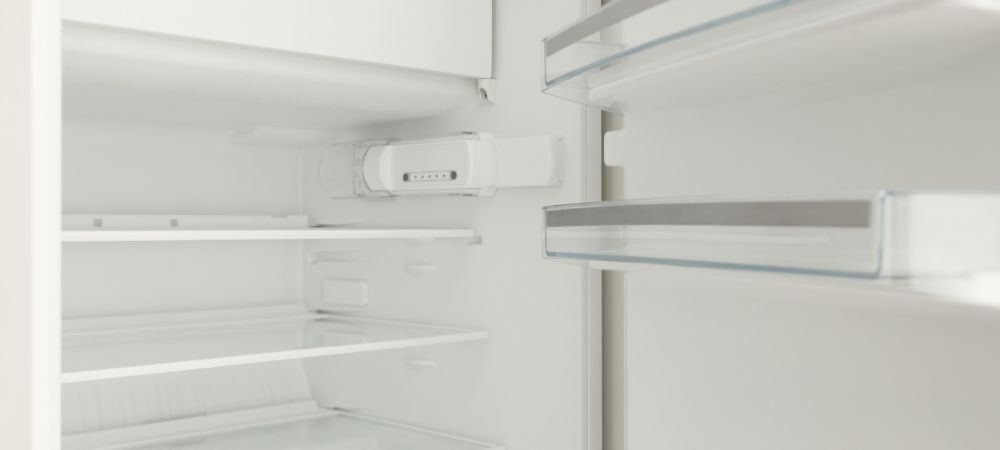
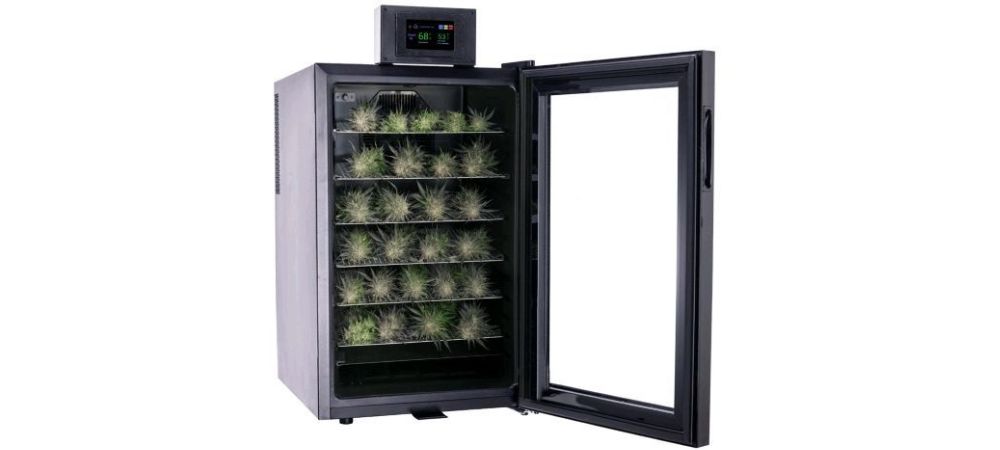
For professional growers, dispensaries, or enthusiasts who do not accept the operational compromises linked to converting a household refrigerator, the market has developed native, industrial-grade hardware solutions. The absolute benchmark in this sector, widely discussed and praised on channels such as High Times and ICMag, is the Cannatrol Cool Cure.
While a modified No-Frost refrigerator operates through the compressor’s mechanical on/off cycles, generating inevitable relative humidity fluctuations in the range of 5–8% with each shutdown, the native Cannatrol system adopts the patented Vaportrol technology. This enables linear and constant VPD control, with micrometric precision capable of stabilizing vapor pressure within minimal tolerances of 0.01 kPa, eliminating any hygrometric spikes harmful to trichomes.
What is the Cannatrol and how does it work?
The Cannatrol is not a simple modified refrigerator, but a microprocessor-based environmental conditioning unit built on patented Vaportrol® technology. Unlike a domestic No-Frost refrigerator, the Cannatrol regulates internal conditions by acting directly and linearly on vapor pressure.
The system does not use aggressive traditional compressors to extract humidity, but instead relies on solid-state cooling plates coupled with precision sensors that continuously calculate the dew point and VPD in real time. The device maintains temperature and humidity stabilized within infinitesimal tolerances (fractions of a degree and decimal percentage points).
Technological advantages compared to DIY Lotus Curing
- Complete elimination of paper containers: Inside the Cannatrol, flowers are placed directly on food-grade stainless steel metal racks, completely bare. Paper bags are not needed because the machine does not generate sharp airflows capable of causing Case Hardening.
- Algorithmic programming of phases: The software allows customized cycle settings. For example, it is possible to program a Drying phase at 14°C with a specific VPD for 6 days, followed by an automatic transition into a Curing phase at 16°C with a targeted VPD for another 10 days, and then switch to Storage mode (indefinite preservation).
- Structural preservation of the flower: Since the flowers do not need to be shaken or handled inside bags, the geometric structure of the calyces and the integrity of the trichome heads remain 100% intact, avoiding resin detachment caused by mechanical friction against paper.
- Absence of odor emissions: The unit is hermetically sealed with industrial pressure-lock systems and is equipped with a native filtration compartment that completely eliminates the system’s odor signature.
Cost/benefit analysis
Cannatrol represents absolute excellence, but it involves a significant financial investment (list price well above €2,000). For a home grower, a properly converted Samsung No-Frost refrigerator using the Carbomax Pro + ONA Gel protocol described in this guide can achieve, from a chemical and analytical standpoint (preservation of terpenes and chlorophyll degradation), results comparable at 90–95% to the professional machine, with vastly lower implementation costs.
And this article on Cannabis lotus curing ends here. We hope it’s been helpful in choose a best drying method for your next grow. See you in the next update!
Greetings from the Annibale Seedshop Team!
Davide V, CEO, Founder & Geneticist