The Best Substrate for Growing Cannabis: Macrobiotic Technical Guide
Welcome everyone to the new chapter of the Annibale Seedshop & Genetics blog dedicated to the physics and biology of the rhizosphere!
In the previous article, we analyzed the structural differences between Pot Cannabis Cultivation VS Hydroponics, observing how the choice of activation medium conditions the development of the root mass, both for marijuana and for intensive cultivation of chili peppers or elite vegetables.
Today we go further. We abandon simplifications to enter the beating heart of soil and inert media. We will analyze every single substrate through the lens of porosity, Cation Exchange Capacity (CEC), water management, and the microbiome.
If you want to stop suffering from nutrient lockouts and want to learn how to structure a perfect growing medium, this is the pillar guide you have been looking for!
Is Soil Really the Best Substrate for Growing Hemp?
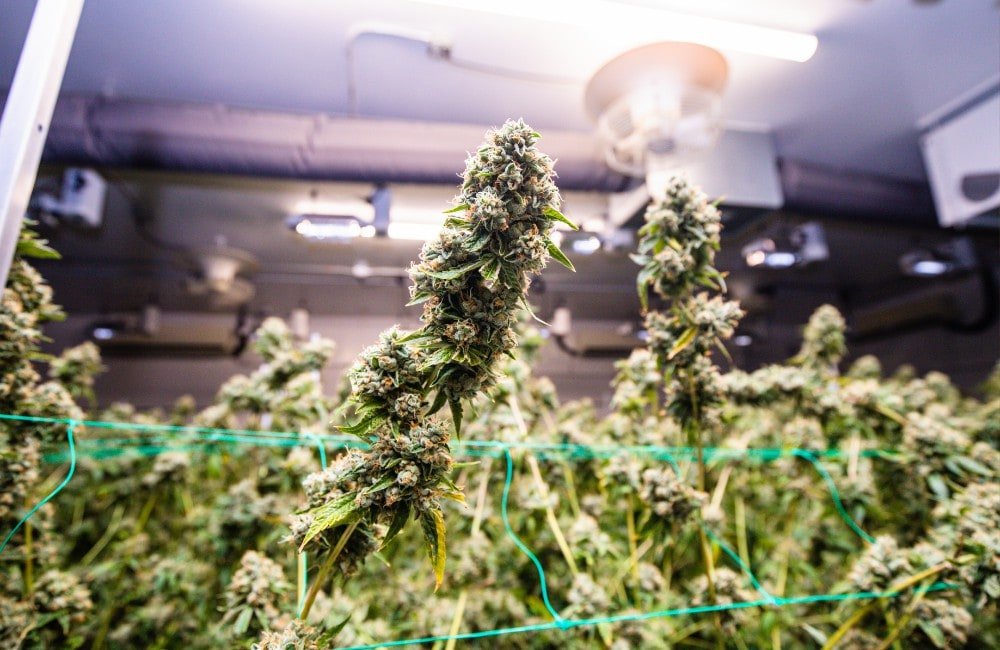
Potting soil (or soil) is historically the universal starting point. It is the most natural, biologically active, and forgiving medium regarding grower calculation errors. But is it truly the absolute king for Cannabis?
The “Buffer” Factor for Beginners and Experts
The primary characteristic of a high-quality potting soil is its buffering capacity. Unlike pure inert systems, soil contains colloidal complexes (clay and humic matter) capable of gradually absorbing and releasing hydrogen ions and nutrient elements. This means that if you make a small dosage mistake with fertilizers or irrigate with a slightly off-focus pH, the soil will compensate for the anomaly before it reaches the root hairs, saving your harvest from an osmotic lockout.
Physical Limitations: The Danger of Compaction
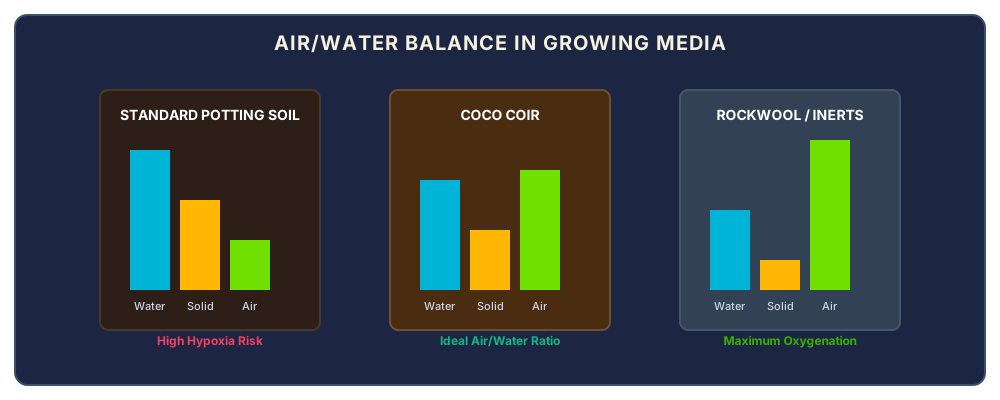
An unsuitable, heavy, old, or structural-inert-deficient soil faces a lethal phenomenon: root asphyxiation (hypoxia). When you water soil that is too compact, the water completely displaces oxygen from the micropores. Deprived of oxygen, Cannabis roots stop breathing, halting the production of ATP (cellular energy) and paving the way for attacks from ruthless pathogens like Pythium and Phytophthora.
To make a soil-based mix effective, we at Annibale always recommend breaking up the compactness by combining active organic elements and mineral amendments capable of preserving soil fluffiness over the long term.

Coco Coir: The Modern King of Hydro-Organic Cultivation
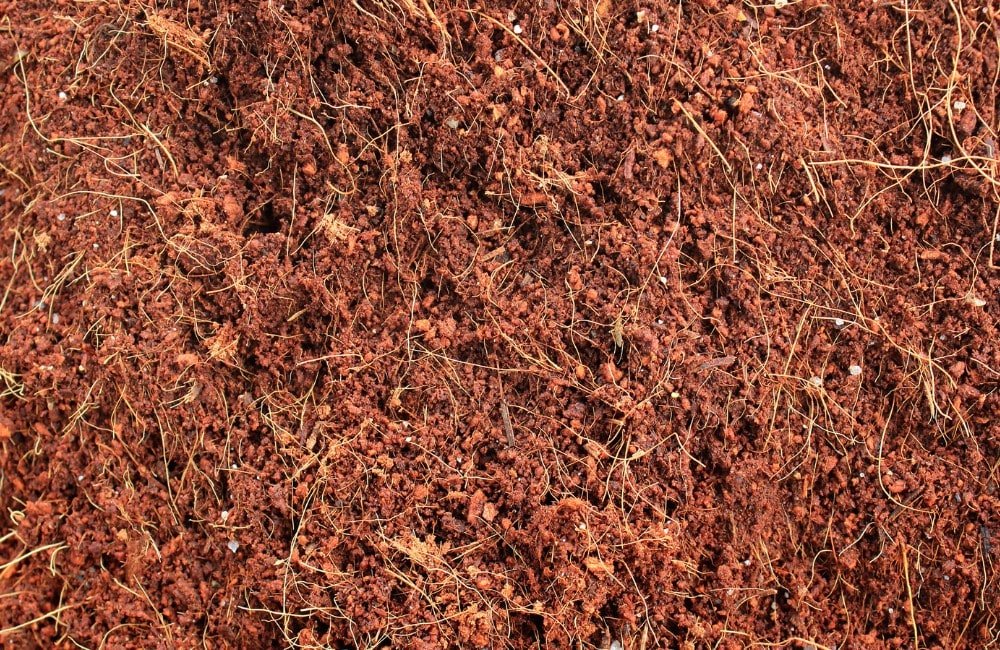
If you ask the Annibale Seedshop Team which single substrate is the most efficient and top-performing in the contemporary landscape, the answer is unanimous: Coco Coir. This plant medium, obtained from shredding and processing the mesocarp of the coconut, combines the visual familiarity of soil with the growth speed typical of pure hydroponics.
Hydraulic Dynamics and Root Density
Coco coir possesses exceptional internal air porosity (often exceeding 30%). Even when the coco is completely saturated with water, it maintains an oxygen percentage high enough to prevent root asphyxiation.
- Fine grade: A very small fragment increases the specific surface area, retaining less free water between the fibers. The substrate dries out at an accelerated rate, forcing you to increase watering frequency. This dynamism allows you to feed the plant much more often, accelerating vegetative metabolism.
- Coarse grade (Chips): Larger fragments hold stable pockets of moisture. This guarantees a thermal and hydrological safety net, preventing the roots from undergoing dehydration shock between watering cycles.
Volumetric Savings: The 11L VS 5L Ratio
Thanks to the rapid penetration and the absence of mechanical resistance, roots in coco colonize the space with a microscopic density three times higher than in soil.
The Annibale Proportion: A root system that requires an 11-liter pot of traditional soil to develop to its full potential can thrive with the same performance in just 5 liters of well-managed coco coir. This translates into immediate financial savings on purchase volumes, physical space in the grow room, and the effort of handling heavy weights.
Furthermore, coco naturally contains plant hormone precursors and lignin—elements that stimulate root development and increase systemic resistance to pathogenic fungi, a chronic issue with synthetic substrates used in aero-root setups or classic hydroponics. If you purchase loose coco or compressed bricks, remember that rehydration and preventive rinsing (buffering) are mandatory steps to eliminate residual sodium and potassium salts native to the fiber.
Worm Castings and Bat Guano: The Organic Energy Island
An inert substrate or an unfertilized soil needs biological engines to activate slow-release organic nutrition. This is where the best organic amendments found in nature come into play.
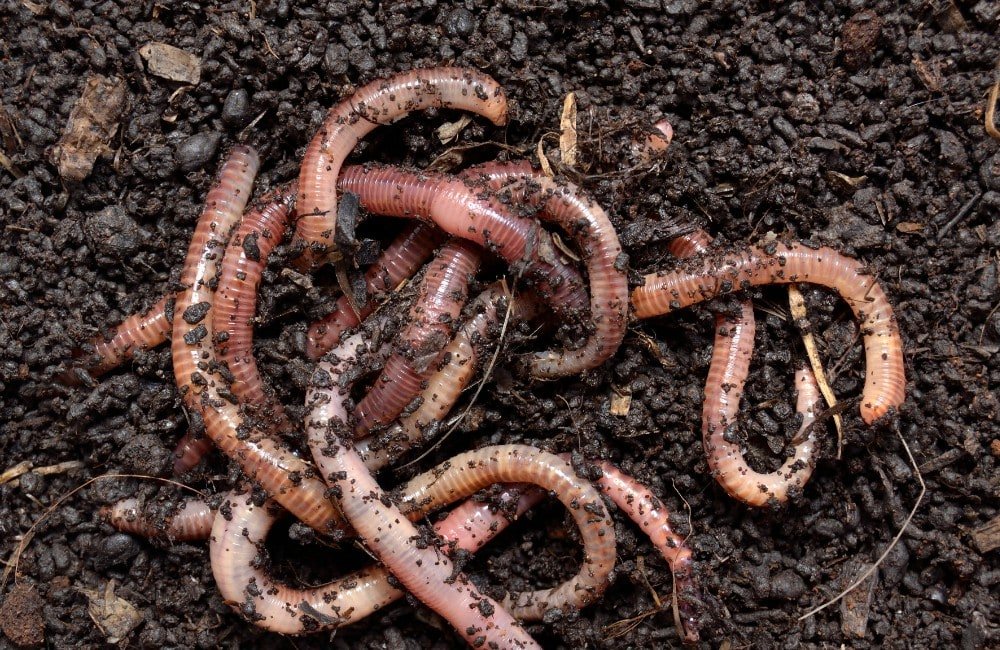
Worm Castings (Vermicompost)
Humus is the black gold of organic cultivation. It performs irreplaceable structural and chemical functions:
- pH and Calcium Stabilization: Thanks to the presence of calcium carbonate secreted by the earthworm’s calciferous glands, humus acts as a natural stabilizer for the rhizosphere’s pH.
- Structural Improvement: It increases the Cation Exchange Capacity, acting as an electrochemical sponge that retains liquid fertilizers, preventing leaching, and releasing them only when the plant requests them via root exudates.
Bat Guano: The Chemistry of Origin
Not all guano is the same. Its chemical composition is linked to the bats’ diet and the geological age of the cave deposit:
- Insect Guano (Fresh): Extracted from insectivorous bat colonies. It features a very high organic Nitrogen rate, ideal for supporting the vegetative development stage and building the leaf structure.
- Fruit Guano (Fossilized): Extracted from frugivorous bats. It is an excellent natural source of slow-release Phosphorus. Being fossilized, the chemical bonds take time to be broken down by the microflora, ensuring constant nutrition throughout the flowering phase.
The Annibale Advice: To maximize the effectiveness of these amendments, always integrate them with pure strains of Mycorrhizae (1 or 2 tablespoons per 10 liters of mix). The fungal symbiosis will extract the bound phosphorus from the guano and coordinate the absorption of humic and fulvic acids from the humus, protecting the plant during periods when you cannot water consistently.

Rockwool and Oasis Cubes: The Masters of Inert Hydroponics
When the target is not organic cultivation but the millimetric control of millisiemens (EC) and nutritional curves, synthetic mineral media represent the industrial standard.
Rockwool and Acid Conditioning
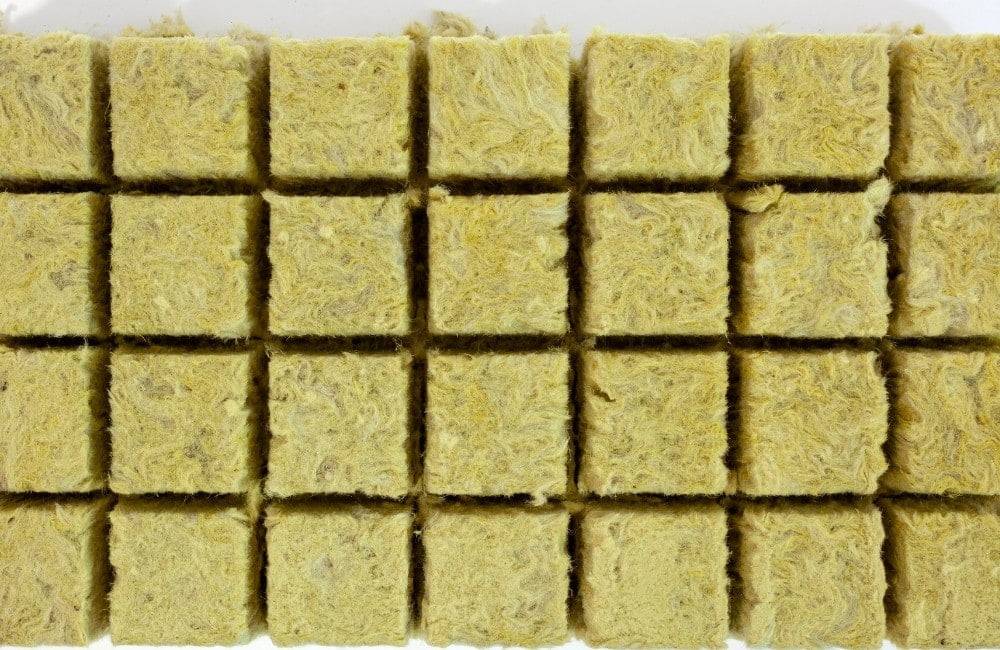
Rockwool is obtained by melting basaltic rock at very high temperatures, spun into soft fibers and compressed into blocks or cubes. It is a sterile, nutrient-free, and totally inert substrate, ideal for seed germination and cloning, but also usable for the plant’s entire life cycle.
- Native pH Management: Due to its chemical nature, rockwool has an unstable alkaline pH (often above 7.0-7.5). Before placing a seed or cutting into it, conditioning is vital: the block must be soaked for 24-48 hours in a water solution adjusted to pH 5.5 to stabilize the internal mineral bonds.
- Sterilization and Reuse: At the end of the cycle, rockwool can be recycled by removing the old roots and baking it in an oven for about two hours at 90°C to eliminate any trace of fungal spores or harmful bacteria.

Oasis Cubes
Oasis Cubes are composed of an open-cell phenolic foam. They offer mechanical performance similar to rockwool but boast superior water retention homogeneity. They must be completely saturated before use to avoid dehydrating air pockets and represent the choice of preference for automated ebb-and-flow or NFT hydroponic systems.
Draining and Corrective Mineral Aggregates
As mentioned earlier, optimal management of water flows and root oxygenation requires the use of specific minerals. We have dedicated an extensive and exhaustive monographic discussion to these three essential components: to discover their expansion coefficients and chemical washing cycles in detail, we refer you to our reference guide, Guide to Using Perlite, Vermiculite, and Expanded Clay in Substrates.
Here is a microscopic summary of their cardinal functions within mixes:
- Perlite: Volcanic silica rock expanded at high temperatures. It is an ultra-lightweight material, highly useful for breaking up soil bonds and increasing the drainage of excess water.
- Vermiculite: Hydrated silicate of aluminum, iron, and magnesium. Unlike perlite, it has high water retention capacity and holds nutrients within its laminar structures, releasing them in a targeted manner.
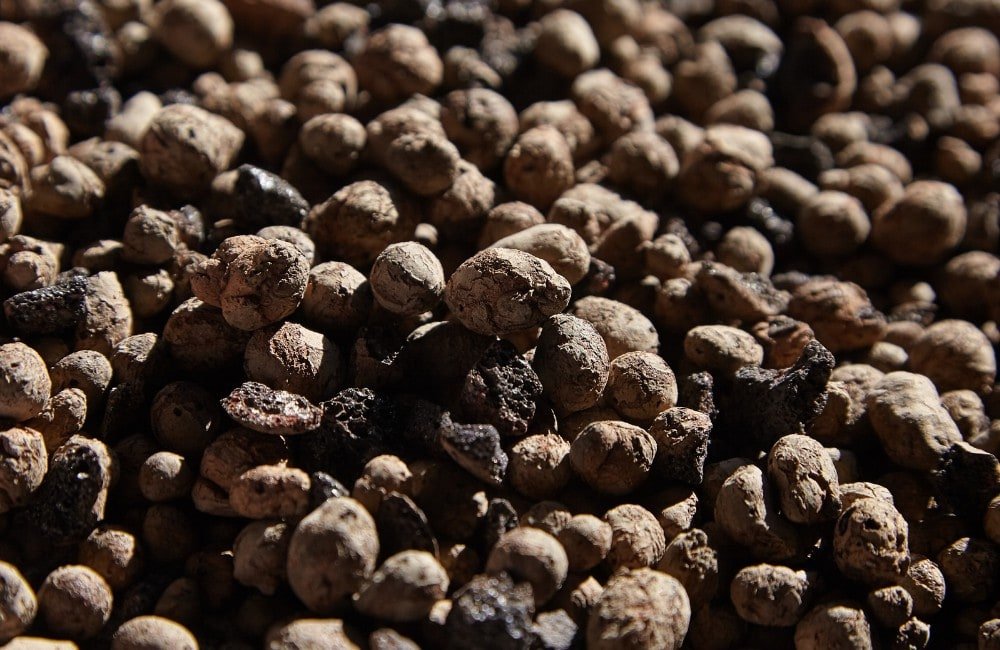
- Expanded Clay: Small, stable pebbles with a neutral pH, ideal for structuring the bottom of pots or as a fixed support medium in high-oxygen, pure hydroponic systems. To safely reuse it, soak it in a solution of 4 liters of water with 10 ml of hydrogen peroxide to sterilize the entire porous structure.
Perlite in Hemp Cultivation
Perlite is a particular silica rock of volcanic origin with high water retention, rich in silica, which expands when heated to high temperatures and takes on the commonly known form. Thanks to its porosity, it is a lightweight material capable of holding a large volume of water with excellent aeration properties.
You can use it alone or with coco coir and soil. In fact, combining perlite and coco coir improves the consistency and drainage of the substrate.

Vermiculite as a Substrate Amendment in Cannabis Cultivation
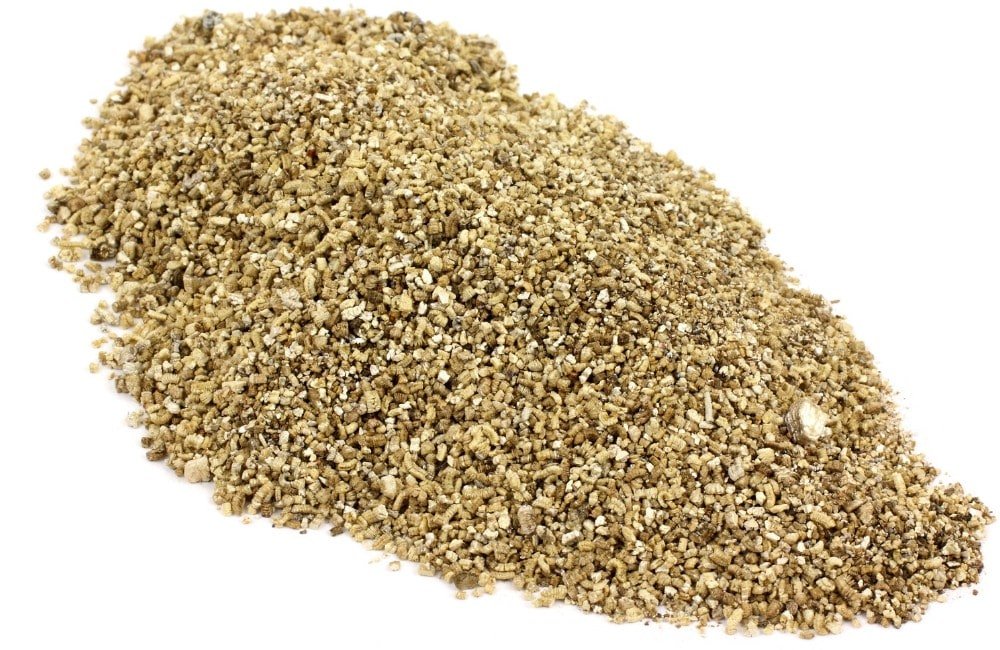
Vermiculite is among the hydrated laminar minerals, i.e., aluminum-iron-magnesium silicates. It makes it possible for nutrients to always be available to plants when they need them. Thanks to its structure, adding it to the substrate ensures optimal water retention, thereby increasing the capacity to hold nutrients.
You will achieve amazing results even when used alone!
The Role of Peat Moss: Blond, Brown, and Black
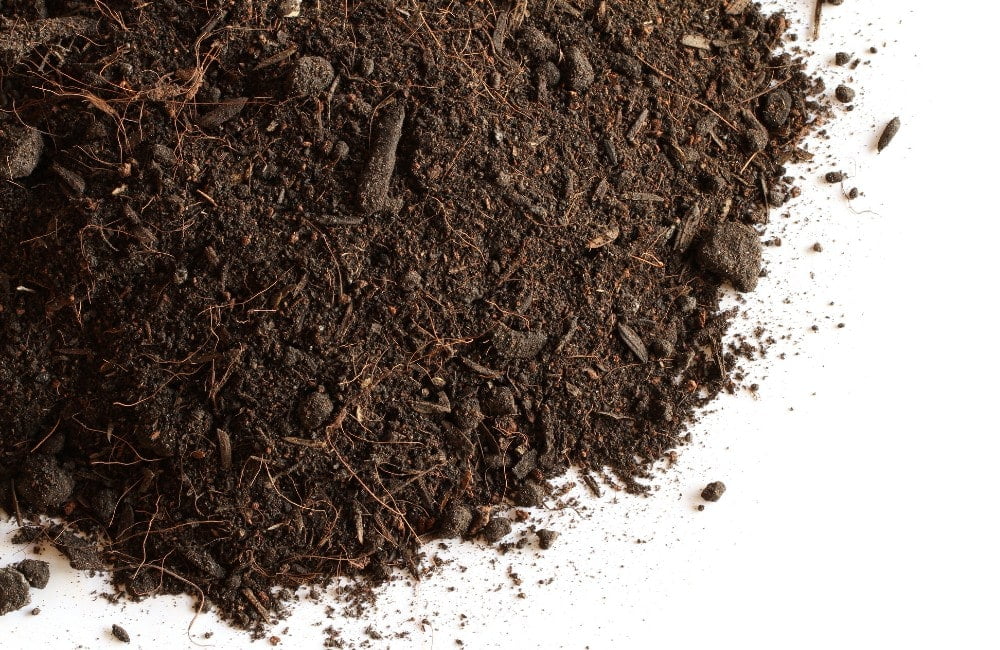
Peat moss forms the organic backbone of nearly all commercial cannabis potting soils. It derives from the fossilization and partial carbonization of plant residues (mainly sphagnum mosses) within water-saturated, oxygen-free environments (peat bogs). The classification is based on the level of decomposition and the geological age of the deposit:
- Blond Peat (Sphagnum): This is the structural fraction located in the upper layers, the simplest and least decomposed. It is extremely fibrous, has a naturally acidic pH (3.0-4.5), and boasts exceptional water capacity, capable of holding up to 800 times its own volume in water. It ensures maximum fluffiness in the mix.
- Brown Peat: Represents the intermediate stage of decomposition. It has a denser molecular structure, retains less water than blond peat, but offers a significantly higher content of stabilized humic acids.
- Black Peat: This is the oldest and deepest fraction, having reached an advanced stage of decomposition. Very compact, it has minimal air retention but a very high density of carbon and stable mineral complexes. It is used in small percentages to give body and chemical stability to long-term mixes.
The Perfect Substrate: The Master Recipe of Team Annibale
Many professional growers prefer to avoid pre-packaged commercial products: high logistics costs inflate their final price and, above all, they do not guarantee absolute control over the individual physical and chemical percentages required by an elite grower.
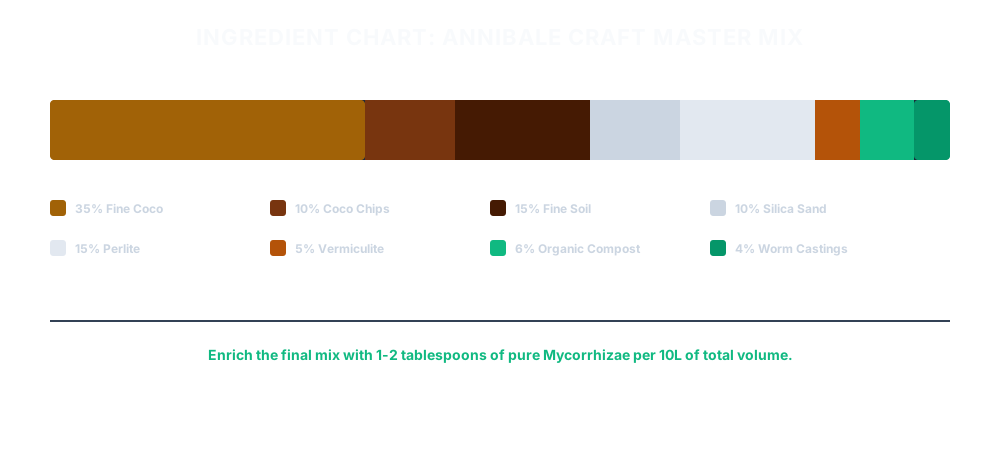
After years of genetic testing in our laboratories, here is the definitive formulation developed by Annibale Seedshop for a perfect universal substrate, balanced between capillarity, biological nutrition, and root aeration:
- 35% Fine-grade Coco Coir (Hydroponic boost and rapid rooting)
- 10% Large-grade Coco Coir (Chips) (Water reserve and macroscopic porosity)
- 15% Fine Soil (Selected blond/brown peat) (Structural buffering capacity)
- 10% Washed Silica Sand (Drainage and mechanical stability)
- 6% Aged Organic Plant Compost (Activation of the nitrogen cycle)
- 15% Perlite (Ultra-lightweight anti-compaction inert)
- 5% Vermiculite (Cation-exchange hydro-nutritive accumulator)
- 4% Purest Worm Castings (Enzymatic precursors and colloidal calcium)
- + Powdered Mycorrhizae (1 to 2 heaping tablespoons per every 10 liters of total mix)
FAQ: Frequently Asked Questions on Cannabis Substrates
Can I reuse the soil from a previous harvest for a new cycle?
Generally speaking, doing so directly is discouraged. Used soil has suffered drastic nutrient depletion, exhibits a broken-down physical structure compacted by old roots, and could harbor pest spores or toxic salt buildups derived from old fertilizers. If you wish to regenerate it, you must sift it to remove the old root mass, flush it thoroughly to reset the electrical conductivity (EC) to zero, and subsequently reactivate it by mixing in 20% fresh worm castings, new draining amendments, and organic microbial inoculants.
Why does the pH of coco coir tend to fluctuate more easily than soil?
Coco coir has a much lower and more selective Cation Exchange Capacity (CEC) compared to a potting soil rich in clay and dark peat. Lacking heavy colloidal complexes, coco has no native chemical buffering capacity. Consequently, the rhizosphere pH will adjust almost instantaneously to the pH of the nutrient solution you pour into the pot. Those growing in coco must monitor the pH of every single watering with utmost hydroponic precision.
What is nutrient “Lockout” and how is it caused by an incorrect substrate?
Lockout (or nutrient block) occurs when the plant’s roots can no longer absorb certain minerals, even though they are present in the substrate. This phenomenon is primarily caused by two medium-related factors: an incorrect pH (which alters the ionization state of elements, making them insoluble) or an excessive buildup of mineral salts (too high substrate EC) resulting from insufficient drainage. In both cases, the roots undergo reverse osmotic stress, causing them to wither.
Is it preferable to spread a layer of expanded clay at the bottom of the pot even if I use an organic super-soil?
Yes, it is a time-tested and highly protective practice. A layer of about 2-3 cm of expanded clay (properly washed and stabilized at a neutral pH) at the bottom of the pot prevents irrigation water from stagnating near the drainage holes. Stagnation at the bottom creates a perennial, oxygen-deprived hydration zone that rots the deepest root tips, compromising the plant’s overall efficiency.
Do Oasis Cubes alter the final flavor of the inflorescences compared to soil cultivation?
No substrate directly alters the terpenic profile or flavor of Cannabis. Flavor, aroma, and combustion purity depend exclusively on the grower’s nutrient management and, above all, on executing a perfect final flush (flushing) during the last two weeks of the plant’s life. Inert media like Oasis Cubes or rockwool retain very few residual salts compared to soil, making the final flush much faster, cleaner, and more efficient.

And that is all for this chapter on the best substrate for growing Cannabis!
Keep following our Cultivation blog for the new chapter regarding the germination phase of the Cannabis plant. Until next time!
Davide, CEO Founder & Geneticist