Botrytis & Mold Resistant Cannabis Genetics (Updated 2026)
How to Choose Mold and Botrytis resistant Cannabis strains (and Stop Throwing Away Months of Hard Work’s Worth of Weed)
Welcome to this new chapter on botrytis-resistant cannabis genetics (mold-resistant strains), directly from Annibale Seedshop’s blog.
Today we’re talking about the true kingpin of European outdoor growing: botrytis (Botrytis cinerea), aka “the gray mold that’s most capable of breaking hearts at the end of summer“.
If you grow outdoors in Europe, especially in the North or Center, the question you should ask yourself isn’t “Will my weed plants get mold?” but rather “How much can I limit it?“
And this is where something almost everyone underestimates comes into play: choosing the right genetics is more than half the battle.
The truth that many marijuana growers don’t know
Not all cannabis strains react the same way to humidity and pest infestations.
In fact, some marijuana strains:
- Rot internally and then “stretch like mozzarella”
- Become irreparably infected from the first rainstorm
- Develop mold inside the buds without any warning signs
On the other hand, other cannabis strains:
- Dry out the biomass faster than other strains
- Breathe and transpire better
- Also resist VPD, indoor microclimates, and environmental parameters with high relative humidity
- Complete the flowering cycle before disaster strikes (especially if grown outdoors in open soil)
This difference isn’t just luck, but pure, careful genetic selection.
What is botrytis? How does it behave?
Botrytis is a particular type of mold that is very common, especially in humid grow tents without a suitable indoor dehumidifier. This particular fungus:
- Loves and thrives in environments where relative humidity is above 60%
- Loves still, stale air
- Loves dense plant tissue
- It often attacks from overly moist substrates, targeting the crunchy interior of buds!
And no, by the time you see it outside with the naked eye, well… it’s already too late.
Its development is therefore strongly correlated with flower density, morphological and genetic characteristics, environmental humidity, and natural ventilation.
Why some strains rot and others don’t
This is where the slightly nerdier breeder part comes in, but it’s very useful for better understanding how indoor molds affects grows.
Cannabis strains that are resistant to botrytis generally have:
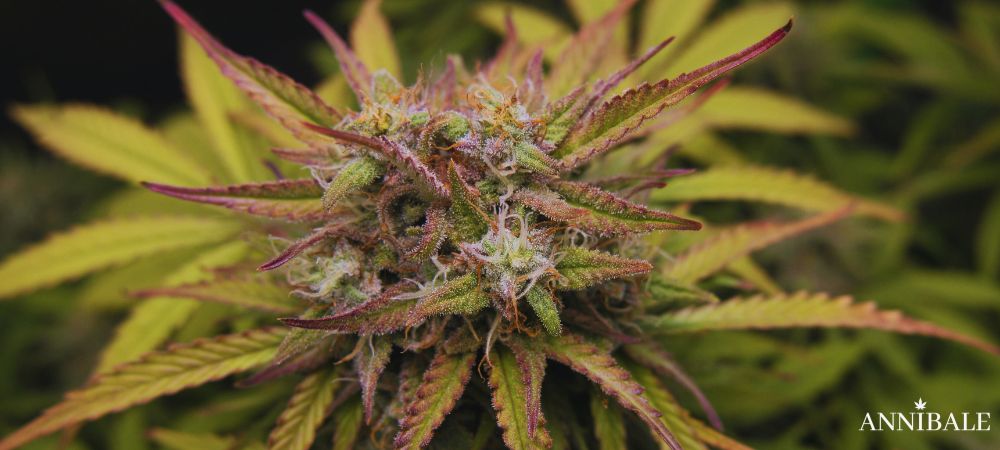
- Less dense and airier buds
- Longer internodal spacing
- Candelabra or pine-like structure
- Thicker leaf cuticle
- Fewer weeks of flowering
- Natural antifungal terpenes (pinene, limonene, caryophyllene)
Conversely, the marijuana strains most at risk are:
Beautiful… very resinous. But in an outdoor grow during a particularly humid season… these most powerful cannabis genetics literally turn into mold sponges.
The 2 families of botrytis-resistant cannabis strains
1) Skunk family
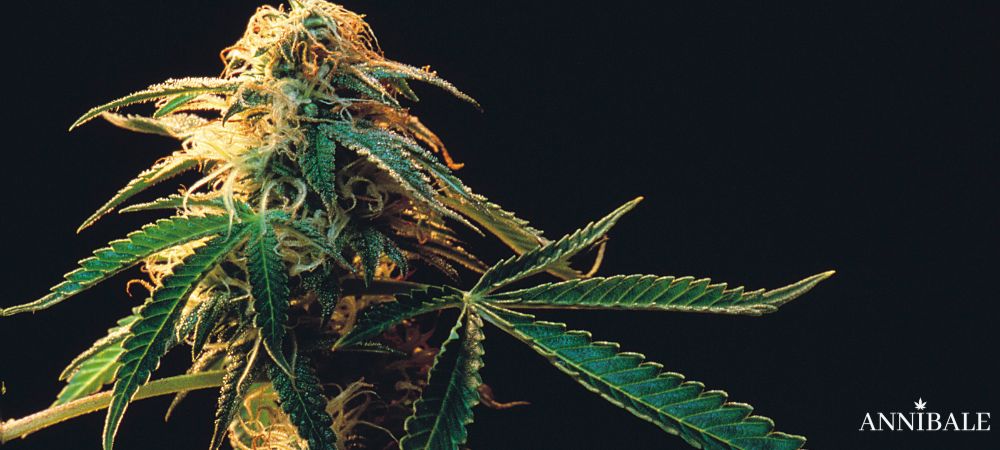
Oldschool Skunk strains are among the mold’s most resistant on the global cannabis seed market.
In fact, these hemp strains are perfect for mold and botrytis because they have:
- Medium-sized, airy buds that aren’t too compact
- Robust and vigorous structure
- Fast final flowering cycle
- Genetics bred in humid climates
5 Mold Resistant Skunk Strains:
2) Haze Family
On the other hand, true sativas from the original Haze strains:
- Do not produce buds with the classic “golf ball” consistency
- Dry more quickly from rain
- Tolerate high nighttime humidity well
- Develop greater resistance to rooting and the proliferation of mold within the buds
5 Mold-Resistant Haze Strains:
Durban Poison is often cited as an outdoor strain resistant to humid and challenging climates.
Modern Mold Resistant Autoflowering Strains
Next-generation automatic genetics have made enormous strides over the past two decades.
In fact, the best autoflowering cannabis strains:
- Finish before the start of the autumn rainy season
- Have a more open and less compact morphological structure
- Drastically reduce the risk of mold
Best Mold-Resistant Autoflowering Strains:
- OGKZ Autoreg
- Bruce Banner Auto
- Gorilla Glue Autoreg
- Green Poison XL Auto
- Papaya Autoreg
- Cream Mandarine Auto
On GrowDiaries, many modern autoflowering strains show much lower mold rates than slower photoperiod strains.
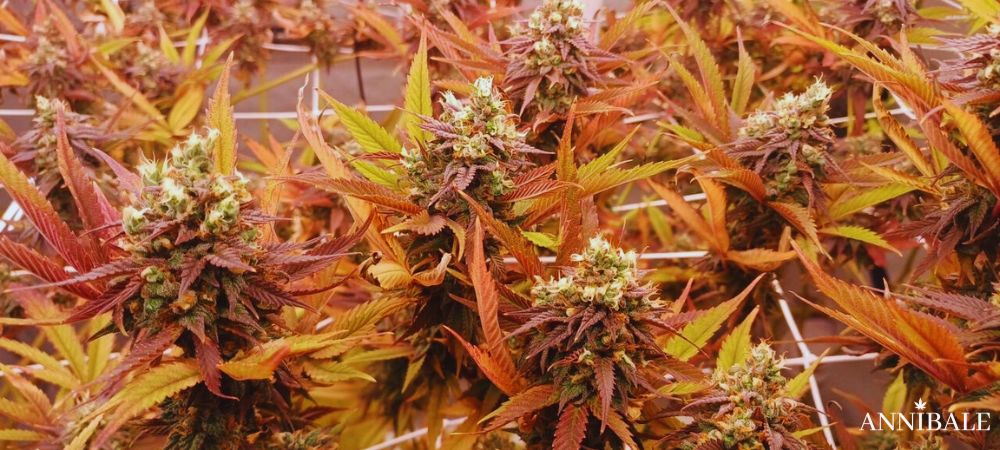
The 10 Most Reliable Anti-Botrytis Strains in 2025 – 2026
To recap, if you want to be on the safe side when growing outdoors in Europe (or northest and coldest countries in the world):
- Jack Cloudwalker
- Frisian Duck
- Amazing Jack
- Desfran
- Panama x Malawi
- Jack Herer
- Super Skunk
- Thai A5 Haze
- Mango Autoreg
- Bruce Banner Auto
In fact, these anti-Botrytis and anti-mold cannabis strains combine:
- Resistance to weather, humid climates, infestations, and mold
- Decent but not high yield
- Cannabinoid potency
- Clean but not perfect aromatic profile for gourmet connoisseurs
- End of flowering period compatible with the Italian climate
How to recognize a “mold-prone” strain before planting it
If when you buy cannabis seeds the genetic data sheet says:
- Very compact and dense buds
- Extremely appetizing bag appeal
- Short and stocky Indica structure
- Flowering 8–10 weeks
- Cookies, biscotti, sherbet parental lineage
→ Warning sign.
This doesn’t mean these strains can’t be grown outdoors or in humid, cold climates, but rather:
- You should expect various growing problems
- You’ll need to intervene with pruning, defoliation, covering for rain, and natural airflow
The breeder’s trick: cross dessert strains with botrytis-resistant strains
Now and then, we want to give you a breeder’s tip.
Many professional European and American breeders do exactly this:
- They take a dessert strain with excellent morphological characteristics
- They cross it with a botrytis resistant and mold resistant weed strain like those mentioned above
They cultivate them and select only the phenotypes that:
- Retain the sweet aroma of the best dessert strains
- But breathe better
- And are more resistant to high humidity
This is how mold-resistant strains are born.
Checklist of mold resistant Strains
If you want to grow cannabis outdoors in cold, humid places, or you want to grow marijuana indoors and sleep soundly:
- Choose marijuana strains that flower within 9 weeks
- Avoid strains with dense buds
- Try to favor a more open morphological structure
- Focus on Skunk or Haze cannabis families
- In the North: consider F1 Fast or Autoflowering
- Ignore the hype from the world of top growers, focus only on the plant’s structure

Botrytis resistant and mold resistant strains: in conclusion…
Mold isn’t just bad luck, but poor genetic selection by the grower.
Therefore, you can have:
- the best light for growing
- the best growing soil
- the best water and type of fertilizer
but if you plant a Biscotti in the North Netherlands in May… you’re just growing premium mold.
In 2026, those who choose botrytis resistant and mold resistant strains will reap the benefits. The others… take sad photos of brown buds on Telegram groups.
And this article on the best botrytis resistant strains ends here. We hope we’ve been helpful in organizing your mold-safe grow together. See you in the next article!
Greetings from the Annibale Seedshop Team!
Davide V, CEO, Founder & Geneticist