The Ultimate Guide to Living Soil & Compost Tea
In the landscape of modern cannabis cultivation, we are witnessing a clear paradigm shift. After decades of dominance by synthetic chemistry and sterile hydroponic systems, the most discerning growers on the planet are returning to their roots—but with a completely new scientific understanding. The ultimate expression of this back-to-the-future movement is Living Soil.
Growing in living soil does not simply mean “using an organic potting mix”; it means recreating a fully self-sustaining ecosystem inside a container. Here is everything you need to know.
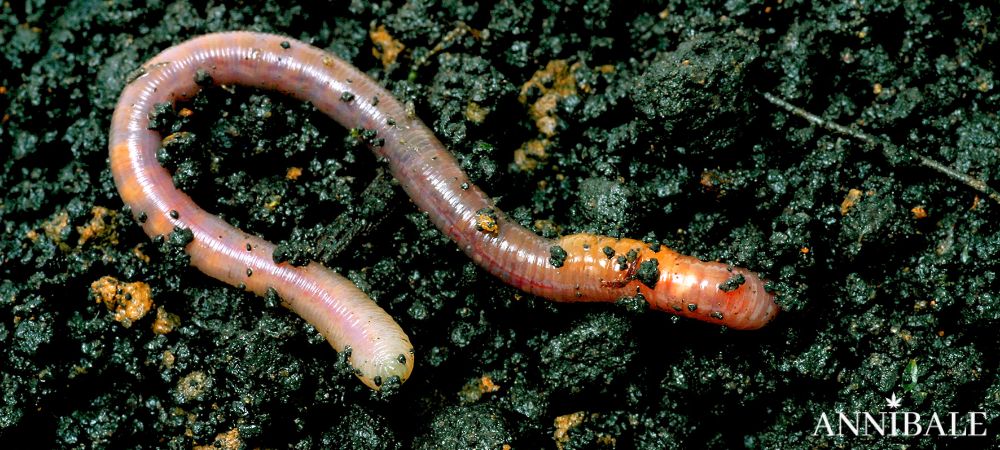
What is Living Soil? The Science of the “Soil Food Web”
To understand Living Soil, we must abandon the idea that soil is just an inert medium into which you pour liquid nutrients.
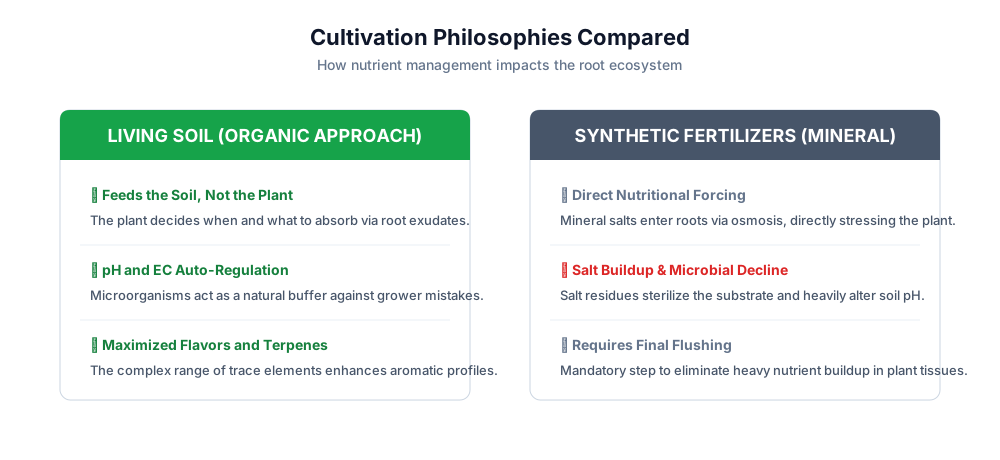
The core principle of Living Soil is: You do not feed the plant; you feed the soil, and the soil feeds the plant.
This biological miracle is based on the concept of the Soil Food Web, theorized by soil biologist Dr. Elaine Ingham. This system operates across several distinct levels:
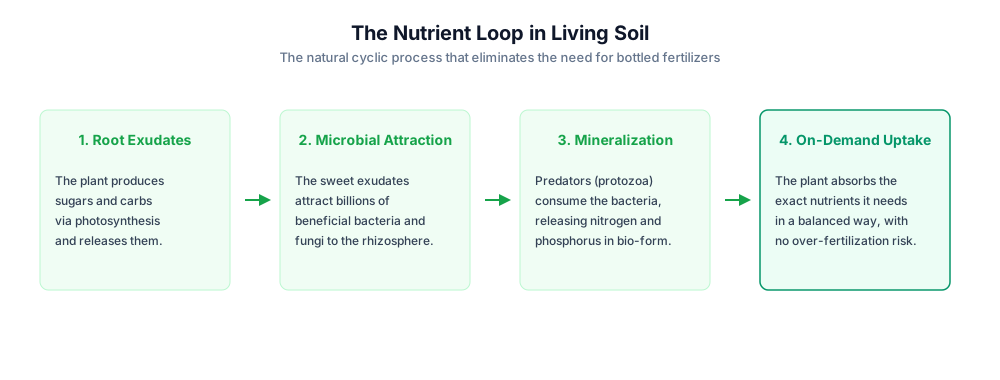
- The Primary Producers (The Plant): Through photosynthesis, the plant produces sugars and carbohydrates. It releases up to 40% of these through its roots in the form of root exudates. These exudates are not waste products; they are literal “job postings” and bait designed to attract the specific microorganisms the plant needs.
- The Decomposers (Bacteria and Fungi): Beneficial bacteria and fungi (including invaluable Mycorrhizae) respond to the call of the exudates and colonize the rhizosphere. They break down rocks, minerals, and complex organic matter present in the soil, immobilizing these nutrients within their own cellular bodies.
- The Predators (Protozoa and Nematodes): These microorganisms feed on the bacteria and fungi. Because protozoa require far less nitrogen and carbon than what is contained in the bacteria they ingest, they excrete the excess as ammonium and other ionic forms that are immediately absorbable by the plant’s roots.
It is a perfectly customized calibration system: the plant asks for what it needs by secreting specific exudates, and the microorganisms deliver bio-available nutrition in real time.
How to Do It: The Recipe and “Cooking” the Substrate
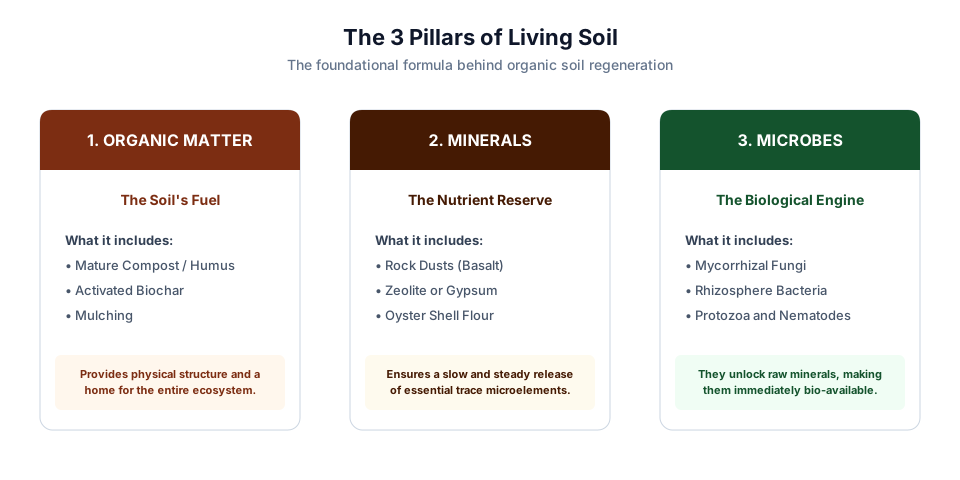
Creating a Living Soil from scratch requires precision when choosing the structural base and the “pantry” of organic amendments that will sustain microbial life throughout the plant’s entire life cycle.
The Rule of the Third (The Structural Base)
A good living soil must retain moisture while simultaneously ensuring impeccable oxygenation to maintain an aerobic environment (beneficial micro-life hates the absence of oxygen). The classic formula requires three equal parts (Ratio 1:1:1):
- 1/3 Sphagnum Peat Moss or Coco Coir: Provides the ideal spongy structure and retains water. Peat moss also introduces beneficial humic acids.
- 1/3 Aeration (Perlite, Pumice, or Rice Hulls): Creates macro-porosity in the soil, preventing compaction and allowing roots to breathe.
- 1/3 Worm Castings (Vermicompost) or High-Quality Compost: This is the biological heart of the mix. It must be fresh, unpasteurized, and ideally smell like a rich forest floor. This is your primary source of microbial inoculum.
The Pantry: Amendments and Slow-Release Nutrients
To the structural base described above, you must add powdered amendments. For every 100 liters of base substrate, a classic profile includes:
- Kelp Meal (Seaweed Powder – 200g): A powerhouse of over 60 micronutrients, cytokinins, and auxins that stimulate cellular development.
- Alfalfa Meal (150g): Provides organic nitrogen and triacontanol, a potent natural growth stimulator.
- Neem Cake / Neem Meal (200g): An excellent source of nitrogen and potassium, but most importantly, it acts as a systemic repellent against root pests.
- Basalt Rock Dust / Silicates (500g): Recharges the soil with trace minerals and silica, which is vital for building thick, sturdy stems that resist thermal stress.
- Bone Meal or Rock Phosphate (200g): Provides a strategic reserve of Calcium and Phosphorus that the plant will draw upon heavily during the flowering phase.
The “Cooking” Process (Cooking Phase)
Once all dry ingredients are thoroughly mixed, the soil cannot be used immediately. It must be moistened with dechlorinated water (until it reaches the consistency of a wrung-out sponge) and left to rest in a breathable container for a period of 2 to 4 weeks.
What actually happens during the cooking phase?
- Bacteria activate and begin digesting the raw organic meals.
- This chemical-biological process is exothermic: the temperature of the soil pile can spike significantly (reaching up to 40–50°C).
- If you planted a root into the medium during this phase, it would burn instantly due to the heat and intense chemical activity.
The soil is ready when its temperature stabilizes back down to ambient room values, and a delicate white web (beneficial fungal hyphae) appears across the surface.
Why It’s Worth It: The Advantages of Living Soil
- Unmatched Terpene Profile: Because the plant has access to an infinite spectrum of micronutrients and naturally chelated minerals, it produces a significantly higher amount of essential oils, flavonoids, and terpenes. The flavor of the final product is the truest genetic expression of the plant (the terroir).
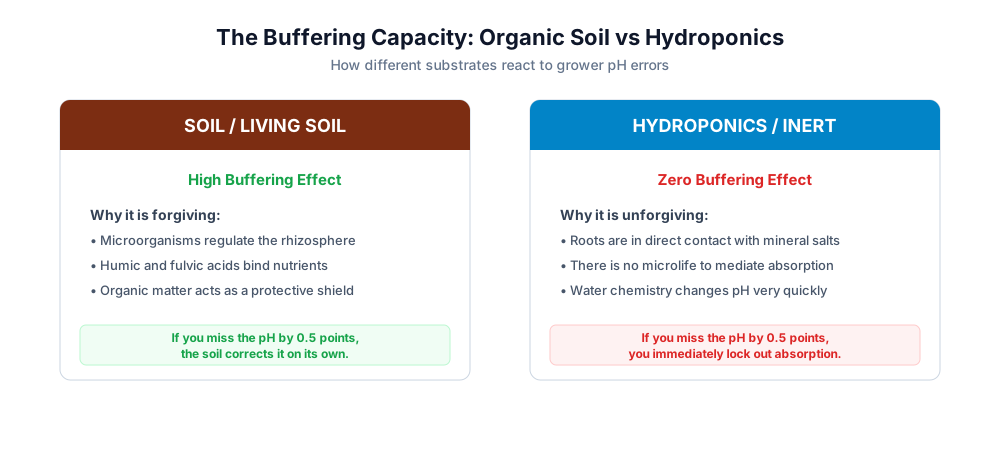
- Goodbye to pH and EC Monitoring: Soil microbiology acts as a natural buffer. Even if you irrigate with water at a pH of 7.5, the microorganisms locally modify the pH around the root zone to absorb the required element. No chemical acids (pH Down) or electronic meters are required.
- Total Sustainability (Zero Waste): At the end of the harvest cycle, the soil is not thrown away. You simply remove the main root ball, re-amend it with a light mix of organic nutrients (Re-amending), and reuse it. A well-managed Living Soil becomes richer and higher-performing after 3 years than it was during its first run.
- Dead Simple Daily Management: For 80% of the plant’s life cycle, you will add nothing but clean, dechlorinated water. No more calculating millimetric fertigation charts every single night.
Why It’s NOT Worth It and Which Growers Should Avoid It
Living Soil is extraordinary, but it is not a magic wand suited for everyone. It presents real, objective challenges:
- Initial Investment and Effort: Purchasing 7 or 8 different types of organic meals, premium peat, and fresh castings carries a significantly higher upfront cost compared to a standard commercial bag of soil and a mid-tier line of bottled nutrients.
- Slow Response to Deficiencies: If you make a mistake in your initial recipe and the plant displays a nitrogen deficiency mid-cycle, you cannot correct it within 24 hours. Organic amendments take days or weeks to be broken down by bacteria and made bio-available.
- Space and Logistics: It requires preparing and storing the medium during its cooking phase—a complex operation if you live in a small downtown apartment.
Who is it strictly NOT recommended for?
- Growers in Small Pots (< 30 Liters): Biology requires critical mass to stabilize. In an 11-liter pot, the organic pantry depletes too quickly and moisture levels fluctuate too fast, decimating micro-life. If you cannot use pots of at least 30–50 liters (or raised beds), Living Soil will only bring you headaches.
- Technological “Control Freaks”: Those who love obsessively monitoring runoff EC, calibrating pH to the second decimal point, and steering the plant via hydroponic mineral inputs will find the Living Soil philosophy incredibly frustrating, as it requires trusting soil biology.
- Those Seeking Maximum Vegetative Growth Speed: Hydroponic mineral systems force nutrition into the plant via osmotic pressure, ensuring explosive vegetative growth rates and industrial speeds. Living Soil respects the biological timeline of the plant; growth is steady and robust, but not artificially accelerated.
Connoisseur Shortcuts: The Integrated Solution by Lurpe Natural Solutions
If the idea of sourcing, weighing, and mixing dozens of different powders sounds daunting, the Spanish company Lurpe Natural Solutions has revolutionized the European market by creating ready-to-use blends based on encyclopedic, high-quality ingredients.
Their simplified Living Soil protocol is structured as follows:
- Earth Lover: The flagship product. This is a concentrated premix containing worm humus, biochar, kelp meal, alfalfa, azomite, volcanic ash, and specific fungal and bacterial inoculants. You simply mix it with peat and perlite in the designated proportions to get a professional-grade Living Soil without buying individual ingredients.
- Tasty Flowers (Top Dressing for Flowering): Formulated specifically for the transition and bloom phases. It contains bat guano, bone meal, organic potassium, and fulvic acids. Instead of being mixed in, it is scratched into the top layer of the pot (Top-Dressing) at the start of flower, allowing irrigation water to slowly wash nutrients downward.
- Healthy Earth: A pure concentrate of mycorrhizae and beneficial bacteria to be used during transplanting to coat the root system directly, ensuring instant colonization.
- Compost Tea Blends (Green Finder / Feeding Earth): Lurpe provides ready-made blends in convenient mesh brewing bags. You simply submerge the bag in a bucket of water with an air pump running for 24–48 hours to brew an organic tea saturated with billions of active microorganisms.
Compost Tea (AACT): The Biological Elixir of Living Soil
Actively Aerated Compost Tea (AACT) is not a simple liquid fertilizer; it is a living, liquid culture of beneficial microorganisms. It is brewed by inoculating a premium biological source (such as worm castings or mature compost) into highly oxygenated water, adding specific “foods” (sugars, meals, or acids) to trigger an exponential reproduction of helpful bacteria, fungi, protozoa, and nematodes.
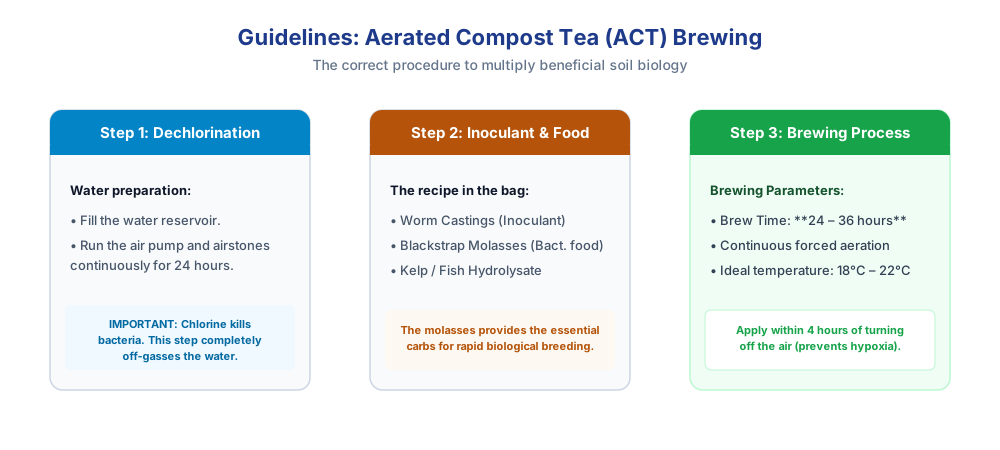
In just 24–36 hours, a single handful of premium substrate transforms into billions of microscopic allies ready to colonize the rhizosphere and phyllosphere of your plants.
Why It’s Worth It
While traditional fertilizers feed the plant directly (often stressing the soil structure), Compost Tea feeds and populates the Soil Food Web. The main benefits include:
- Maximizing Nutrient Cycling: Microbes break down the organic amendments already present in your Living Soil (such as neem cake, rock dust, or kelp), making them instantly bio-available to the roots.
- Passive Immune Protection: By colonizing leaf and root surfaces, beneficial microbes crowd out space and resources from pathogens (competitive exclusion), preventing attacks from molds (Powdery Mildew, Botrytis) and root rot.
- Economic Efficiency: With just a few grams of raw materials, you can treat dozens of liters of medium, regenerating your soil cycle after cycle.
How to Make It (The Base Recipe)
To prepare approximately 10 liters of Compost Tea, you will need:
- Water: 10 liters of strictly bubbled or out-gassed water (completely free of chlorine).
- Inoculum: 200–300 grams of fresh worm castings or high-quality compost placed inside a fine mesh brewing bag.
- Food Source: 15–20 ml of unsulfured blackstrap molasses to kickstart bacterial reproduction. You can add a tablespoon of kelp meal or humic acids if you want to favor the fungal population.
- Oxygenation: A commercial aquarium air pump connected to porous air stones, left running continuously for 24–36 hours. The final liquid should show a thick layer of surface foam and have a pleasant, earthy forest aroma.
5 Tips for a Perfect Tea Brew
- Monitor Water Temperature: The ideal range for microbial extraction and reproduction is between 18°C and 22°C. If it is too cold, reproduction stalls; if it is too hot, dissolved oxygen levels collapse.
- Tailor Foods to Plant Stage: Molasses feeds bacteria (ideal for vegetative growth). If you are in flower and want a fungi-dominant tea, add liquid fish hydrolysate, humic acids, or a tablespoon of micronized oat flour to your filter bag.
- Use Within 4 Hours of Turning Off the Pump: As soon as you cut off the oxygen supply, microbes rapidly consume the remaining dissolved air. Apply the tea immediately before the environment turns anaerobic.
- Clean Equipment Instantly: The second you empty your brewing bucket, scrub the pump, lines, and air stones with water and hydrogen peroxide or alcohol. If the biological biofilm left on the walls is allowed to rot, it will permanently contaminate your next brew.
- Filter Finely for Foliar Spraying: If you intend to use the tea as a leaf spray, strain the liquid through a ultra-fine nylon mesh to prevent clogging your sprayer nozzles.
5 Mistakes to Avoid at All Costs
- Using Untreated Tap Water: The chlorine and chloramines added to municipal drinking water are designed specifically to kill bacteria. If you do not let your water sit out (at least 24 hours exposed to air) or use a dechlorinator, you will wipe out your inoculum before you even begin.
- Overdoing Molasses and Sugars: Thinking “more sugar = more microbes” is a fast track to disaster. Excessive sugars cause an uncontrollable bacterial spike that strips all dissolved oxygen out of the water in a matter of hours, turning your tea into a toxic, anaerobic death trap.
- Ignoring Foul Odors: Healthy Compost Tea must smell like rich soil, yeast, or have a slightly sweet scent. If it smells like rotten eggs, sewage, ammonia, or sour alcohol, it has gone bad. Never use it: you would be pouring billions of harmful anaerobic pathogens onto your crops.
- Under-sizing Your Air Pump: A weak pump or clogged air stones will fail to keep dissolved oxygen levels above the critical threshold of 6 ppm (parts per million). Aeration must be vigorous; the bucket should look like it is literally boiling.
- Applying Tea in Direct Sun or Intense Lights: UV rays are fatal to microorganisms. Always apply Compost Tea to the soil or foliage in the evening at sunset, on overcast days, or indoor right before (or just after) the lights turn off.
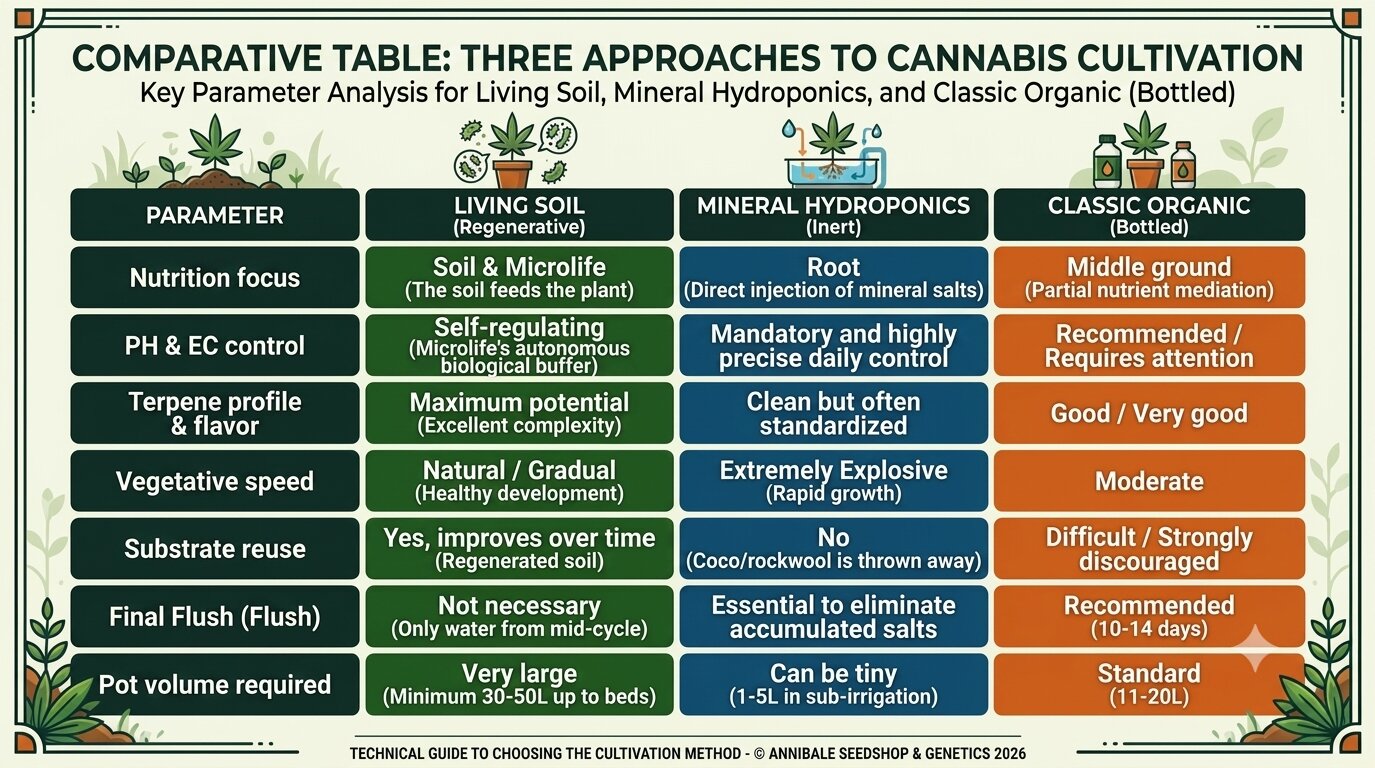
Living Soil vs. Hydroponics vs. Classic Organic
To quickly summarize the core distinctions, evaluate the operational profiles below:
10 FAQs on Living Soil
1. If I don’t perform a final root flush, will the final product be harsh on my throat?
No. Harsh smoke and dark ash are caused by the accumulation of unmetabolized synthetic mineral salts within plant tissues. In Living Soil, the plant only takes up what it actually needs; elements remain bound within the soil biology. During its final days, the plant smoothly consumes its natural internal reserves, ensuring clean white ash and an incredibly smooth smoke without any forced flushing.
2. Can I use tap water directly on my living soil?
Only if you declorinate it. Tap water contains chlorine or chloramines intentionally added to kill bacteria. If you use it straight out of the tap, you will slowly sterilize the micro-life in your container. Let your water rest in an open bucket for 24 hours: the chlorine will safely evaporate as a gas.
3. I noticed tiny white insects jumping around in my soil. Do I need an insecticide?
Absolutely not! In Living Soil, the presence of springtails or predatory mites (like Stratiolaelaps scimitus / Hypoaspis miles) indicates a healthy, functioning ecosystem. If you use a chemical insecticide, you will decimate the entire soil food web. Only intervene (using biological methods like Neem oil or beneficial insects) if you spot actual plant-eating pests on the leaves, such as spider mites or thrips.
4. Does Living Soil attract more pests indoors compared to mineral setups?
In indoor cannabis cultivation, there is a slightly higher risk of encountering fungus gnats (Sciaridae) due to the constant moisture of organic compost and humus. This issue is easily prevented by applying a clean layer of mulch (such as straw, rice hulls, or a breathable fabric cover) across the soil surface to block gnats from accessing the soil to lay eggs.
5. What is mulching and why is it essential?
Mulching involves covering the surface of your soil with straw, bark, or dry leaves. It serves to keep the top layer of your soil dark, moist, and cool. Without mulch, the top 5 cm of your medium would quickly bake and dry out under intense grow lights, killing off the micro-life exactly where your top-dressings are concentrated.
6. Can I use traditional plastic nursery pots?
It is strongly discouraged. Fabric pots (like Smart Pots) allow for natural root air-pruning and continuous lateral oxygenation. This constant airflow is vital for maintaining the highly aerobic environment that beneficial bacteria and fungi require to thrive.
7. What happens if I accidentally irrigate with a synthetic mineral fertilizer?
You will cause what is known as osmotic shock. Mineral salts instantly dehydrate and kill off a large portion of the beneficial bacteria and fungi, breaking down the Soil Food Web. If this happens, you will need to perform an emergency biological rescue using a heavy application of AACT or microbial inoculants like Lurpe’s Healthy Harvest to repopulate the medium.
8. Can I grow Autoflowering plants in Living Soil?
Yes, but your initial recipe should be slightly “lighter” (reducing nitrogen-rich amendments like Alfalfa meal by roughly 30%). Autoflowers have a very brief vegetative stage, and an early excess of nitrogen can stunt their growth or trigger structural dwarfism.
9. How do I know when my cooked soil is ready for planting?
Bury your hand into the center of the soil pile: if it feels warm or hot to the touch, active fermentation is still underway. Once the pile settles back down to the exact temperature of the surrounding room and its smell transitions from sharp/chemical to a clean, damp forest aroma, it is completely ready for transplanting.
10. How do I preserve my Living Soil between harvest cycles?
Never let it dry out completely into a sterile powder. Keep it lightly moist inside a large storage tote or leave it directly inside your fabric pots covered with a tarp. As long as the biology stays hydrated, it will remain active and ready for the next re-amending cycle.
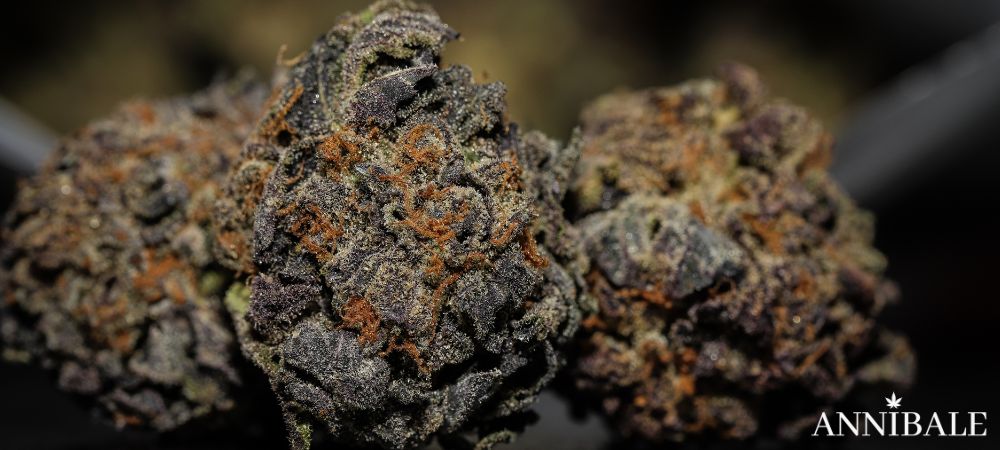
And that wraps up this definitive deep dive into Living Soil for cannabis cultivation. Hopefully, this guide serves you well in optimizing your next organic run. See you at the next garden update!
Best regards,
The Annibale Seedshop Team!
Davide V, CEO, Founder & Geneticist