Purple Haze x Malawi Feminized represents the pinnacle of ACE Seeds’ sativa hybrids, merging the original 1960s Purple Haze clone with the Malawi Killer.
This cross stabilizes a genetic line that expresses maximum heterotic vigor, surpassing pure Haze variants in terms of production and cannabinoid density. The fusion of 1960s ethereal psychedelia and African physical power in an uncompromising sativa hybrid.
Purple Haze x Malawi Feminized in brief
Purple Haze x Malawi Feminized is an F1 hybrid (99% Sativa) that manifests extreme stretch and superior structural resistance to pathogens.
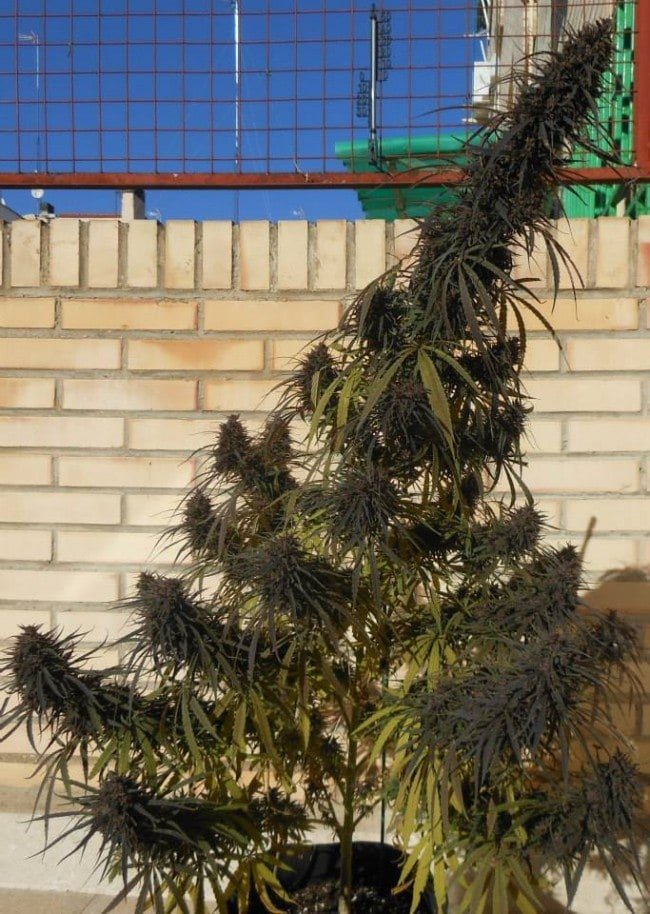
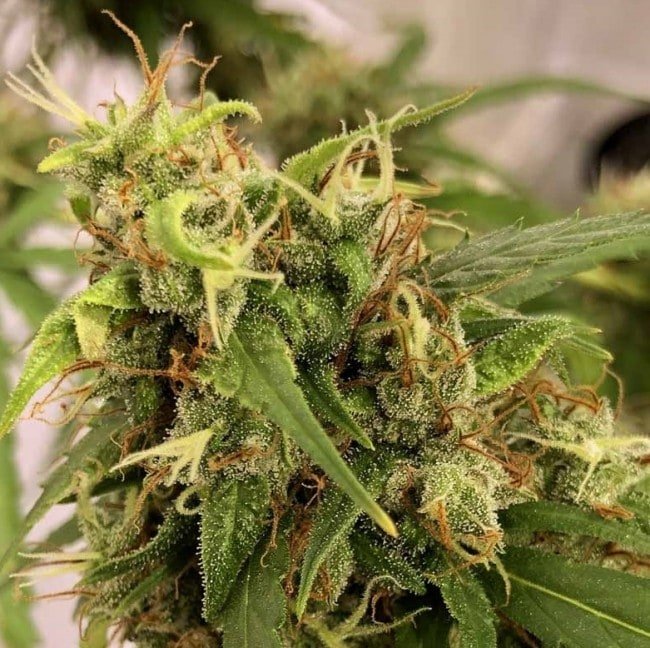
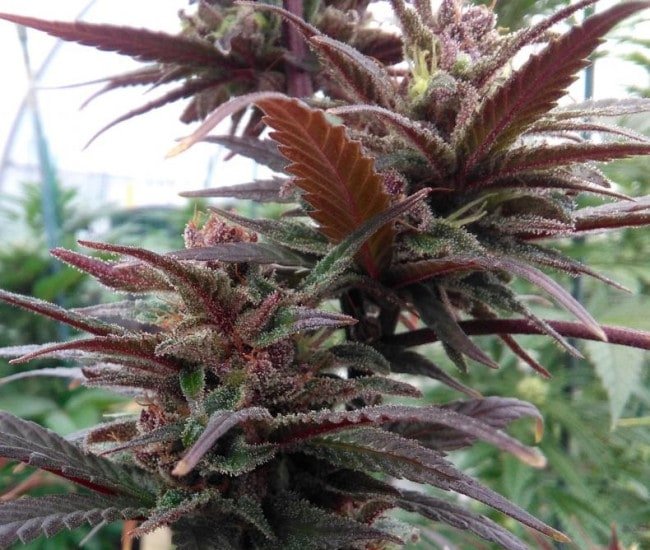
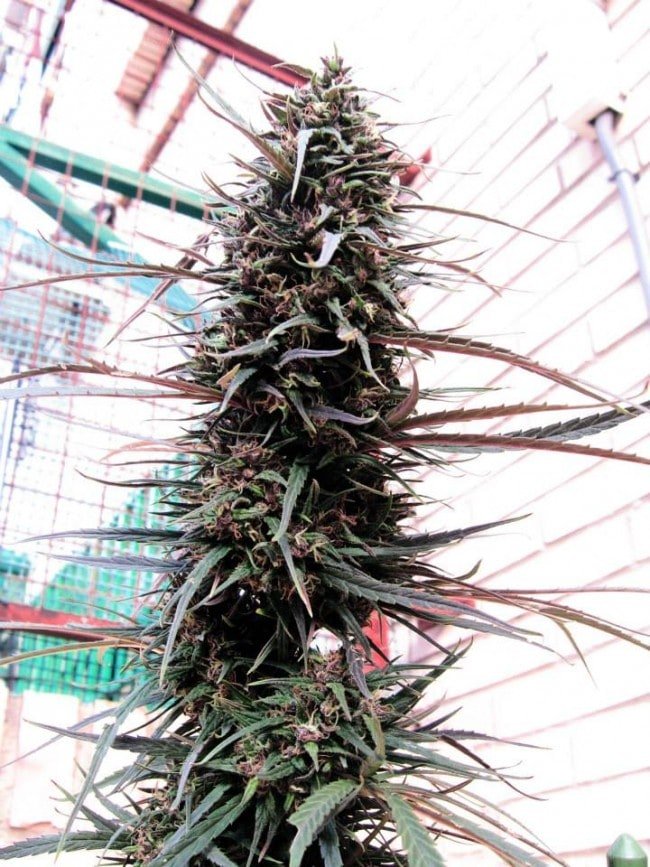
According to data reported by Seedfinder, this genetic expresses dark purple phenotypes in 100% of specimens if exposed to moderate temperatures during flowering. Resin production is massive, with wide calyxes forming extremely long column-shaped buds loaded with glandular trichomes.
Technical Sheet
- Genetics: Purple Haze x Malawi Killer
- Type: 99% Sativa / 1% Indica
- Flowering: 13 – 16 weeks
- Harvest: November / December
- Height: 120 – 160 cm (Indoor), 300 – 400 cm (Outdoor)
- Cannabinoids: 18 – 23% THC, CBD < 0.2%, CBG 0.2 – 0.5%
- Terpenes: Terpinolene, ocimene, beta-myrcene, limonene
- Yield: 400 – 500 g/m² (Indoor), 600 – 900 g/plant (Outdoor)
- Techniques: SCROG, LST, Supercropping
- Extracts: High extraction yield due to Haze resin density
- Effect: Intense psychedelic, long-lasting cerebral, stimulating
Cultivation management and yield parameters
Purple Haze x Malawi by ACE Seeds Genetics requires precise nutrient management: unlike pure Hazes, the Malawi component allows it to tolerate moderately higher EC levels (1.4 – 1.6).
The stretch during the first 4 weeks of flowering is marked, with a growth ratio that can triple or quadruple the plant’s initial volume. It is necessary to intervene early with bending techniques or nets to manage the generous internodal spacing.
Indoor
Indoors, Purple Haze x Malawi by ACE Seeds Genetics expresses its potential under full-spectrum lamps with UVA/UVB integration to stimulate terpene production. VPD must be maintained between 1.2 and 1.5 kPa to avoid transpirational stress in such an expanded canopy.
Using a photoperiod of 11 hours of light and 13 of darkness is recommended from the fifth week to accelerate flower closure and limit height.
Outdoor
Outdoors, Purple Haze x Malawi by ACE Seeds Genetics shows almost absolute botrytis resistance thanks to the airy flower structure.
The plant requires a Mediterranean or tropical climate to complete maturation, which usually occurs in late November or early December. During the final phase, leaf transpiration increases significantly, requiring constant water management to avoid water stress that would compromise bud density.
Terpene profile
The bouquet of Purple Haze x Malawi is dominated by aromas of incense, fermented wood, and oriental spices. Terpinolene and ocimene provide metallic and acidic citrus notes, while the Malawi contributes an aftertaste of hashish and leather.
During a curing process of at least 3 months, these fragrances evolve into a complex balsamic profile, eliminating the chlorophyll residues typical of long-flowering sativas.
Effects of Purple Haze x Malawi Feminized
Purple Haze x Malawi Feminized is perceived by users as one of the most powerful varieties currently available in the seed market.
The effect is traditionally associated with immediate cerebral stimulation, featuring a distortion of time perception and vibrant physical energy. As documented on ICMag, the potency of this genetic is often described as “electric,” devoid of any sedative effect or physical heaviness in the finish.
Technical advantages
Purple Haze x Malawi by ACE Seeds Genetics offers phenotypic stability that is rare for a cross between such distant landraces. The wide internodal spacing facilitates air circulation, making it nearly immune to powdery mildew even in conditions of high relative humidity.
The extraction yield is above the average for pure sativas, producing extracts with a light color and an extremely persistent aromatic profile.
Errors to avoid
The critical error with Purple Haze x Malawi is the use of pots that are too small during the vegetative phase, which triggers early and disorganized flowering.
An excessive supply of nitrogen after the sixth week of flowering can cause “re-vegging” or the development of overly leafy flowers. Finally, harvesting before the 13th week precludes the full development of secondary cannabinoids, limiting the psychedelic depth of the effect.
Who Purple Haze x Malawi Feminized is not recommended for
Purple Haze x Malawi Feminized is not recommended for those with vertical spaces below 160 cm or those growing in areas with early autumns and October frosts.
It is discouraged for novice consumers or those sensitive to anxiety, given the intensity of the cerebral stimulation and the absence of CBD. It is not the ideal choice for those seeking a quick harvest, as it requires technical dedication for over three months of actual flowering.
Purple Haze x Malawi Feminized vs other queens
Purple Haze x Malawi Feminized vs Zamaldelica
While Zamaldelica offers more electric and nervous effects, Purple Haze x Malawi Feminized has an aromatic depth more oriented towards incense. The structure of Purple Haze x Malawi is usually taller and more branched, requiring more aggressive training compared to Zamaldelica.
Purple Haze x Malawi Feminized vs Malawi
Pure Malawi Killer is denser, more narcotic, and physically devastating compared to the Haze hybrid. In contrast, Purple Haze x Malawi Feminized is more manageable for creative activities, offering an euphoria that pure Malawi tends to suppress with its raw power.
Purple Haze x Malawi Feminized vs Oldtimer’s Haze
Oldtimer’s Haze is the ethereal mother with flowering times that can reach 20 weeks and very airy buds. Purple Haze x Malawi shortens maturation times and drastically increases final yield and flower compactness thanks to the vigor of African hybridization.
FAQ
What is the exact flowering time for Purple Haze x Malawi by ACE Seeds Genetics?
Most phenotypes mature between 13 and 15 weeks, but some Haze-dominant specimens can require a full 16 weeks.
How can I control the indoor stretch?
It is recommended to start flowering with small plants and use an 11/13 photoperiod from day one.
Does Purple Haze x Malawi Feminized always turn purple?
Yes, if night temperatures drop slightly below 20°C, the production of anthocyanins colors the entire plant a dark purple.
What is the measured THC value?
Analyzed samples consistently show values between 18% and 23% THC, with higher peaks under optimal growing conditions.
Is it mold resistant?
Purple Haze x Malawi by ACE Seeds Genetics possesses one of the highest botrytis resistances in the entire catalog thanks to its tropical genetics.